AI-assisted note, based on the text and a physical inspection of this copy.
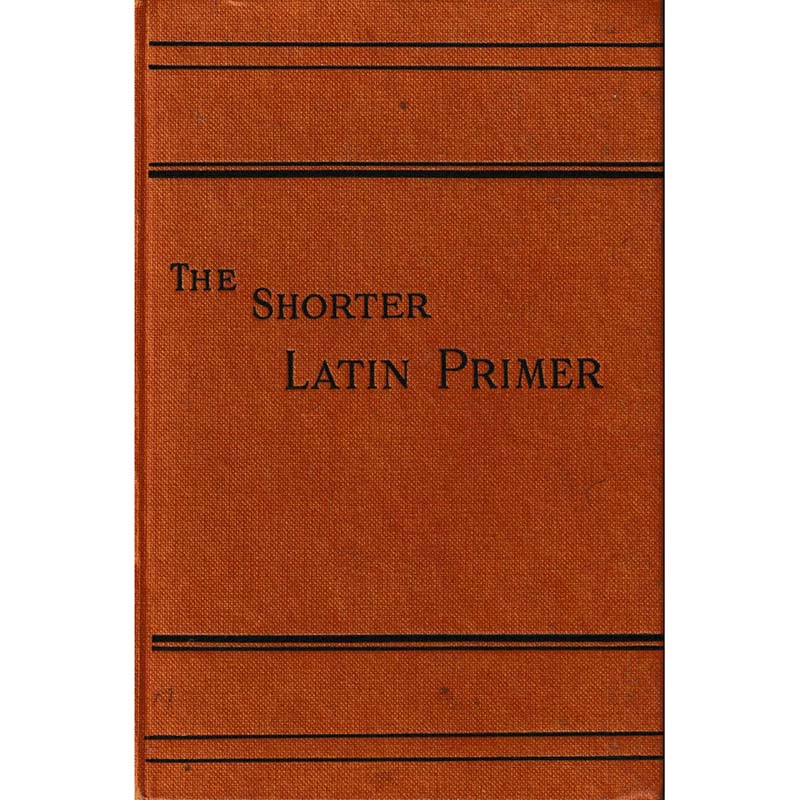
The Shorter Latin Primer by JW Bartram is an intriguing artifact from the educational landscape of the late 1950s. Published by Longmans Green and Co., this book represents an era when Latin was still a staple in academic curricula, particularly in British schools. The cover design, which is typical of the period, features a somewhat austere yet scholarly aesthetic, with its muted colours and straightforward typography. This design choice reflects the book’s intent to serve as a serious pedagogical tool rather than merely a commercial product. The paperback format, common for textbooks of the time, gives it a utilitarian feel, suggesting that it was meant for frequent handling and usage in classrooms or by diligent students.
In examining the author, JW Bartram, it appears that he remains a somewhat obscure figure in the annals of educational publishing. There is limited widely known biographical information available, which suggests that he may not have achieved significant fame outside academic circles. His contributions to Latin education, particularly through this primer, indicate that he likely held a position of respect within the niche of classical language instruction. However, without substantial documentation or a more extensive bibliography, it is challenging to assess his overall impact on literary culture or educational practices.
The year 1958 was a pivotal time in educational reform and cultural shifts in Britain. Following World War II, there was a growing interest in modernising education, yet subjects like Latin were still highly valued for their perceived intellectual rigor and historical significance. The Shorter Latin Primer, published during this transitional period, attempts to distil the essence of Latin learning into a more accessible format. This reflects a broader trend in education towards creating resources that are manageable for both teachers and students, amidst a backdrop of changing attitudes towards classical studies.
The content of The Shorter Latin Primer, while not elaborated here, likely includes essential grammatical rules, vocabulary lists, and perhaps excerpts from classical texts, all designed to facilitate a foundational understanding of Latin. The book’s structure and approach would have resonated with educators who sought to make Latin more approachable for young learners, especially in a time when the subject was often seen as daunting.
In terms of print culture, this book exemplifies the post-war educational ethos that sought to balance tradition with practicality. The use of paperback formats for educational texts became more prevalent during this time, allowing for lower costs and easier distribution. This shift indicates a broader democratization of educational resources, making them available to a wider audience, which could include students from various socio-economic backgrounds.
Interestingly, the cultural milieu of the late 1950s in Britain was also marked by a growing focus on scientific and technical education, as the post-war economy began to pivot towards new industries. Latin, therefore, occupied a curious space, seen as both an essential part of classical education and an anachronism in an increasingly modern world. The Shorter Latin Primer must be viewed not just as a language learning tool, but as a relic of a specific time when the value of classical education was being both questioned and reaffirmed.
In conclusion, The Shorter Latin Primer represents an important cultural object from a transitional period in British education. While JW Bartram remains a largely obscure figure, his work contributes to the understanding of how Latin was taught and perceived during a time of significant change. This book is a reminder of the complexities surrounding educational values and the role of classical languages in a modernising society. For those interested in the peculiarities of educational history and print culture, Crappy Old Books offers a window into such unique works that might otherwise be overlooked.