AI-assisted note, based on the text and a physical inspection of this copy.
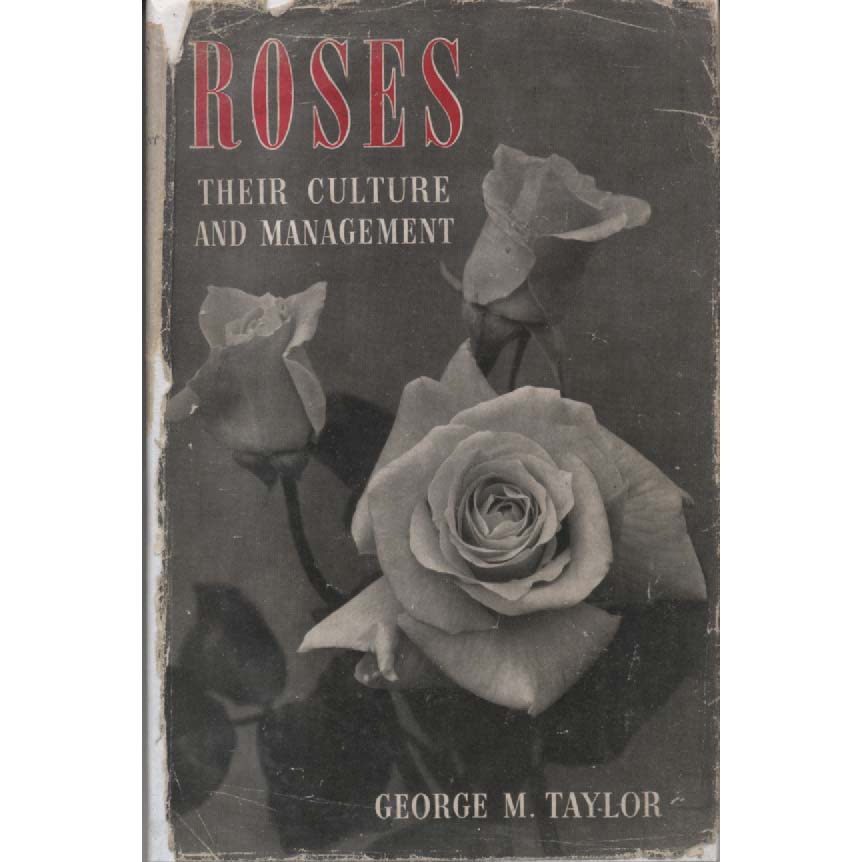
“Roses” by george M Taylor is a curious artefact of mid-20th-century literature, presenting itself as a soft, faded paperback with an unassuming cover design that reflects the aesthetic norms of its time. The cover features a simplistic illustration of roses, rendered in muted colours that hint at a gentle approach to the subject matter within. The typeface is characteristic of the era, with a slightly whimsical font that adds a touch of charm but also suggests a lack of ambition in terms of graphic design. This paperback vibe, common in the post-war period, lends the book an air of accessibility, inviting readers to delve into its pages without the intimidation often associated with hardcovers of the same era.
The physical qualities of “Roses” reveal much about the print culture of the time. Published in 1945 by WH and L Collingridge, a publisher that may not be widely recognised today, the book exemplifies the trend towards mass-market paperbacks that began to flourish after World War II. The paper itself is of a lightweight quality, now yellowed with age, which is typical of books produced in this period. The binding is also indicative of the era, showing signs of wear and age, yet it retains a certain quaintness that adds to its charm. This book, while perhaps not a literary masterpiece, serves as a snapshot of the publishing practices of its time, designed for a reading public eager for new material in the wake of a long and tumultuous war.
Regarding the author, george M Taylor appears to be a somewhat obscure figure within the literary landscape. There is little documented information available about him, which raises questions about his place in publishing history. It seems he did not achieve significant recognition, as there are no notable biographical details readily available, nor is there a comprehensive bibliography to explore his other works. This absence of record suggests that Taylor may have been a localised author, possibly contributing to niche publications or specific genres that did not gain widespread acclaim. His obscurity may lead readers to wonder about the motivations behind his writing, as well as the audience he intended to reach.
The year 1945 holds particular significance in the context of “Roses.” Not only was the world emerging from the shadow of World War II, but the cultural landscape was shifting dramatically. Literature in this period often reflected themes of recovery, hope, and the rebuilding of society. Readers sought solace and escape in books, and this led to a surge in demand for easily accessible reading materials. The post-war period also marked the beginning of a new era in publishing, characterised by a move towards more experimental narratives and a greater diversity of voices. “Roses,” while perhaps not groundbreaking in its content, fits neatly into this cultural milieu, embodying a sense of continuity amidst change.
As for the content of the book itself, it remains elusive in terms of critical acclaim or detailed analysis. It appears to navigate the themes associated with roses—perhaps exploring love, beauty, and the complexities of human emotion through the metaphor of the flower. However, the specifics of the narrative or the depth of characterisation are not widely discussed in contemporary reviews or literary critiques. This further cements Taylor’s position as an author whose work, while not entirely forgotten, has faded into the background of literary discussions.
In conclusion, “Roses” by george M Taylor serves as an intriguing example of a mid-20th-century paperback, offering a glimpse into the publishing practices and cultural sensibilities of its time. The book's design, coupled with its unspectacular literary reputation, makes it a worthy subject of examination for those interested in the nuances of print culture. Its author, though not widely known, contributes to the tapestry of literary history, reminding readers that not all works achieve fame, yet still hold value in their existence. Crappy Old Books is dedicated to highlighting such forgotten gems, ensuring that even the most obscure titles find their place in the annals of literary culture.