AI-assisted note, based on the text and a physical inspection of this copy.
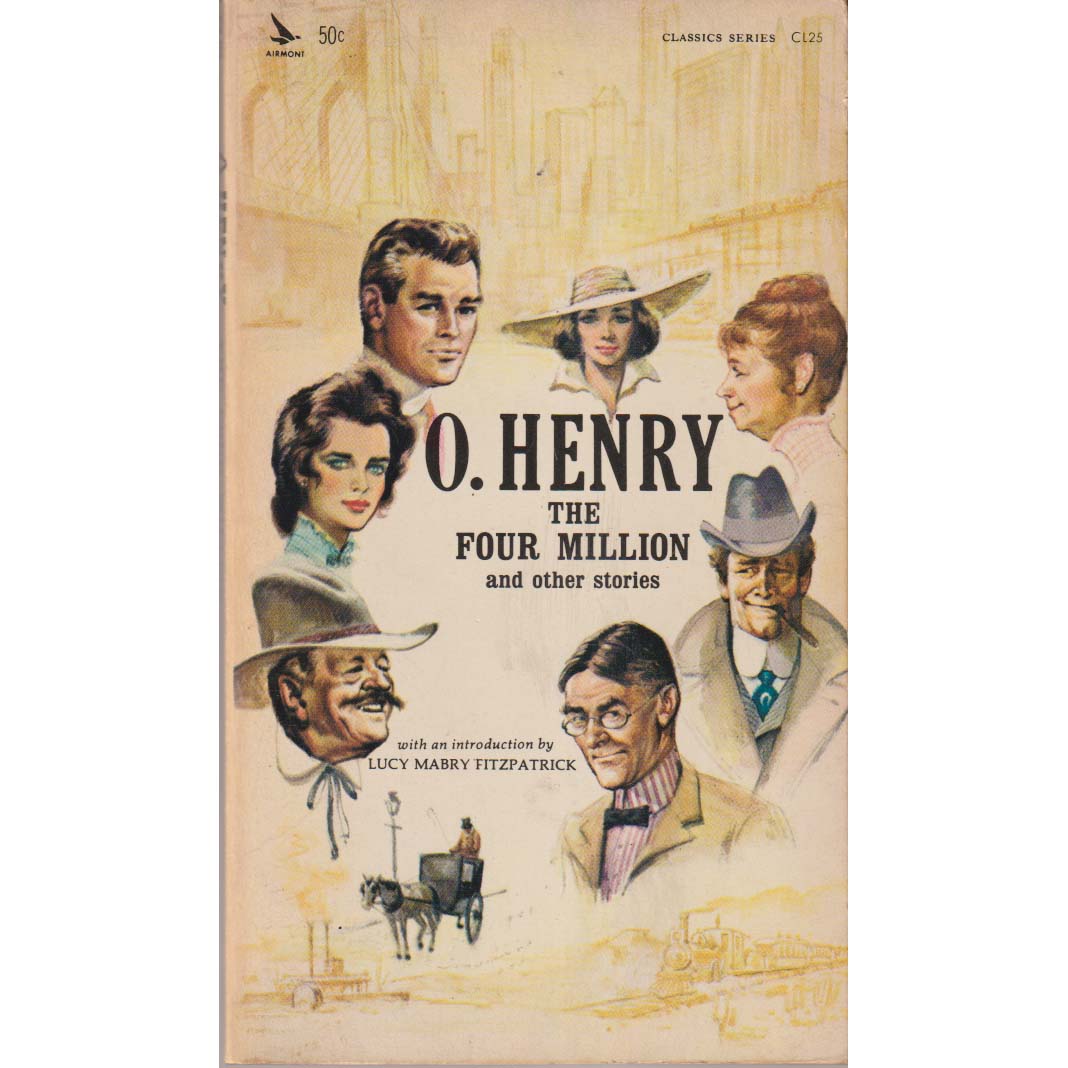
Published in 1963 by Airmont Publishing, "The Four Million and Other Stories" by O. Henry is a collection that attempts to encapsulate the charm of New York City life in the early 20th century. The cover design of this paperback edition, typical of its time, features bold, somewhat garish colours that aim to evoke the vibrancy of urban life. The typeface is reminiscent of mid-century printing trends, giving it a slightly nostalgic feel. The overall aesthetic suggests a book aimed at a young adult audience or casual readers rather than literary connoisseurs, which reflects the era's growing trend towards mass-market publications. Despite its somewhat generic appearance, the collection of short stories remains a testament to O. Henry's keen observations of human nature and the quirks of city dwellers.
O. Henry, born William Sydney Porter, is a figure of American literature whose reputation rests on his distinctive narrative style and twist endings. He is widely regarded as a master of the short story form, often drawing on his experiences in various jobs and his time in New York to create relatable, humorous, and poignant tales. O. Henry's stories frequently explore themes of love, sacrifice, and the unexpected turns of fate, making him a beloved author in both popular and literary circles. He has been celebrated for his unique voice and is often referenced in discussions of early 20th-century American literature. However, his life was marked by personal and financial struggles, which adds an element of intrigue to his legacy. Despite his prominence, details about his influences and literary movements he may have interacted with remain somewhat elusive, suggesting an author whose impact is more significant than the biographical record indicates.
The year 1963 was notable for many reasons. The counterculture movement was beginning to take shape, and young people were increasingly seeking new forms of expression and literature that reflected their changing values. In this context, the reissue of O. Henry's work can be seen as a nod to the enduring appeal of classic storytelling amidst the rising tide of modernism and experimental literature. Airmont Publishing's decision to republish these stories also reflects a broader cultural trend of the time, where there was a push to make classic literature more accessible to the general public. This period also saw a growing interest in nostalgia, making O. Henry’s tales, with their familiar urban settings and moral dilemmas, particularly resonant.
The stories in "The Four Million" are steeped in the everyday lives of New Yorkers, capturing the essence of a city that is both bustling and intimate. O. Henry's wit and humour shine through, even in the face of life's hardships. His characters, often down on their luck, navigate their circumstances with a mix of resilience and irony, highlighting the complexities of human relationships. The stories delve into themes of class disparity, the pursuit of happiness, and the serendipitous nature of life, all while maintaining a light-hearted tone that invites readers to reflect on their own experiences and the world around them. This collection is a reminder of how storytelling can transport us and evoke empathy for others, making it a significant cultural object for both its content and its reflections of societal values during a previous era.
As a work of literature, "The Four Million" serves not only as entertainment but also as a cultural artifact that documents a specific time in American history. The stories are a lens through which we can examine the social mores and aspirations of the early 1900s, providing insight into the lives of ordinary people grappling with their own desires and disappointments. The tales are crafted with O. Henry’s signature style, where the ordinary becomes extraordinary through a twist of fate, reminding readers of the unpredictability of life itself.
In conclusion, O. Henry’s "The Four Million and Other Stories" stands as a testament to the enduring power of narrative and the ability of literature to capture the essence of a time and place. Its publication by Airmont in 1963 situates it within a specific cultural moment, showing how classic literature can be reinterpreted and appreciated across generations. While O. Henry may not have the same contemporary recognition as some of his peers, his work remains vital, offering readers a glimpse into the heart of humanity through the lens of urban life. For those interested in exploring the intersections of culture and literature, this collection is a worthy addition to any bookshelf, and a reminder of the rich tapestry of stories that shape our understanding of the world. Crappy Old Books celebrates such literary treasures, showcasing their relevance and charm even in today's rapidly changing cultural landscape.