AI-assisted note, based on the text and a physical inspection of this copy.
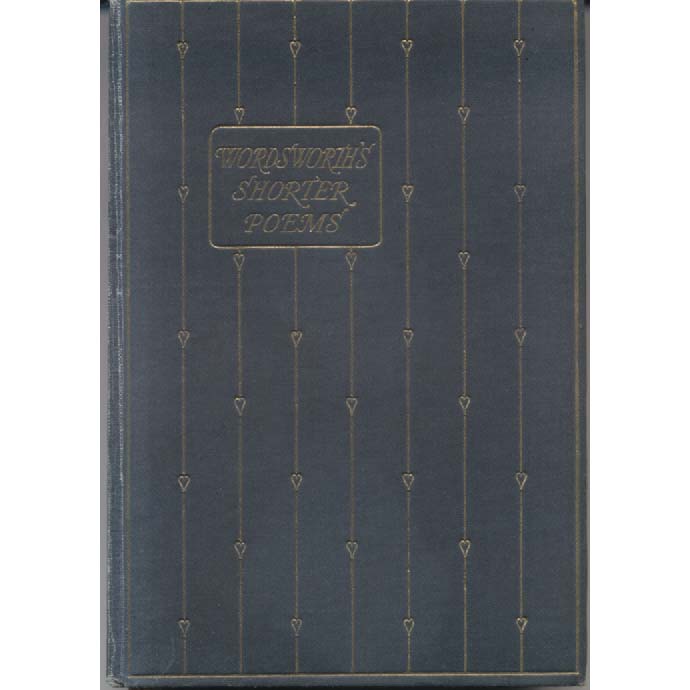
The 1926 edition of "Wordsworth's Shorter Poems," published by Collins, presents a fascinating glimpse into the poetic landscape of early 20th-century England. The cover design is a rather unremarkable affair, featuring muted tones typical of the period, with an illustration that perhaps evokes nature—an essential theme in Wordsworth’s work. This visual presentation reflects a time when book covers were often simplistic yet elegant, aimed at conveying the essence of the literary content within. The paperback format, while practical for the era, lacks the heft and tactile satisfaction of hardbacks, which were more common for literary works, but it makes the book accessible for the average reader. The feel of the pages, slightly yellowed with age, adds a nostalgic touch, reminiscent of a bygone literary tradition, inviting readers to engage with the text in a manner that feels intimate and personal.
William Wordsworth is a towering figure in English literature, known primarily for his role in the Romantic movement alongside contemporaries like Samuel Taylor Coleridge and John Keats. His influence on poetry and nature writing is profound, establishing a precedent for future generations of poets. Born in 1770, Wordsworth’s career spanned several decades, with his most notable works, including "Lyrical Ballads," co-authored with Coleridge, published in 1798. The 1926 publication of "Wordsworth’s Shorter Poems" comes at a time when his legacy was solidified, as modernist writers began to emerge, often reacting against the Romantic ideals he championed. Despite his prominence, there is a sense that some of his lesser-known poems may not receive the same attention as his major works, which might explain the appeal of this anthology—it serves as a reminder of the breadth of his poetic contributions.
The cultural context of 1926 is particularly relevant when considering this edition of Wordsworth's poetry. The post-World War I era was marked by a search for meaning and a deep reflection on human experience. The disillusionment that followed the war led to a burgeoning interest in the natural world and the human condition, themes that resonate deeply within Wordsworth's poetry. This period also witnessed the rise of modernist thought, which sought to break away from traditional structures and explore new literary forms. In this light, Wordsworth's emphasis on the sublime beauty of nature and the emotional depth of human experience provides a counterpoint to the complexities of modern life. The anthology’s publication during this transitional time highlights its relevance, as readers sought solace in the familiar and comforting embrace of nature found in Wordsworth’s verses.
Wordsworth's poetry often reflects a profound engagement with nature, the self, and society, positioning him as a pivotal figure in the Romantic movement. His ability to articulate complex emotions and experiences through simple yet evocative language is a hallmark of his style. This collection showcases a selection of his shorter poems, allowing readers to appreciate the nuances of his craft without the commitment required by longer works. It serves as an accessible entry point for those unfamiliar with his poetry, while also offering seasoned readers a chance to revisit the timeless themes that permeate his oeuvre. The poems included in this anthology vary in tone and subject matter, from the celebratory to the contemplative, illustrating Wordsworth’s versatility as a poet.
While the 1926 edition does not provide extensive biographical details about Wordsworth—most of which are well-documented in literary history—it is important to note that the poet's life and work are often discussed in relation to the Romantic ideals he championed. His connection to nature, the importance of personal experience, and the celebration of the individual voice were revolutionary for his time. However, the anthology itself offers little in the way of critical commentary or contextual information, which might leave modern readers seeking a deeper understanding of the historical backdrop against which Wordsworth wrote. The absence of such commentary does not detract from the poems themselves, but it does highlight a missed opportunity to engage readers more fully with the historical significance of Wordsworth's work.
The book also serves as a reminder of the importance of print culture in the early 20th century. The proliferation of anthologies during this time was indicative of a growing desire for curated literary experiences. Readers were increasingly drawn to collections that distilled larger bodies of work into manageable excerpts, allowing for a more focused engagement with an author’s contributions. "Wordsworth's Shorter Poems" fits neatly into this trend, appealing to the literary tastes of the time and providing a snapshot of the poet's enduring relevance.
In summary, "Wordsworth's Shorter Poems" (1926) is an intriguing cultural artifact that reflects both the enduring legacy of William Wordsworth and the literary trends of its time. Its unassuming cover and paperback format are characteristic of the period, while the collection itself offers a valuable selection of poetry that continues to resonate with readers today. Wordsworth's exploration of nature and human emotion remains timeless, serving as a poignant reminder of the beauty that exists in both the external world and within ourselves. As a piece of literary history, it invites us to reflect on the complexities of existence and the power of language to articulate those experiences. Crappy Old Books presents this volume not merely as a collection of poems but as a cultural object that encapsulates the essence of its time and the enduring nature of poetic expression.