AI-assisted note, based on the text and a physical inspection of this copy.
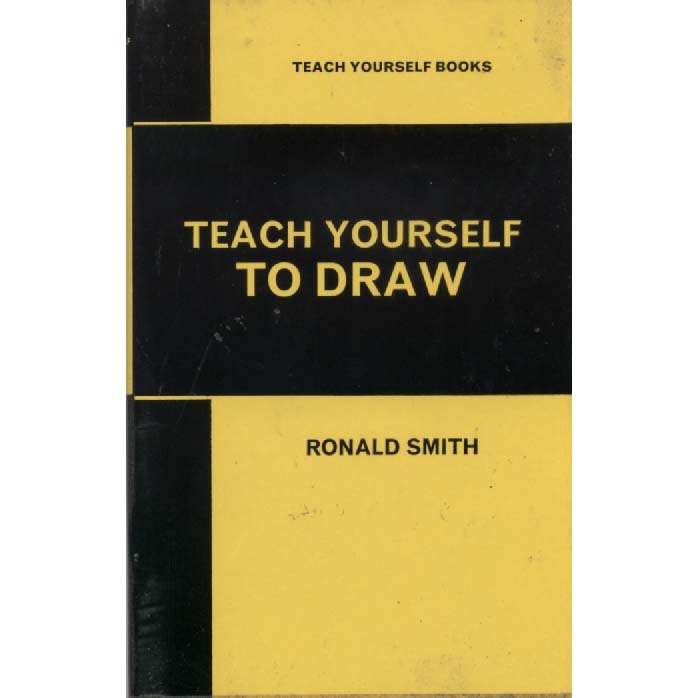
“Teach Yourself To Draw” by Ronald Smith, published in 1966 by The English Universities Press Ltd, stands as a curious artefact of its era, embodying the DIY ethos of the 1960s. The cover design features a striking yet simplistic illustration, with bold typeface that captures the eye while hinting at the instructional nature of the content within. Its paperback format, typical of educational books of the time, adds to its charm, evoking a sense of accessibility and practicality. The faded, somewhat yellowed pages speak to its age, offering a tactile experience reminiscent of a past when the art of drawing was often viewed as an essential skill for personal expression and communication.
Ronald Smith, the author, appears to be a somewhat obscure figure within the landscape of art instruction literature. There is little comprehensive documentation regarding his life or career, which makes it difficult to ascertain his influence or standing in the artistic community. This obscurity may detract from the book's credibility for some readers, as the absence of a well-known biography can lead to questions about the depth of Smith's expertise in teaching drawing techniques. Nonetheless, the text itself demonstrates a clear grasp of the fundamentals of drawing, making it a valuable resource for beginners, regardless of the author's background.
Published during a time when artistic exploration was increasingly encouraged in educational contexts, particularly in Britain, “Teach Yourself To Draw” aligns with the broader cultural movements of the 1960s. This was a decade marked by radical shifts in societal norms, including a heightened appreciation for personal creativity and self-expression. The availability of such instructional books resonated with the public's desire to engage in creative pursuits, encouraging many to pick up a pencil and explore their artistic potential. The book acts as a reflection of the era's spirit, where art was not only a privilege of the elite but an accessible avenue for self-discovery and personal growth.
In terms of content, “Teach Yourself To Draw” covers fundamental drawing techniques in a step-by-step manner that is both engaging and instructive. Smith covers topics such as perspective, composition, and shading, all of which are essential for aspiring artists. The instructional tone is friendly and approachable, ensuring that even those with little to no prior experience can follow along. However, the text sometimes feels dated, with examples and references that may not resonate with contemporary audiences. This highlights the challenge of timelessness in educational books; while the core principles of drawing remain relevant, the surrounding context may require updating to engage a modern readership fully.
The book's structure is straightforward, with chapters dedicated to specific techniques and exercises designed to develop the reader's skills progressively. This methodical approach makes it easy for beginners to grasp the essentials of drawing, although more experienced artists may find the content lacking in depth or innovation. The illustrations accompanying the text, while functional, exhibit a certain simplistic charm that reflects the aesthetic of the time. They serve as visual guides, yet they might not inspire the same excitement as contemporary art education materials that often feature more dynamic and varied examples.
The English Universities Press Ltd, known for producing educational material aimed at a broad audience, played a significant role in disseminating knowledge during this period. Their commitment to making education accessible is evident in the production quality of “Teach Yourself To Draw.” The book, while not a lavishly illustrated volume, is printed on decent paper, and the binding has held up well over time, a testament to the durability of mid-20th century publishing practices. This practical approach to bookmaking reflects a time when educational texts were intended to be used and referenced repeatedly, rather than merely collected as decorative items.
As the 1960s gave way to the following decades, the landscape of art education began to evolve, incorporating more diverse media and contemporary practices. This shift has left books like “Teach Yourself To Draw” at risk of being overshadowed by more modern resources that utilise technology and innovative teaching methods. However, there remains a nostalgic appeal to such texts, as they encapsulate a moment in time when learning to draw was seen as an essential skill for personal development and creative exploration.
In conclusion, “Teach Yourself To Draw” by Ronald Smith serves as both an educational tool and a cultural artefact, reflecting the attitudes towards art and education in the 1960s. While the author may be relatively obscure, the book offers timeless lessons that can still benefit aspiring artists today. Its status as a product of its time, along with its accessible nature, makes it a noteworthy addition to the collection of any art enthusiast. For those interested in the intersection of art, education, and cultural history, Crappy Old Books provides a platform to rediscover such treasures and appreciate their significance in the broader narrative of artistic expression.