AI-assisted note, based on the text and a physical inspection of this copy.
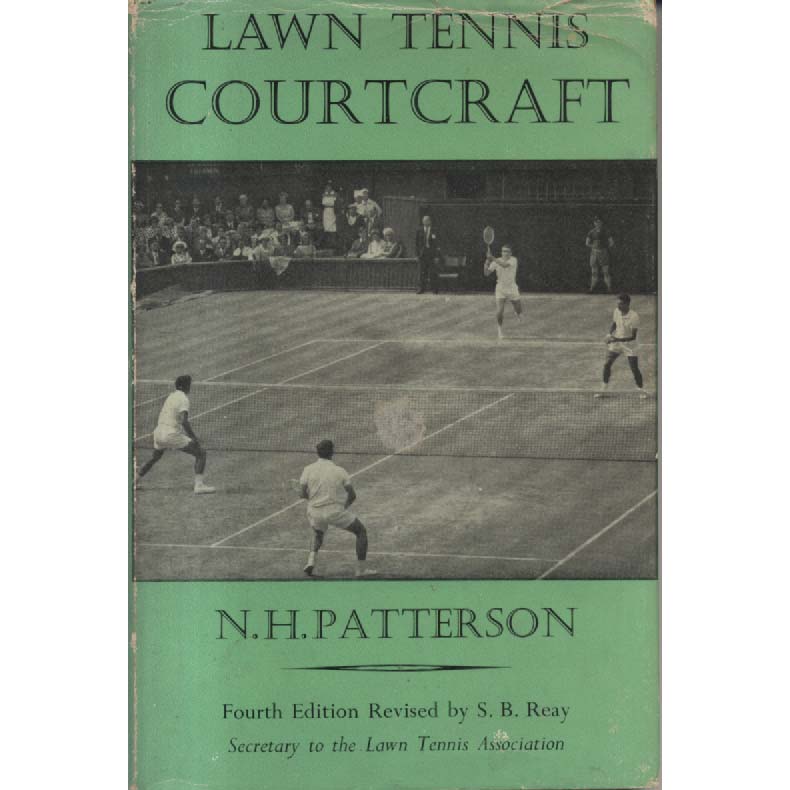
The 1964 publication of Lawn Tennis - Courtcraft by NH Patterson is a fascinating artifact from a time when leisure pursuits were increasingly intertwined with the ideals of sport and social standing. The cover design, typical of the era, features an illustration that evokes a sense of nostalgia, showcasing a well-manicured tennis court framed by lush greenery. The typeface is bold yet understated, typical of many instructional books of the period, indicating a serious yet approachable manual intended for both novices and seasoned players alike. The paperback vibe is unmistakable, with the edges slightly worn and the pages yellowing—a true testament to its age and the many hands that have thumbed through its pages over the years.
As a cultural object, this book captures the essence of a post-war Britain, where lawn tennis was not merely a sport but a symbol of social capital. The manual not only instructs on the technical aspects of the game but also reflects the etiquette and decorum associated with the sport. The emphasis on 'courtcraft' suggests a focus on the subtleties of the game that go beyond mere physical prowess, hinting at a cultural milieu that values both skill and propriety. It’s a window into the rituals and expectations of tennis enthusiasts of the time, making it a noteworthy piece for both sports historians and cultural scholars.
NH Patterson, the author, appears to be a relatively obscure figure within the literary and sporting worlds. There is scant documentation regarding his life or career, which casts a shadow of speculation over his background and expertise. It is unclear whether he was a professional player, a coach, or simply someone with a passion for the game who sought to share his knowledge. This lack of biographical information adds an intriguing layer to the reading experience; one is left to wonder about the motivations and experiences that led him to pen this manual. Given the book's enduring relevance, one might hope that further research could unearth more about Patterson's life and contributions to tennis literature.
The year 1964 was a pivotal time for sport in Britain. The nation was emerging from the post-war years, with a renewed focus on leisure activities as a means of both personal fulfilment and social interaction. The popularity of tennis was on the rise, influenced by figures like Fred Perry and the burgeoning media coverage of international tournaments. This cultural backdrop served as fertile ground for Patterson's work, which sought to educate and elevate the playing experience for enthusiasts. The book's instructions and advice would have resonated with a society eager to embrace new leisure activities, reflecting the growing importance of physical fitness and social engagement.
The advice within Lawn Tennis - Courtcraft is presented in a straightforward manner, with clear instructions that are easy to follow. The book covers essential skills such as serving, volleying, and positioning on the court, while also providing insights into the psychological aspects of the game, which were perhaps less frequently addressed in contemporary manuals. This dual focus on technique and mental acuity demonstrates Patterson's understanding of the sport as a holistic experience. The inclusion of diagrams and illustrations further enhances the instructional content, making it accessible to readers of all skill levels.
Despite its dated language and the occasional awkward phrasing typical of instructional texts from this period, the book remains surprisingly relevant. The principles of good courtcraft—such as footwork, shot selection, and game strategy—are timeless, echoing in the practices of modern players. However, one must consider that some of the terminology and advice may feel antiquated to today's audience, reflecting changes in the sport and its training methods over the decades. The book serves as a poignant reminder of how sports literature has evolved, yet it stands as a historical document that captures the ethos of its time.
In conclusion, Lawn Tennis - Courtcraft by NH Patterson is more than just a manual; it is a cultural snapshot of a bygone era. Its physical presence, with its well-worn pages and classic cover design, invites readers to engage with the heritage of tennis as a sport and social activity. As we delve into its pages, we not only learn about the game itself but also gain insight into the values and aspirations of a society embracing leisure in the 1960s. For those interested in the interplay between sport and culture, this book provides a compelling glimpse into the past. Crappy Old Books is proud to present such a piece of literary and sporting history, inviting readers to explore the intersections of play, propriety, and passion.