AI-assisted note, based on the text and a physical inspection of this copy.
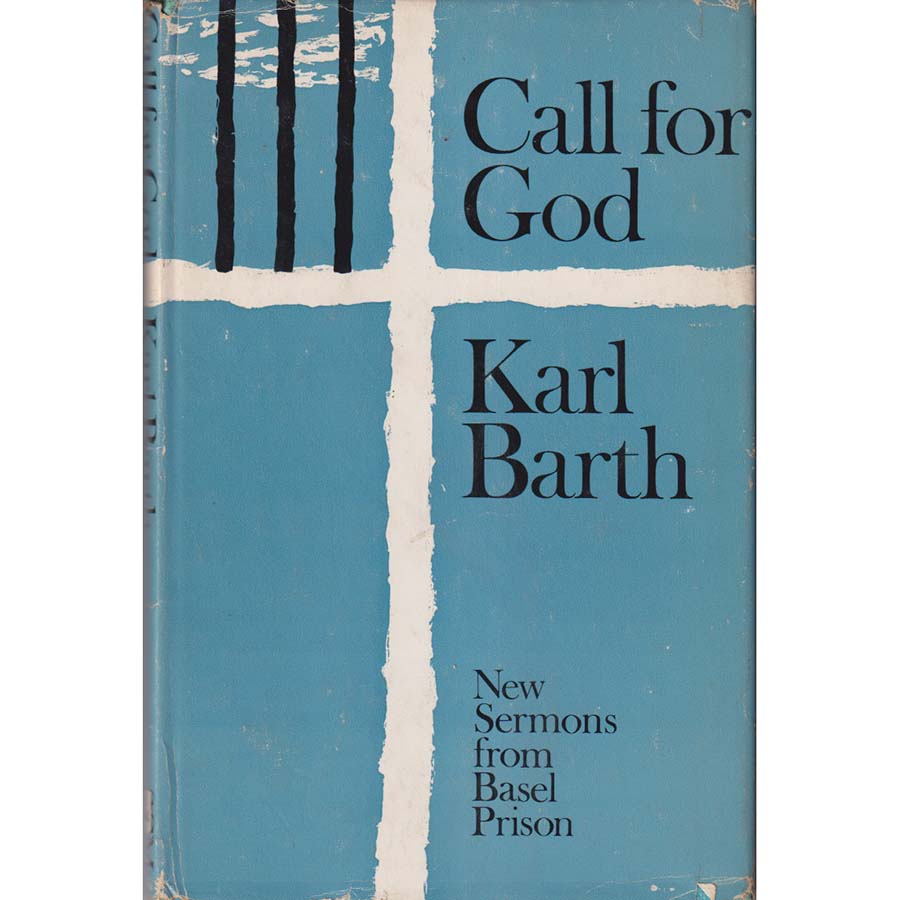
"Call For God" by Karl Barth, published in 1967 by SCM Press, stands as a striking example of mid-20th century theological discourse, encapsulating the era's complexities in both its content and presentation. The book's cover is a somewhat austere affair, featuring a simple yet bold typographic treatment that reflects the seriousness of its subject matter. The use of muted colours and lack of elaborate imagery suggests a focus on intellectual engagement over visual appeal, indicative of the period's preference for substance over style in theological literature. The paperback format adds a certain accessibility, inviting readers from diverse backgrounds to delve into Barth's profound reflections on faith and existence. This 1967 edition, with its durable but unassuming binding, embodies the practical ethos of post-war publishing, prioritising readability and the dissemination of ideas over lavish design.
Karl Barth, a Swiss theologian, is widely regarded as one of the most influential figures in 20th-century Protestant theology. His work is often associated with the dialectical theology movement, which sought to reconcile faith with modern existential questions. Barth's prominence grew particularly after the publication of his "Church Dogmatics," a monumental work that reshaped theological discussions. His engagement with contemporary issues, especially during the tumultuous years of the 20th century, positioned him as a central figure in theological debates that sought to address the crises of modernity. While some aspects of his life remain well-documented, certain details, such as his early influences or personal philosophies, may not be as readily accessible, leaving a few gaps for those wishing to fully grasp the context of his work.
The year 1967 was a significant time in history, marked by social upheaval and a quest for spiritual meaning amidst changing cultural landscapes. The counterculture movement was gaining momentum, challenging established norms and seeking new forms of expression. This backdrop of questioning authority and traditional values likely influenced Barth's writing in "Call For God," as he grappled with the profound implications of faith in a rapidly evolving world. The theological discourse of the time often attempted to bridge the gap between traditional doctrine and contemporary existential concerns, making Barth's reflections particularly resonant. His work responded to these cultural shifts, prompting readers to reconsider their understanding of God in light of personal and societal crises.
"Call For God" engages with profound themes of faith, revelation, and the nature of divine communication, inviting readers to reflect on their own spiritual journeys. Barth's writing is characterised by a rigorous intellectualism, yet it remains accessible, encouraging dialogue rather than dictation. The book's structure, comprising a series of meditative essays, allows for a contemplative reading experience, ideal for those seeking both challenge and comfort in their exploration of faith. The prose, while dense at times, is infused with a passion that captivates, urging readers to engage deeply with the material.
In terms of its cultural significance, "Call For God" serves as a testament to Barth's enduring relevance in theological discussions. The book reflects a time when traditional beliefs were being scrutinised, and new interpretations of spirituality were emerging. Barth's insistence on the necessity of divine revelation in understanding faith challenges readers to confront their assumptions about God and the nature of religious experience. This emphasis on direct communication with the divine speaks to a broader cultural desire for authenticity in spiritual matters, making "Call For God" an essential read for those navigating the complexities of faith in the modern world.
Despite its publication over fifty years ago, the themes explored in "Call For God" remain pertinent today, resonating with contemporary struggles around belief and understanding in an increasingly secular society. Readers may find themselves reflecting on the relevance of Barth’s arguments in light of current events and personal experiences, demonstrating the timelessness of his inquiry into the divine.
In conclusion, "Call For God" stands as an important cultural object within the realm of theological literature. Its publication by SCM Press in 1967 situates it in a pivotal moment of cultural and spiritual questioning, while Barth's formidable intellect offers readers a robust framework for exploring their own beliefs. The book exemplifies the spirit of Crappy Old Books, challenging us to revisit and reflect upon the profound ideas that continue to shape our understanding of faith and existence. Whether you are a seasoned theologian or a curious seeker, Barth's work invites a deeper engagement with the questions that define our spiritual journeys.