AI-assisted note, based on the text and a physical inspection of this copy.
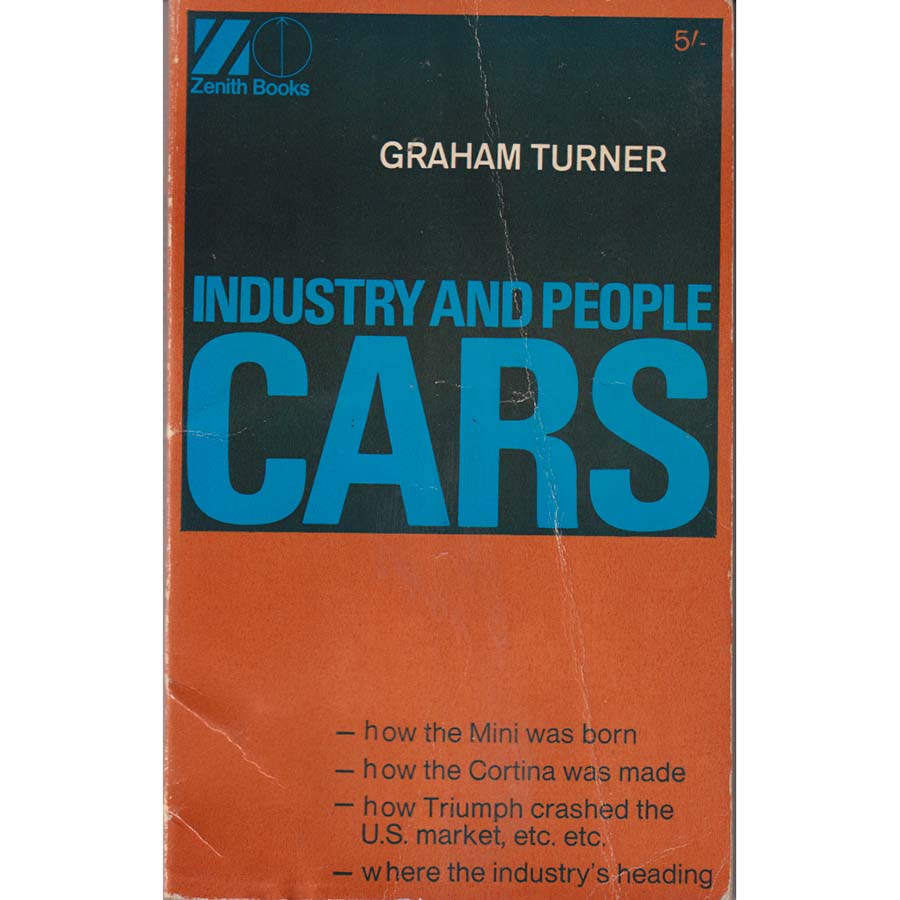
The book Industry and People Cars by Graham Turner is an intriguing artefact of mid-20th century automobile culture, encapsulated within the pages of a paperback that feels both nostalgic and dated. The cover design, with its bold typography and striking imagery of vintage cars, invites the reader to delve into a world that seems to celebrate not just the vehicles themselves, but the people behind their production and use. The aesthetic is quintessentially 1960s, replete with the bright colours and graphic styles popular in that era. The physicality of the book, with its slightly worn edges and the smell of old paper, adds to the charm, making it feel like a relic from a time when cars were not only a means of transport but also a symbol of freedom and modernity.
Graham Turner, the author, appears to be a somewhat obscure figure in the literary landscape. There is little widely known about his biography or career, and he does not seem to have left a significant mark on the publishing industry or literary culture at large. This lack of documentation raises questions about the extent of his contributions to the genre of automotive literature or whether he was primarily a journalist or writer with a fleeting focus on this subject. Speculation aside, it seems that Turner may not have achieved the same level of recognition as his contemporaries in the field, making this book a unique find for enthusiasts of automotive history.
Published in 1965, Industry and People Cars sits at a fascinating juncture in automotive history. The post-war boom had transformed the car from a luxury item into an everyday necessity, and this period was marked by significant technological advancements and shifts in consumer culture. The book reflects the optimism of the 1960s, a decade when the automobile was not just a tool for mobility but also a symbol of status and individuality. The culture of the time embraced the notion of the car as an extension of personal identity, and this text undoubtedly taps into that sentiment. It serves as a snapshot of a rapidly changing society, where the interplay between industry, technology, and everyday life was becoming increasingly intricate.
The book itself is structured to explore the relationship between car manufacturing and the people involved in this massive industry. This dual focus allows for a multifaceted examination of how automobiles shaped, and were shaped by, human experiences in the era. Turner’s prose is straightforward, aiming to inform rather than entertain, which fits well within the educational and informative ethos of the 1960s publishing landscape. The content is likely to appeal to those with a keen interest in automotive history, whether they are industry professionals or casual readers fascinated by the evolution of cars and their societal impact.
Visually, the pages are filled with photographs and illustrations that lend a sense of authenticity and engagement, showcasing a variety of car models and the people who designed and built them. These images serve as a crucial link to the era, offering not just a glimpse of the vehicles themselves but also the culture and attitudes that surrounded them. The inclusion of such visual elements reflects the print culture of the 1960s, where illustrated books were gaining popularity and were seen as an effective means to communicate complex ideas in an accessible way. The tactile experience of flipping through the pages, with their slightly yellowed edges, adds to the overall enjoyment of the book, making it feel as if one is participating in a dialogue with the past.
As a cultural object, Industry and People Cars offers a fascinating look into a specific moment in time, capturing the intersection of technology, industry, and human experience. While the author may not be a household name, the book itself stands as a testament to the 1960s automotive culture, encapsulating the excitement and innovation of the time. It invites readers to reflect on how the automobile has influenced society and continues to do so, even as we navigate the complexities of modern transportation and environmental concerns.
In conclusion, Industry and People Cars is a captivating piece of automotive literature that provides valuable insights into the industry of its time. For collectors and enthusiasts of Crappy Old Books, this volume serves as a delightful reminder of the past, encouraging a deeper understanding of the cultural significance of cars and the people who made them a central part of everyday life.