AI-assisted note, based on the text and a physical inspection of this copy.
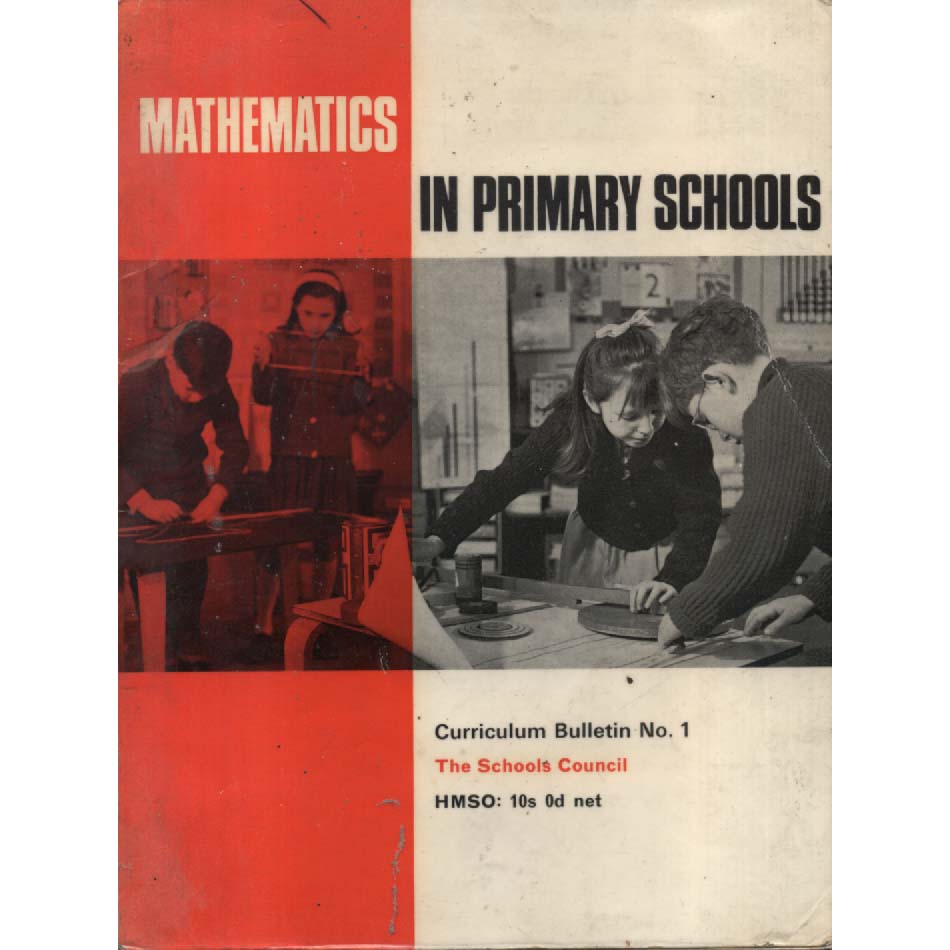
“Mathematics In Primary Schools,” published in 1966 by the HMSO under the auspices of The Schools Council, is a fascinating glimpse into the educational practices of the time. The cover design offers a rather utilitarian aesthetic, typical of the HMSO publications during the mid-20th century. It features a simple, bold typeface that lacks the flamboyance often associated with contemporary educational literature, providing instead an air of seriousness and pragmatism. The overall vibe of the paperback is decidedly functional, reflecting the no-nonsense approach to education prevalent in that era. It is printed on slightly yellowed paper, a testament to its age, which adds a certain nostalgic charm, albeit with the unmistakable scent of old books—an aroma that transports one back to musty classrooms and chalkboards.
The Schools Council, while somewhat obscure in the modern context, was a significant body in British educational reforms during the 1960s. Established in 1964, it aimed to improve educational standards and develop curricula that met the needs of contemporary society. As a collective, it comprised various educators and policymakers who sought to address the pressing issues within educational frameworks. While individual authorship in documents like this may be challenging to pinpoint, The Schools Council's collaborative nature reflects a broader movement towards educational reform that was gaining momentum at the time. The Council's work, including this publication, is indicative of a period where the importance of mathematics education was being increasingly recognised, yet the details of individual contributors remain largely unrecorded.
Published in a transformative decade for British education, “Mathematics In Primary Schools” emerges as a product of its time. The 1960s were marked by various societal changes, including a burgeoning awareness of the need for educational reform to prepare students for a rapidly evolving world. This publication responds to that cultural milieu, advocating for an approach to mathematics that was not only about rote learning but aimed at fostering critical thinking and problem-solving abilities among young learners. The pedagogical strategies discussed within its pages reflect a shift from traditional methodologies towards more progressive, child-centred learning experiences, aligning with the broader educational trends of the era.
The content of the book itself is structured around practical guidance for teachers, offering insights into effective teaching methods, curriculum design, and assessment strategies. It serves both as a resource for educators and as a manifesto for a new approach to mathematics education that emphasises understanding over memorisation. This reflects a significant philosophical shift in education during the time, as the focus moved towards developing a more holistic educational experience for children. The text is densely packed with examples and case studies, which might be daunting for the casual reader, yet it serves as a valuable reference for those deeply involved in educational practice.
In terms of print culture, the publication stands as a mark of its time, illustrating the role that governmental bodies played in educational discourse. The HMSO's involvement underscores the connection between education and policy, indicating a period where the government took an active interest in shaping educational outcomes. This was a time when educational texts were often produced with the intent of ensuring uniformity and standardisation across schools, thus making this document a crucial piece of the puzzle in understanding the evolution of educational practices in the UK.
Reflecting on the significance of “Mathematics In Primary Schools,” it is clear that this book represents more than just a collection of teaching strategies; it encapsulates a critical period in educational history. Its emphasis on mathematics as a foundational skill, crucial for the development of logical reasoning and analytical thought, speaks to the values of an era that was beginning to recognise the importance of equipping children for future challenges. The insights offered within its pages have likely influenced countless educators and students, even as methodologies continue to evolve.
In conclusion, “Mathematics In Primary Schools” serves as a valuable cultural object, embodying a pivotal moment in educational history. The book’s straightforward design and earnest content reflect a time when serious consideration was given to the teaching of mathematics at the primary level. Its connection to The Schools Council situates it within a broader context of educational reform, while its publication by HMSO highlights the intersection of government and education. As we look back on such works, we gain not only an understanding of pedagogical practices but also a sense of the cultural values that shaped them. For those interested in the evolution of educational literature, Crappy Old Books offers a window into such historical treasures, reminding us of the enduring impact that educational philosophies have on generations of learners.