AI-assisted note, based on the text and a physical inspection of this copy.
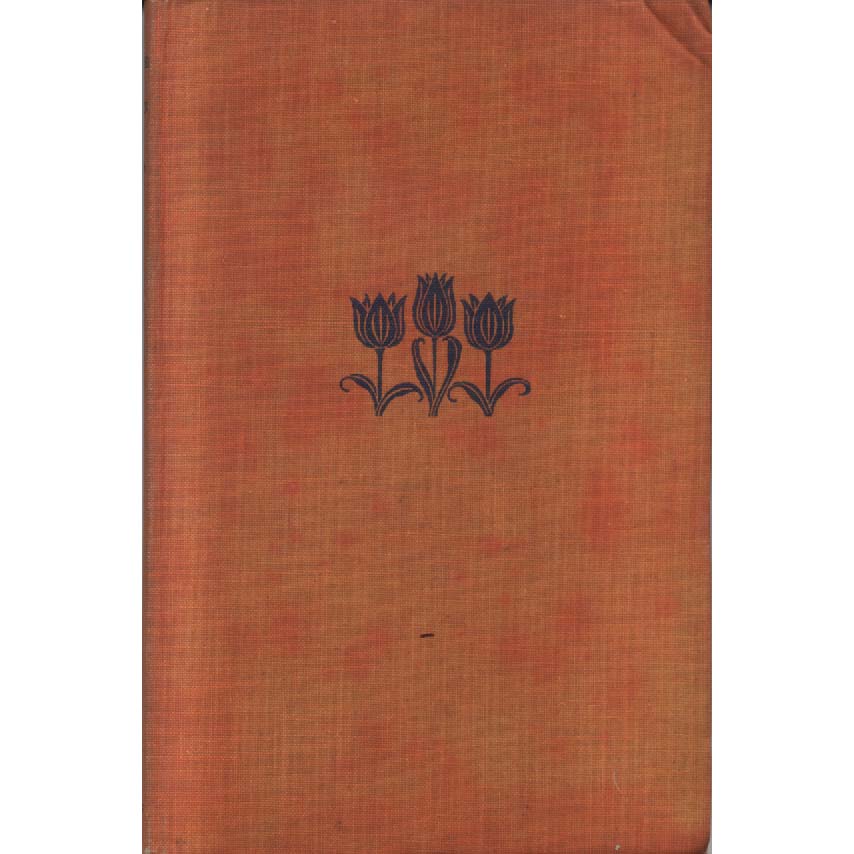
"Holland and Britain" by Charle Wilson, published in 1946 by Collins, offers a unique glimpse into the post-war relationship between these two nations. The cover design, typical of the mid-20th century, features a somewhat utilitarian aesthetic, with a simple yet striking illustration that hints at the historical and cultural explorations contained within. The paperback vibe is palpable, the pages slightly yellowed with age, suggesting a narrative that has traversed time while maintaining its relevance. Wilson’s work seeks to bridge historical gaps, making it an intriguing cultural object that reflects the era's publishing trends, where the focus on international relations became increasingly significant in the aftermath of World War II.
Charle Wilson appears to be a relatively obscure figure in literary history, with limited information available regarding his biography or broader contributions to the literary canon. His work does not seem to have garnered significant acclaim or widespread recognition, placing him in a category of writers whose contributions may have been overshadowed by more prominent contemporaries. The lack of extensive documentation suggests that Wilson may not have had a lasting impact on the literary culture of his time, though his exploration of Anglo-Dutch relations in this work provides an interesting, if niche, perspective.
Published in 1946, "Holland and Britain" emerges from a period marked by profound change and reconstruction following the devastation of World War II. This year was significant; Europe was grappling with the immediate aftermath of conflict, leading to a heightened interest in international diplomacy and the forging of alliances. In this context, Wilson's work reflects a burgeoning desire for understanding and reconciliation between nations, particularly between Britain and the Netherlands. The themes presented in the book resonate with the era's cultural inclination towards rebuilding and fostering unity, as societies sought to establish a new world order based on cooperation rather than conflict.
The book itself delves into various aspects of the historical ties between Holland and Britain, exploring cultural exchanges, trade relations, and the shared experiences that have shaped both nations. Wilson’s prose, while perhaps not dazzling in its literary flair, is methodical and factual, appealing to readers with an interest in history and international relations rather than those seeking a literary masterpiece. The content is dense, filled with historical anecdotes and insights that may fascinate historians or those deeply invested in the subject matter, yet could deter casual readers looking for lighter fare.
In terms of print culture, "Holland and Britain" reflects the conventions of its time, characterised by a straightforward approach to non-fiction that prioritised information over stylistic experimentation. The layout features clear headings and subheadings, making it accessible for readers who may wish to navigate its contents without extensive commitment. However, this clarity can also feel somewhat stark, lacking the engaging narrative style that many readers have come to expect from contemporary historical writing. This book serves as a reminder of the transitional phase of post-war literature, where the emphasis lay heavily on factual recounting rather than narrative artistry.
The influence of the publisher, Collins, known for its commitment to providing quality non-fiction, is evident in the production of this book. Collins had established itself as a reputable name in the publishing industry, particularly in the realms of history and geography, making it a fitting home for Wilson’s exploration of Anglo-Dutch relations. The choice to publish such a work in the immediate post-war era demonstrates a conscious effort to engage readers with the pressing issues of the time, helping to shape public discourse around national identities and their interconnections.
In summary, "Holland and Britain" by Charle Wilson serves as a cultural artefact of its time, embodying the spirit of a post-war Europe eager for understanding and solidarity. While Wilson's obscurity might prevent the book from achieving widespread acclaim, its examination of historical ties provides a valuable perspective on the importance of international relationships. For those interested in the nuances of history and cultural exchange, this work may offer insights worth exploring, though it may not captivate every reader's imagination. Crappy Old Books invites you to consider the layers of history and culture that such works represent, even when they might not shine in the spotlight of literary fame.