AI-assisted note, based on the text and a physical inspection of this copy.
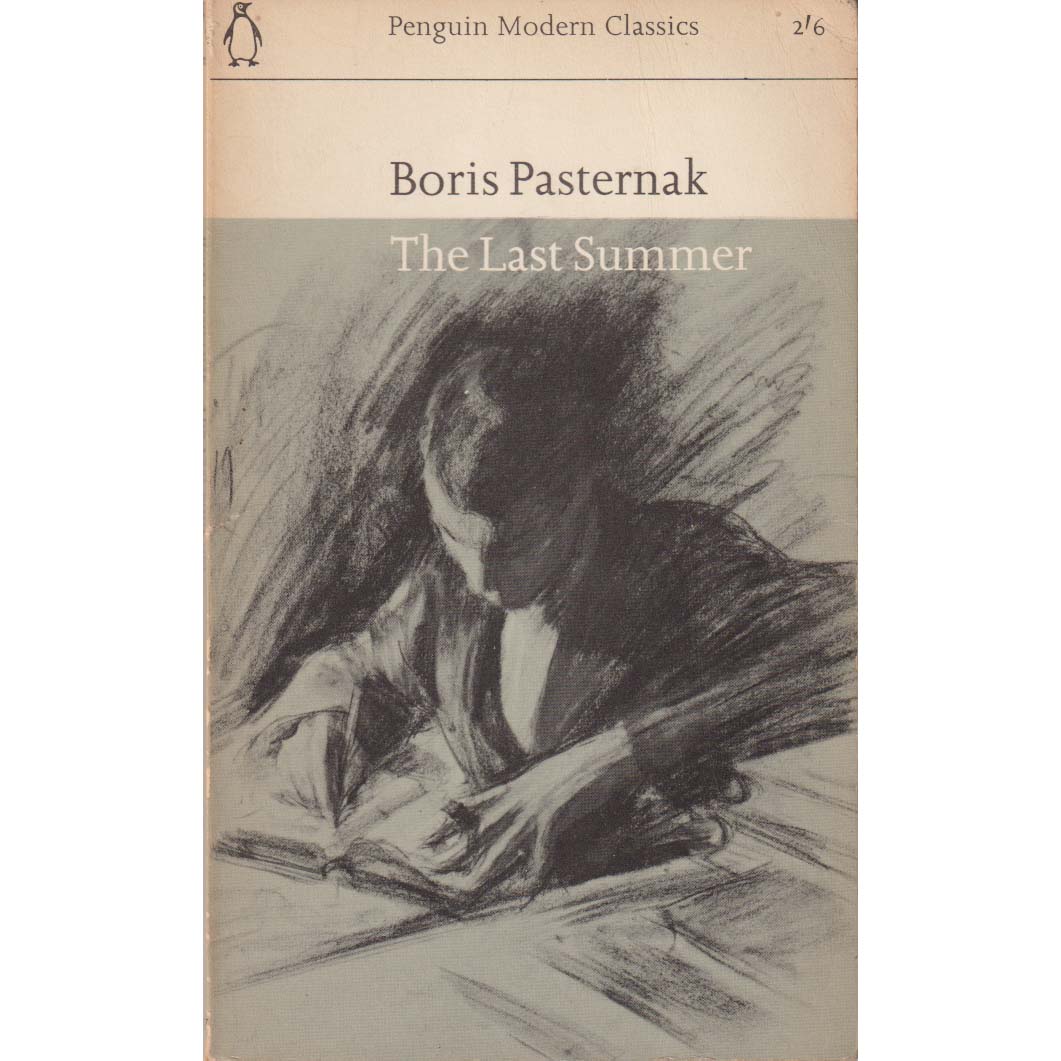
The Last Summer by Boris Pasternak, published in 1965 by Penguin Books, stands as an intriguing cultural artifact from a pivotal time in literary history. The cover design, typical of the mid-60s Penguin aesthetic, features bold typography paired with a minimalist illustration, embodying the era’s penchant for simplicity and clarity. This reflects a broader trend in publishing during the post-war period, where the focus shifted towards accessibility and a more democratic approach to literature. The paperback vibe is palpable, with a soft cover that invites readers to engage with the text in a more casual, intimate manner. It evokes the feeling of a literary salon, where one might discuss the weighty themes of the book over a cup of tea.
Pasternak is best known for his monumental work, Doctor Zhivago, which earned him the Nobel Prize in Literature in 1958—a recognition that was fraught with political tension, leading to a complicated relationship with the Soviet regime. Beyond this fame, his literary contributions often grapple with themes of love, loss, and the human condition, set against the backdrop of a tumultuous Russia. However, The Last Summer remains a lesser-known piece in his oeuvre, and information about the specific details of its creation or reception is somewhat scant. It appears that this work did not achieve the same level of acclaim or notoriety as his more famous titles, leading to speculation that it may have been overshadowed by his earlier triumphs.
The year 1965, when The Last Summer was released, was marked by significant cultural shifts. The world was witnessing the aftermath of World War II, the rise of counterculture movements, and the beginnings of the Cold War's thawing. In literature, there was a notable move towards existential themes, with writers exploring the absurdities of life and the complexities of human relationships more deeply than ever before. This context makes Pasternak's work an interesting lens through which to examine the human experience, particularly in a time when many were questioning traditional values and societal norms. The 1960s were also a period of burgeoning freedom of expression, yet Pasternak's reflections on personal and political struggles remain poignant, echoing the tensions of his own time.
As for the content of The Last Summer, it weaves a narrative rich in emotional depth, exploring themes of nostalgia and the passage of time. The prose is imbued with Pasternak’s characteristic lyrical style, which elevates even the simplest moments into profound reflections on life and existence. The book invites readers to ponder the transient nature of summer, both literally and metaphorically, as a symbol of fleeting happiness and the inevitability of change. This thematic resonance with the struggles of the human experience makes it a fitting companion to the tumultuous backdrop of the 1960s.
The physical quality of the Penguin edition adds to its charm. The pages, slightly yellowed with age, provide a tangible connection to the past, suggesting that this book has been read and cherished by many before. The print quality, while standard for the time, lacks the polish of contemporary publications, adding to its vintage allure. There is something gratifying about holding a book that has a history, a sense of having participated in the continuum of literary culture.
In terms of critical reception, The Last Summer has not been extensively covered in literary circles, which may indicate a certain obscurity for Pasternak’s later works. While his earlier titles have been dissected, analysed, and celebrated, The Last Summer seems to occupy a quieter corner of the literary canon, perhaps due to the overshadowing presence of his more famous works. Its status as a lesser-known title poses an interesting question about how we curate literary legacies and the factors that contribute to a book's lasting impact within the cultural sphere.
The author’s position in the literary landscape is significant but complicated. While Pasternak is a towering figure in Russian literature, his later works like The Last Summer do not share the same level of notoriety as his earlier masterpieces. This might suggest a decline in public interest or, conversely, a shift in the literary trends that favour more experimental narratives. The absence of extensive documentation regarding this specific work further adds to the mystery surrounding it, leaving readers to interpret its significance on their own.
In conclusion, The Last Summer by Boris Pasternak offers a unique glimpse into the author's contemplative mind, framed within the cultural context of the 1960s. Its status as a paperback from Penguin Books enhances its accessibility, inviting readers to explore its themes of love and nostalgia within the human condition. Despite its obscurity compared to Pasternak's more celebrated works, it remains a valuable piece of literature that deserves a place on the shelves of those interested in the complexities of life through a literary lens. For those who relish the exploration of forgotten gems in literature, Crappy Old Books serves as a reminder that even less-celebrated works can hold profound insights into our existence.