AI-assisted note, based on the text and a physical inspection of this copy.
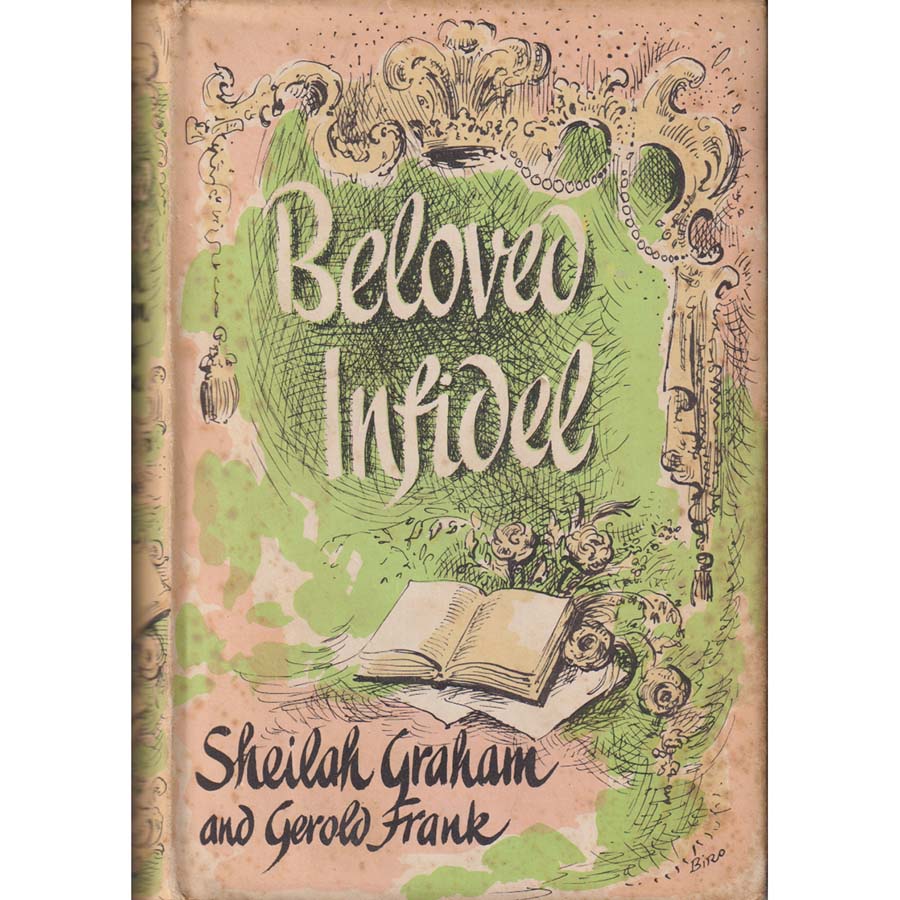
“Beloved Infidel,” co-authored by Sheilah Graham and Gerold Frank, is a curious artefact from the late 1950s that straddles the line between memoir and celebrity biography, presenting a blend of personal narrative and cultural commentary. The cover design, typical of the era, features bold typography and a striking image, encapsulating the glamour associated with Hollywood in a time when stars were both idolised and scrutinised. The paperback format gives it an inviting, yet ephemeral quality that speaks to the post-war publishing boom—where mass-market paperbacks became increasingly popular, allowing readers to access stories of fame and fortune in a more affordable and portable manner.
Sheilah Graham, a prominent figure in the literary and social scene of her time, is perhaps best known for her romantic relationship with the legendary writer F. Scott Fitzgerald, which adds a layer of intrigue to her narrative. While Gerold Frank's biography is less celebrated, he is known for his work encompassing various subjects, including his contributions to literary journalism. Together, they weave a tale that reflects their experiences in an era marked by glamour, heartbreak, and a profound sense of longing. Graham's status as a socialite and writer places her at the intersection of celebrity culture and literary history, making her somewhat of a transitional figure in the landscape of 20th-century American literature.
Published in 1959, “Beloved Infidel” emerges from a cultural milieu rife with contradictions. The late 1950s were a time of burgeoning consumerism and a quest for the American Dream, yet they were also marked by the undercurrents of disillusionment following the Second World War. This book reflects both the allure of Hollywood and the personal struggles that accompany a life in the public eye. The post-war cultural zeitgeist, with its fascination for celebrity and the mythos surrounding figures like Graham and Fitzgerald, provides a rich backdrop against which this memoir unfolds. It captures the essence of a society fascinated by glamour yet grappling with its own realities, highlighting the tension between public persona and private despair.
The narrative itself offers a glimpse into the complexities of Graham's life, particularly her tumultuous relationship with Fitzgerald, who, despite his literary genius, battled personal demons that often overshadowed his achievements. The collaboration with Gerold Frank adds an element of structure and polish to the memoir, although it also raises questions about authorship and authenticity in celebrity narratives. Are we receiving Graham’s true voice, or is it filtered through Frank’s interpretations? This ambiguity is a hallmark of the celebrity memoir genre, inviting readers to ponder the nature of truth within the context of public personas.
As a cultural object, “Beloved Infidel” serves not only as a memoir but also as a reflection of the era’s attitudes towards fame and relationships. The book's language and style evoke a sense of nostalgia for a time when the written word was a primary means of storytelling, especially concerning the lives of the rich and famous. The tone oscillates between wistful reminiscence and stark realism, mirroring the complexities of Graham’s own experiences. Readers are taken on a journey through the highs and lows of a life intertwined with one of literature's most enigmatic figures, all against the backdrop of a society grappling with the notion of celebrity.
In terms of reception, “Beloved Infidel” offers insights into the public’s appetite for scandal and the intimate details of celebrities’ lives. The book's popularity can be attributed to the fascination with Fitzgerald and the allure of Graham's narrative as she navigates her identity in relation to his legacy. It reflects a time when memoirs were gaining traction as a literary form, providing readers with a window into the lives of those they admired or envied. The phenomenon of celebrity culture was beginning to burgeon, and this book captures the spirit of that transitional phase.
The authorship of “Beloved Infidel” is an interesting aspect to consider, particularly in light of Sheilah Graham’s relatively obscure status compared to contemporaries. While she had her moments in the limelight, her contributions to literature and culture have not garnered the same enduring recognition as those of her male counterparts. Gerold Frank’s role as co-author raises questions about the dynamics of collaboration in autobiographical writing, especially concerning gender and authorship. Together, they create a text that reflects the complexities of navigating fame and identity, though the nuances of Graham’s voice may be lost in the collaborative effort.
In conclusion, “Beloved Infidel” stands as a testament to the complexities of celebrity culture in the late 1950s, offering readers a glimpse into the life of a woman entwined with the literary great F. Scott Fitzgerald. Through its vivid portrayal of love, loss, and the longing for acceptance, the book encapsulates the era's fascination with fame and fortune. It serves as a reminder of the ephemeral nature of celebrity and the personal struggles that often lie beneath the glittering surface. As a cultural object, it is a valuable piece of the puzzle that comprises the literary and social landscape of its time—a worthy addition to the collection of any enthusiast of Crappy Old Books.