AI-assisted note, based on the text and a physical inspection of this copy.
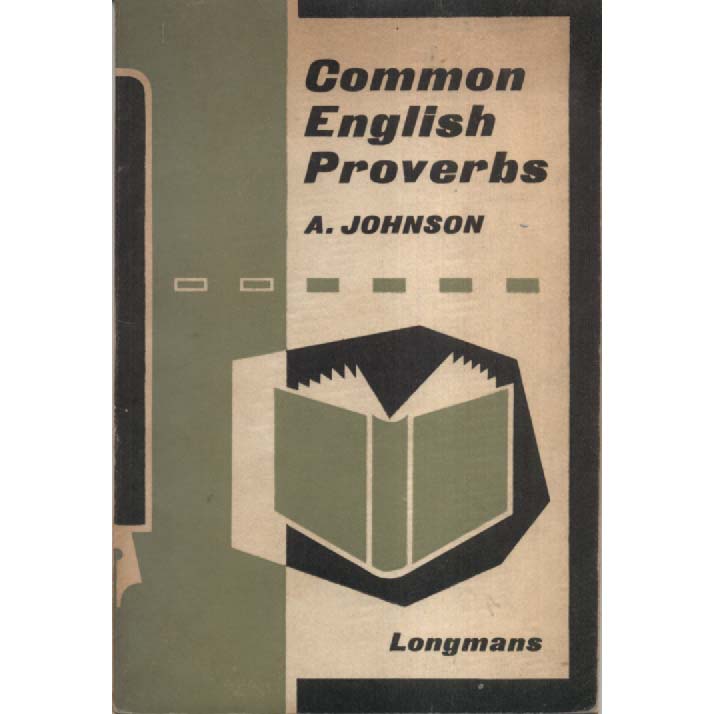
“Common English Proverbs” by A Johnson, published in 1954 by Longmans, presents itself as a curious artifact from an era steeped in a cultural milieu of post-war optimism and a burgeoning interest in common wisdom. This paperback, with its unassuming cover design featuring simple typography and muted colours, invites the reader into a world where proverbs serve as the shorthand of societal values and collective experience. The book's aesthetic is reminiscent of mid-20th-century educational texts, suggesting a desire to impart knowledge in a straightforward and accessible manner. The tactile nature of the paperback, coupled with the slightly yellowed pages, evokes a sense of nostalgia, as if the reader is holding a piece of the past that has been gently thumbed through by generations seeking wisdom in brevity.
The book itself is structured around a compilation of proverbs, those time-honoured phrases that encapsulate common truths or observations about life. Each entry is a window into the beliefs and values of its time, offering insights into the moral fabric of society. The proverbs presented in this collection range from the well-known to the obscure, reflecting a broad spectrum of human experience. While some may elicit a knowing smile or nod of agreement, others might seem quaint or even puzzling to modern readers. This juxtaposition of timeless wisdom against the backdrop of contemporary life serves to highlight the evolving nature of language and culture.
A Johnson, the author, remains a somewhat obscure figure within the literary landscape. There is little documented about their life or other works, which raises questions about their standing in the world of publishing and literature. The lack of substantial biographical information makes it difficult to assess their significance or influence. However, the choice to compile and present proverbs suggests a keen interest in linguistic heritage and cultural transmission, both of which are essential to understanding the role of language in shaping societal norms. This obscurity can render the book more intriguing, as it invites speculation about the author's motivations and the context in which they were working.
Published in 1954, the book emerges from a period marked by significant social change. The post-war landscape of England was characterised by a mix of nostalgia for the past and a hopeful gaze towards the future. In this context, proverbs served as cultural touchstones, providing comfort and continuity amid the uncertainties of modernity. The 1950s were also a time when English language education was undergoing transformation, with an increased emphasis on teaching the language to a wider audience. This collection can be seen as part of that educational trend, aiming to equip readers with a repository of wisdom that could be employed in everyday conversation, enhancing one’s linguistic fluency and cultural literacy.
The design and physical characteristics of the book also bear significance. The cover, while not particularly eye-catching, is emblematic of the era’s utilitarian approach to educational literature. It lacks the flamboyance of modern self-help or motivational books and instead prioritises function over form. This reflects the cultural ethos of the time, which often valued practicality and straightforwardness over aesthetic embellishment. The presence of proverbs within a paperback format suggests an intent to make this knowledge readily accessible, a nod to the increasing literacy rates and the democratization of education in post-war Britain.
As with many cultural objects from the past, “Common English Proverbs” invites a reconsideration of its relevance today. In an age dominated by digital communication and rapid information exchange, the succinct wisdom of proverbs may feel both archaic and refreshing. They serve as reminders of the enduring human experience, encapsulating lessons that have persisted through time. The phrases contained within can often resonate with readers even in contemporary contexts, illustrating the timelessness of certain truths. Yet, they also prompt reflection on how language evolves and how the meanings of these proverbs may shift as society progresses.
In conclusion, A Johnson's “Common English Proverbs” stands as a testament to the cultural and educational values of the 1950s. It encapsulates a moment in time when proverbs were viewed as not only linguistic artefacts but also as essential components of social wisdom. The book, while perhaps lacking in the richness of the author’s biography, offers a valuable glimpse into the collective consciousness of an era. Whether one approaches it as a study of language, a source of wisdom, or a nostalgic artifact, it undeniably contributes to the broader tapestry of cultural literature. Crappy Old Books embraces such treasures, reminding us of the layers of meaning and history embedded within the pages of even the most unassuming volumes.