AI-assisted note, based on the text and a physical inspection of this copy.
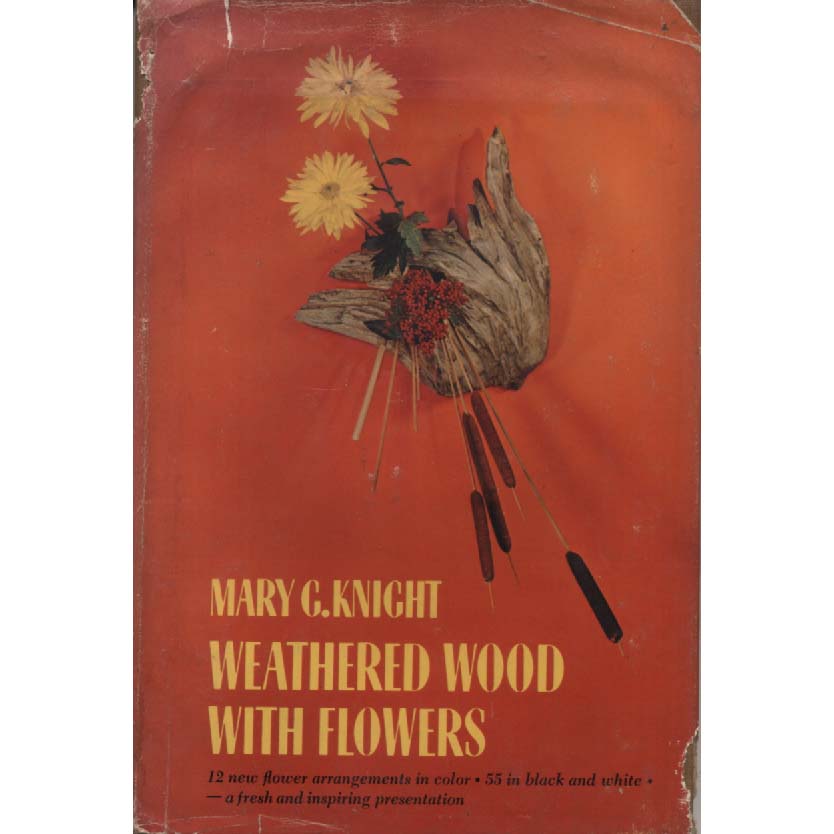
“Weathered Wood With Flowers” by Mary G Knight, published in 1968 by William Morrow, presents itself as an intriguing cultural artefact from a bygone era. The cover design, a curious blend of rustic charm and floral aesthetics, immediately transports one to a time when nature-inspired motifs were all the rage. The cover features a weathered wooden backdrop, presumably symbolic of resilience and nostalgia, adorned with vibrant flowers that seem to burst forth from the page, evoking a sense of life amidst decay.
The choice of a paperback format adds to its vintage appeal, capturing the essence of mid-20th century print culture. There’s something undeniably comforting about the feel of a worn paperback in one’s hands, reminiscent of a time when books were treasured companions rather than mere digital files. The yellowing pages and the slightly frayed edges of this particular copy suggest it has been cherished—or perhaps even forgotten—on a shelf, waiting for the right reader to rediscover it.
Examining the typography, the title is emblazoned across the top in a playful serif font that suggests a casual yet thoughtful tone. It gives an impression of being both approachable and slightly whimsical, inviting readers to delve into the world within. The cover art seems to reflect a disconnect between the natural and the manufactured, as the flowers appear almost too perfect against the aged wood. This juxtaposition might reflect broader cultural themes of the 1960s, where a growing awareness of environmental issues began to emerge alongside a desire for simplicity and authenticity.
One might speculate that the book's themes could resonate with the countercultural movements of the time, perhaps touching on notions of peace, love, and a return to nature. The 1960s were rife with a longing for connection to the earth, and the imagery of weathered wood paired with flowers might serve as a metaphor for human experiences—enduring yet ever-changing. The cover may have been designed to appeal to an audience seeking solace from the complexities of modern life, suggesting a narrative steeped in introspection and personal growth.
The paper stock itself, a shade of cream that has aged gracefully, adds to the overall tactile experience. It invites the reader to linger longer, flipping through the pages and inhaling the faint scent of ink and paper that is increasingly rare in today’s digital world. The imperfections in the binding—a slight looseness that allows the pages to splay open comfortably—can be seen as a reflection of the book’s journey through time. This physicality enhances the reading experience, encouraging one to engage more deeply with the text.
As one considers the era of its publication, it is essential to reflect on the role of books in shaping cultural identity. The late 1960s were a time of significant social upheaval and transformation, and a book like “Weathered Wood With Flowers” could have served as both an escape and a mirror to societal changes. It may have offered readers a moment of respite, a fleeting encounter with nature’s beauty during a tumultuous period.
In conclusion, “Weathered Wood With Flowers” is more than just a book; it is a cultural object that encapsulates the spirit of its time. From its inviting cover design to the tactile experience it offers, this 1968 publication by William Morrow stands as a testament to a particular moment in literary history. It’s a reminder of the value of Crappy Old Books and the stories they carry within their pages and the memories they evoke, making them worthy of exploration and appreciation in our fast-paced, digital age.