AI-assisted note, based on the text and a physical inspection of this copy.
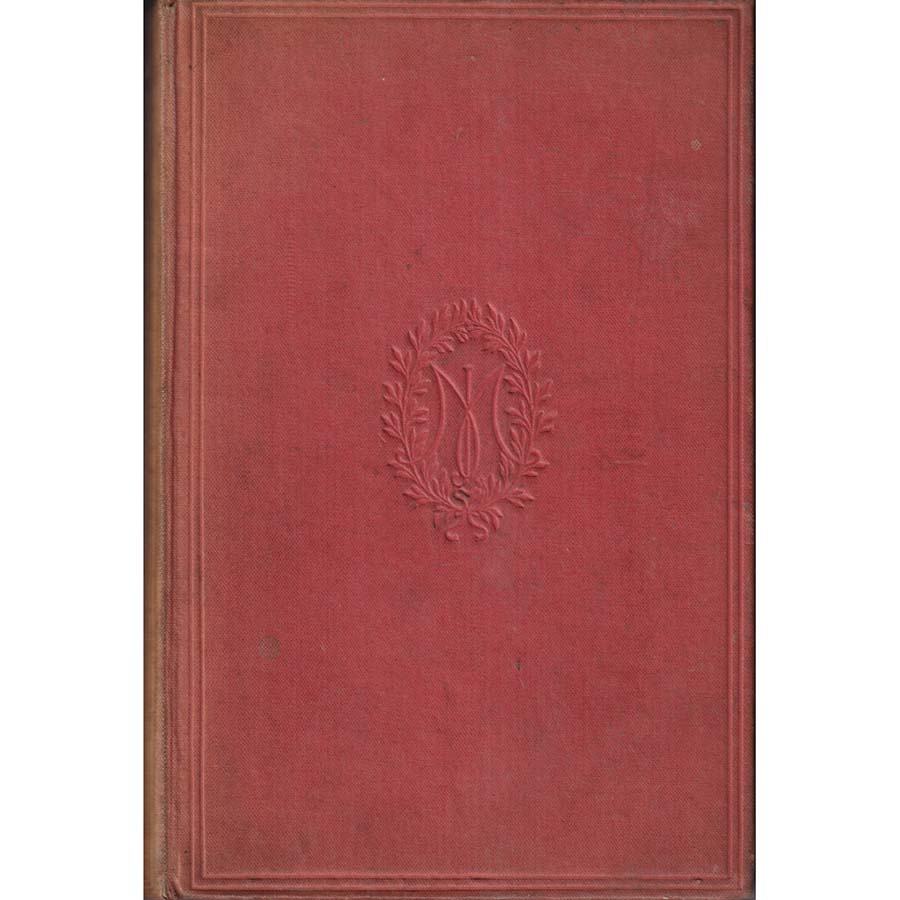
Arthur Christopher Benson's The Thread of Gold, published in 1912 by John Murray, presents itself as a curious artifact from the early 20th century. The book's cover design is a quintessential example of its time, with intricate gold lettering against a muted background that invites the reader to explore its pages. The paperback vibe is notably sturdy, suggesting a quality that has endured over the years, yet it still carries an air of fragility, much like the delicate themes it grapples with. The tactile experience of holding the book evokes a sense of nostalgia, reminiscent of a time when literature was a treasured possession and not merely a commodity.
Benson, an English author, is perhaps best known for his connection to the literary and cultural movements of the late Victorian and early Edwardian eras. Born in 1862, he was not only a writer but also a notable academic, serving as the Master of Magdalene College, Cambridge. The author’s literary output spans various genres, including poetry, essays, and novels, but he remains somewhat obscure in broader literary discourse, often overshadowed by his contemporaries. His works are characterised by their introspective nature and exploration of spirituality, reflecting the concerns of a society on the cusp of modernity.
The year 1912 was a pivotal moment in history, situated between the waning days of the Victorian era and the tumultuous events of the First World War. This period was marked by a flourishing of artistic expression and a grappling with the rapid shifts in societal norms and expectations. The Thread of Gold can be seen as a reflection of this transitional moment. The prose captures a lingering sense of hope amid the uncertainty, as well as a deep appreciation for the beauty found in life's fleeting moments. The cultural backdrop of 1912, with its blend of optimism and impending upheaval, resonates throughout the text, allowing readers to glimpse the complexities of an era that was about to change drastically.
Thematically, the book delves into the intricacies of human experience, exploring the connections between individuals and the often elusive nature of happiness. Benson's penchant for lyrical prose is evident, as he weaves together his observations of life with philosophical musings. However, the narrative can also feel meandering at times, lacking the sharpness that characterises more contemporary works. This meandering quality may frustrate modern readers who are accustomed to tighter plots and quicker pacing. Nevertheless, it is precisely this leisurely exploration that allows for moments of profound beauty and insight, inviting readers to reflect on their own lives as they traverse the pages.
In terms of print culture, The Thread of Gold stands as a testament to the literary tastes of the early 20th century. Published by John Murray, a well-respected publisher noted for its commitment to quality literature, the book is a product of its time. The physicality of the book—with its durable binding and elegant typeface—encourages a deeper engagement with the text. In an age where digital media dominates, there is something inherently satisfying about holding a well-crafted book, and Benson's work certainly fits the bill. It is a reminder of the importance of the printed word in shaping cultural narratives.
In conclusion, The Thread of Gold is an intriguing exploration of the human condition, reflecting the complexities of its time while remaining relevant to contemporary readers who seek beauty in the mundane. While Benson may not be a household name, his contributions to literature, particularly in this work, should not be overlooked. The book serves as both a cultural artifact and a literary exploration, inviting readers to ponder the threads of their own lives. For those interested in the nuances of early 20th-century literature, this title from Crappy Old Books is a worthy addition to any collection.