AI-assisted note, based on the text and a physical inspection of this copy.
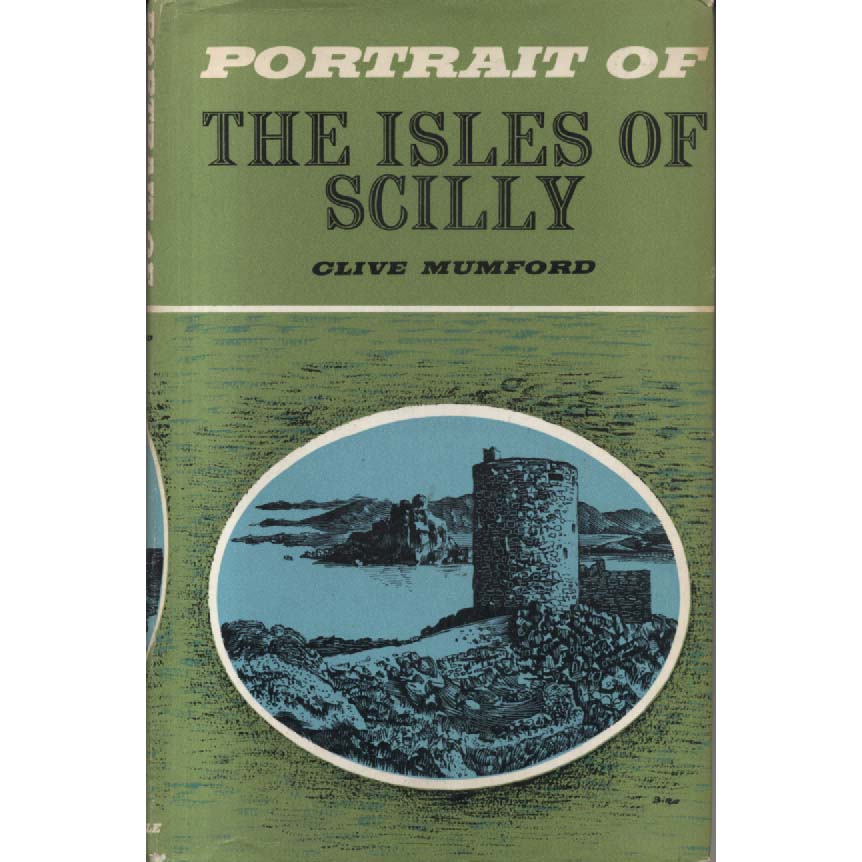
“Portrait Of The Isles Of Scilly” by Clive Mumford is a tome that captures the essence of a specific geographical enclave in a manner that might be described as both charming and quaint—if one were to be charitable. Published in 1967 by Trinity Press, this book offers a visual and textual exploration of the Isles of Scilly, a small archipelago off the southwestern tip of Cornwall. The cover design, typical of the era, features a simplistic yet evocative illustration that hints at the scenic beauty and rugged coastline of the islands. The use of pastel colours is perhaps reflective of the 1960s' aesthetic, attempting to invoke a sense of nostalgia and pastoral elegance. Unfortunately, one could argue that its aesthetic appeal is overshadowed by a somewhat pedestrian layout and unremarkable typesetting that fails to elevate the visual experience. The paperback vibe further reinforces the notion of a budget publication, which, while fitting for its subject matter, lacks the gravitas one might expect from a more substantial work.
Clive Mumford, the author, appears to be a figure shrouded in a veil of obscurity, with scant biographical details readily available. This lack of comprehensive documentation raises intriguing questions about his place within the literary culture of the time. It could be speculated that Mumford was an enthusiast of the Isles of Scilly, possibly a local resident or a passionate visitor, but no definitive record exists to substantiate such claims. His literary contributions seem limited to this work, casting him into the realm of the lesser-known authors whose contributions to regional literature may have been overlooked or forgotten. This obscurity adds an air of enigma to the book, as readers might wonder about the motivations and experiences that drove Mumford to pen this particular homage to the islands.
Published in the midst of the swinging sixties, “Portrait Of The Isles Of Scilly” emerges from a period marked by cultural upheaval and a burgeoning interest in localism and identity. The late 1960s in Britain were characterised by a countercultural movement, a burgeoning tourism industry, and a newfound appreciation for regional distinctiveness—elements that resonate within Mumford's work. The Isles of Scilly, with their unique flora, fauna, and history, serve as a microcosm of British identity, and Mumford's exploration of these themes aligns with the broader cultural currents of the time. However, the book does not significantly engage with the socio-political landscape surrounding it, leaving it feeling somewhat detached from the vibrant discourse of the era.
The content of the book is a mixed bag, oscillating between picturesque descriptions of the islands' natural beauty and historical anecdotes that feel somewhat disconnected. Readers may find themselves skimming through pages of text that, while earnest, lack the depth and insight that would truly elevate the work. The prose often flirts with the poetic but falls short of delivering anything particularly memorable, leaving one to ponder whether Mumford's intention was to merely document rather than to illuminate. The absence of a narrative arc or thematic cohesion makes for a disjointed reading experience, with sections that feel like a series of postcards rather than a cohesive portrait.
Moreover, the illustrations included in the book, while occasionally striking, often do not do justice to the landscapes they depict. The reproduction quality is inconsistent, which detracts from the overall experience. In an age when visual culture was beginning to flourish, one might expect a more polished presentation that could engage the reader’s senses more fully. Instead, the book settles into a comfortable mediocrity that may satisfy die-hard enthusiasts of the Isles of Scilly but leaves much to be desired for the casual reader.
In terms of print culture, “Portrait Of The Isles Of Scilly” is emblematic of a specific niche in British publishing: works that celebrate local history and geography, often produced in small runs by independent presses. Trinity Press, the publisher, seems to have embraced this ethos, aiming to cater to a modest audience with a burgeoning interest in regional literature. The book fits neatly into a category of publications that, while not groundbreaking, offer a glimpse into the local landscapes that define the British experience. However, the overall presentation and execution reflect the challenges faced by such small presses in a rapidly evolving literary market.
In conclusion, “Portrait Of The Isles Of Scilly” stands as a testament to a specific moment in time, both in its content and in its cultural positioning. While it may not resonate with a broader audience due to its lack of depth and engaging prose, it serves as a curious artefact of 1960s Britain—a period ripe with exploration and a quest for identity. Clive Mumford’s contributions, albeit obscure, remind us of the myriad voices that inhabit the literary landscape, even if only for a fleeting moment. For those interested in the niche intersections of culture, geography, and literature, this book may yet find a place on the shelves of Crappy Old Books, where it can be appreciated for its earnest, if flawed, portrayal of the Isles of Scilly.