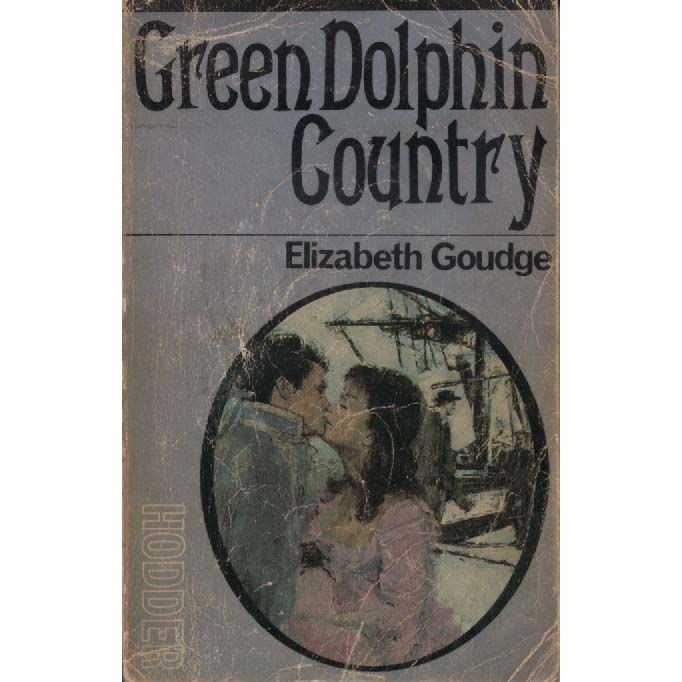
AI-assisted note, based on the text and a physical inspection of this copy.
“Green Dolphin Country” by Elizabeth Goudge is a curious artifact of mid-20th century literature, encapsulating a particular blend of romanticism and historical fiction that was prevalent during its time. The book, originally published in 1967 by Hodder, presents a narrative set against the backdrop of the islands of New Zealand and encompasses themes of love, rivalry, and the search for identity. The cover design, which features lush landscapes and hints at the idyllic settings of the narrative, draws the reader in with its promise of escapism. However, the paperback vibe gives it a somewhat dated appearance, akin to the dusty shelves of a forgotten library, which may invoke nostalgia but also raises questions about its relevance in contemporary literary culture.
Elizabeth Goudge, the author, is perhaps best known for her ability to create deeply felt characters and intricate plots that delve into the complexities of human nature. While she is not as universally recognised as some of her contemporaries, her works have garnered a dedicated following. Goudge’s writing often reflects her Christian faith and her fascination with nature, elements that are woven throughout “Green Dolphin Country.” However, there appears to be limited biographical information available regarding her personal life or broader impact on literary movements, which somewhat diminishes her presence in the pantheon of notable authors. Her position within publishing history seems somewhat obscure, as she has not consistently been referenced in major literary discourse despite her contributions.
The year of publication, 1967, places “Green Dolphin Country” in a transformative period for literature and society at large. The late 1960s were marked by a cultural revolution, with the rise of counterculture, feminist movements, and changing social norms. This backdrop of upheaval and the quest for self-discovery permeates the literary landscape, influencing various genres and styles. Goudge’s work, however, seems to retreat into the realms of romantic idealism, possibly as a response to the chaos of the time. In contrast to the gritty realism that characterised much of the literature of that era, Goudge's narrative offers an escape into a world of beauty and sentiment, perhaps appealing to readers yearning for stability and tradition amidst societal change.
The novel itself is not without its quirks. Goudge’s prose is rich and descriptive, painting vivid images of the New Zealand landscape and the emotional landscapes of her characters. Yet, the pacing can be uneven, with lengthy passages that dwell on exposition while action takes a backseat. This could render the reading experience laborious for some, particularly modern readers accustomed to brisk narratives and rapid developments. Furthermore, the melodrama woven into the plot may come off as overly sentimental, which could either charm the reader or elicit an eye-roll, depending on personal taste.
Exploring the themes of love and sacrifice, Goudge's characters often find themselves at a crossroads, grappling with their desires and the expectations placed upon them. This exploration of human emotion, while earnest, sometimes borders on the saccharine, which may alienate readers looking for a more nuanced treatment of such topics. The dialogue, while occasionally poignant, can also veer into the realm of the cliché, reflecting the literary conventions of the time.
As a cultural object, “Green Dolphin Country” stands as a testament to the era's literary tendencies, but it also reflects a kind of insularity, as Goudge's world feels somewhat insulated from the pressing realities of the time. The book's aesthetic, paired with its thematic preoccupations, evokes a longing for simpler times, perhaps serving as a comfort blanket for readers seeking solace in the past. Nevertheless, this same quality may render it less accessible to contemporary audiences who favour more grounded narratives.
In conclusion, “Green Dolphin Country” by Elizabeth Goudge remains a curious blend of the romantic and the historical, encapsulating a specific literary taste of the 1960s. While it may not hold the same cultural weight as some of its contemporaries, it offers a glimpse into the ideals and aesthetics of its time. For those who appreciate the lush prose and emotional depth that Goudge endeavours to convey, it may provide a rewarding reading experience. However, for a more critical audience, it may raise questions about its relevance in today’s literary landscape. As a piece of Crappy Old Books, it invites reflection on the literary values of yesteryear while evoking a bittersweet nostalgia for simpler narratives.