AI-assisted note, based on the text and a physical inspection of this copy.
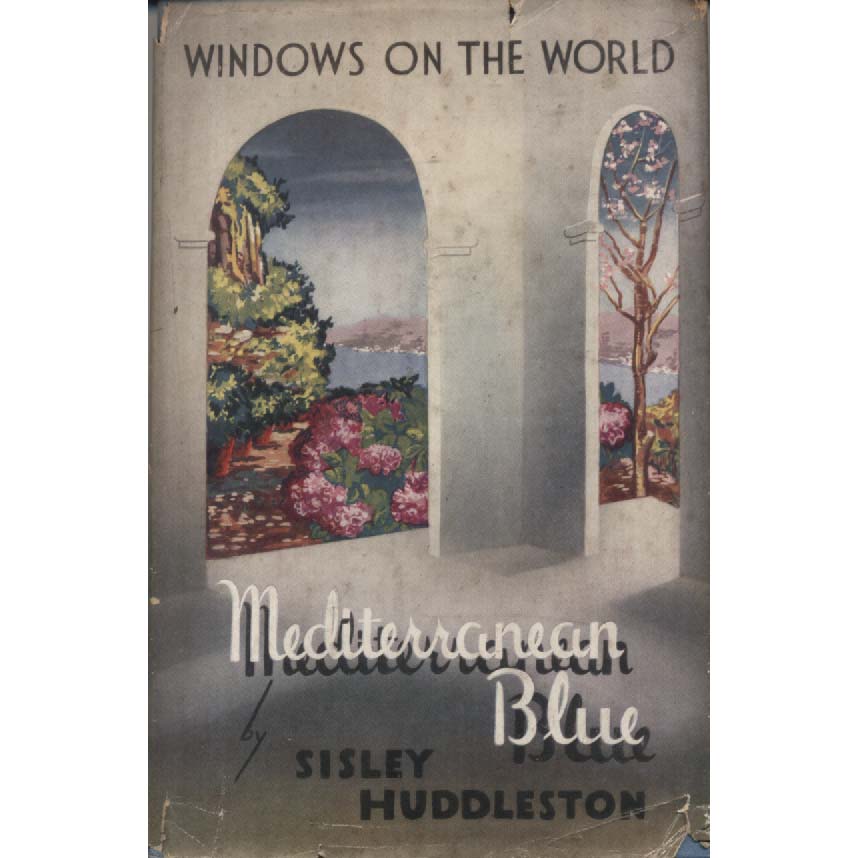
“Mediterranean Blue” by Sisley Huddleston, published in 1948 by Evans Brothers, serves as an intriguing relic of post-war literary culture, capturing the complex interplay of aesthetics and sentiments that defined the era. The cover design, with its vivid blues and evocative imagery, invites readers to explore the Mediterranean landscape, embodying a romantic allure that was particularly resonant during a time of reconstruction and hope. The paperback vibe, typical of the period’s mass-market publications, adds an air of accessibility, suggesting that Huddleston's work was intended not just for literary elites but for a broader audience eager to escape into the sun-kissed vistas of the Mediterranean.
The author, Sisley Huddleston, seems to occupy a somewhat obscure position within the literary landscape. While not exactly a household name, he is known to have produced various works, including travel writing and novels that reflect his experiences and observations. Despite this, detailed records about his life and career are scant, making it difficult to sketch a comprehensive biography. His contributions appear to be overshadowed by contemporaries who have garnered greater acclaim, suggesting that while he played a role in the literary culture of his time, his legacy remains somewhat hidden in the shadows of more prominent figures.
Published in the aftermath of World War II, “Mediterranean Blue” emerges during a period marked by a yearning for beauty and normalcy. The late 1940s were characterised by a collective consciousness that sought to heal from the ravages of conflict, leading to a resurgence of interest in travel, culture, and the arts. The Mediterranean, with its historical significance and picturesque landscapes, offered a tantalising escape for readers wishing to immerse themselves in a world far removed from the devastation they had experienced. Huddleston's work taps into this cultural zeitgeist, presenting an idyllic portrayal of the region that resonates with the readers' desire for tranquility and rejuvenation.
In terms of print culture, the book reflects the mid-20th century's growing interest in leisure reading and travel narratives. The post-war period saw a boom in publishing, with an emphasis on producing works that could transport readers to different locales. Huddleston’s writing style, while perhaps not groundbreaking, aligns with the popular trends of the time, favouring descriptive prose that paints vivid pictures of the Mediterranean’s landscapes and cultures. This aligns with the broader publishing movement that sought to provide escapism through literature, a necessary balm for a world grappling with the aftermath of war.
The content of “Mediterranean Blue” likely reflects the author's impressions and experiences in the region, blending personal narrative with elements of travelogue. Readers can expect rich descriptions that evoke the senses, drawing them into the sights, sounds, and smells of the Mediterranean. However, the book does not merely serve as a travel guide; it also functions as a cultural commentary, capturing the essence of a place that has long been romanticised in literature. Such narratives were particularly popular in the 1940s as people sought to reconnect with beauty and culture in the wake of a global crisis.
The choice of Evans Brothers as the publisher also speaks volumes about the book's intended market. Established in the early 20th century, Evans Brothers was known for producing quality literature aimed at both children and adults. Their decision to publish “Mediterranean Blue” aligns with the company’s trend of focusing on works that cater to the growing appetite for engaging and visually appealing narratives. The book's publication under this banner suggests that it was seen as a valuable contribution to the reading landscape of the time, further cementing its role as a cultural object worthy of exploration.
As for the physicality of the book, one cannot overlook the tactile experience it offers. The paperback format, while common, is indicative of a shift in publishing practices, making literature more accessible to the general public. The paper quality, cover art, and overall design reflect the era's aesthetic preferences, combining functionality with a burgeoning emphasis on visual appeal. Such details contribute to the book’s status as a cultural artefact, embodying the fusion of art and literature that characterised the mid-20th century.
In conclusion, “Mediterranean Blue” by Sisley Huddleston stands as a fascinating cultural object that encapsulates the spirit of its time. The book's blend of evocative imagery, accessible prose, and the romantic allure of the Mediterranean offers readers a glimpse into a world yearning for beauty and solace. While Huddleston himself may not be widely recognised today, his work contributes to a rich tapestry of literary history that emerged in the wake of World War II. As we delve into such texts, we gain insight not only into the author's perspective but also into the cultural currents that shaped the world around them. For those interested in exploring the nuances of post-war literature and its cultural implications, “Mediterranean Blue” is a worthy addition to any collection of Crappy Old Books.