AI-assisted note, based on the text and a physical inspection of this copy.
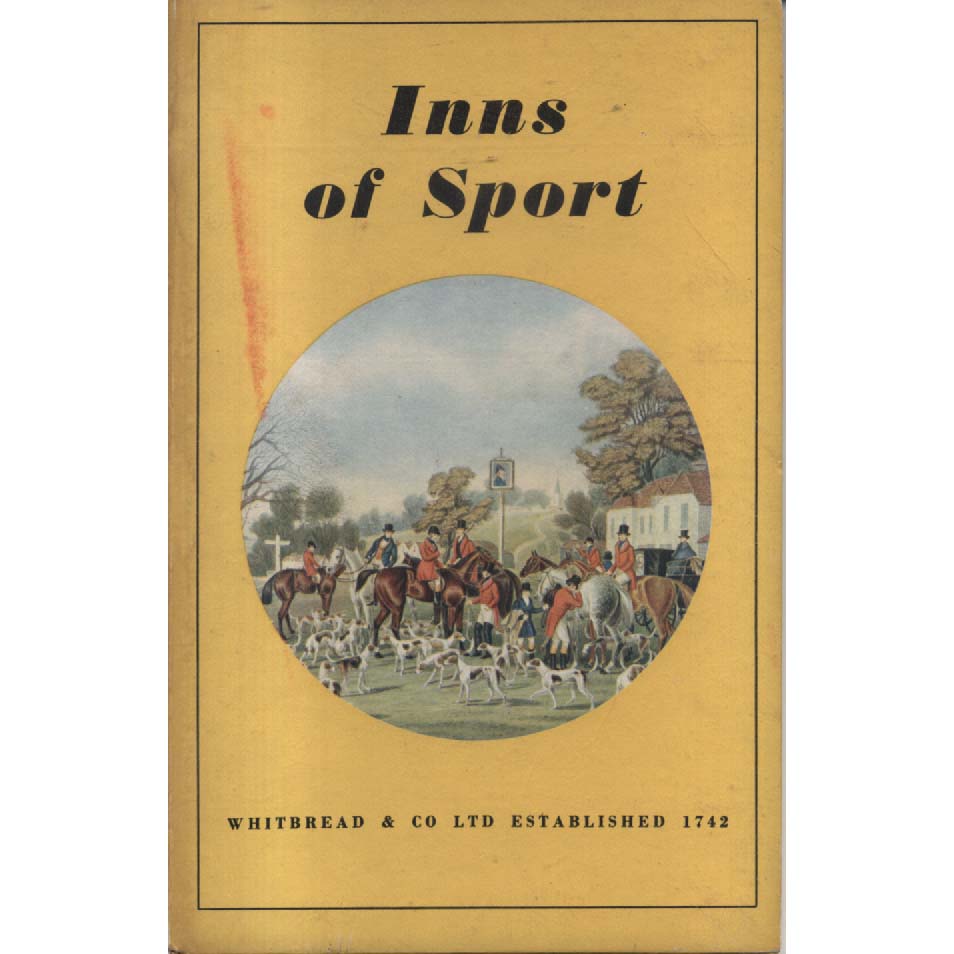
"Inns of Sport," published in 1949 by the rather unassuming Whitbread and Co Ltd, presents itself as an oddity within the landscape of mid-20th century literature. The title alone evokes a sense of nostalgia, suggesting a collection of narratives or reflections centred around the intersection of sport and hospitality. The book's cover features a somewhat utilitarian design, perhaps a reflection of its utilitarian purpose—serving as a guide or companion for those intrigued by the cultural tapestry of sport across various inns in Britain. The palette is muted, employing a colour scheme typical of the post-war era, which communicates a sense of reliability and tradition rather than flamboyance or modernity. The paperback vibe is distinctly retro, giving readers a tactile experience that is increasingly rare in today's digital age.
Whitbread and Co Ltd, as the publisher, is a name that has long been associated with the hospitality industry, particularly known for its breweries and inns. However, the author of "Inns of Sport" remains an enigma, as there is scant information available regarding their identity or contribution to literary culture. Given the nature of the book, it seems plausible that the authors could have been a collective of writers or perhaps a committee within the company itself, aimed at promoting the establishments associated with Whitbread. This lack of a defined authorship adds an air of mystery to the work, making it feel more like a curated collection of insights rather than a singular vision. Speculation abounds regarding whether the author or authors intended to preserve a particular slice of British life through this work, but without concrete evidence, one can only ponder.
The year 1949 was a pivotal moment in British history, as the nation was emerging from the shadows of World War II. The post-war period was characterised by a longing for normalcy and a revival of social traditions that had been interrupted by years of conflict. Sports played a significant role in this cultural resurgence, serving as a unifying force for communities and a means of escapism for many. "Inns of Sport" fits snugly within this context; it likely aimed to celebrate the role of local inns as social hubs where sports enthusiasts could gather, discuss, and enjoy various games. The book may have also been a nod to the burgeoning popularity of sports during this time, from cricket to football, which were central to British identity and leisure culture. The revival of interest in these pastimes can be seen as part of a broader trend of looking to the past for comfort and continuity in a rapidly changing world.
In terms of print culture, "Inns of Sport" represents a transitional phase in publishing. The post-war period saw a shift towards more accessible literature, with a growing emphasis on leisure reading. This book, with its focus on sport and community, aligns perfectly with the burgeoning consumer culture of the time, inviting readers to engage with their environment in a way that was both informative and recreational. The paperback format allows for easy accessibility, appealing to a demographic eager to absorb knowledge while participating in the vibrant social life surrounding sports. It’s evident that the book was designed with the intent of reaching a broad audience, from avid sports fans to casual readers looking for a lighthearted exploration of British culture.
Moreover, the content of "Inns of Sport" itself, although not explicitly detailed here, likely intertwines anecdotes, recommendations, or historical tidbits about various inns that cater to sporting events. This approach not only serves as a testament to the rich tapestry of British sporting culture but also reinforces the significance of these establishments as gathering places for camaraderie and celebration. By doing so, it encapsulates the essence of post-war Britain, where sports were not merely pastimes but essential threads in the fabric of everyday life.
As one reflects on the legacy of "Inns of Sport," it becomes clear that the book is more than just a collection of information; it is a cultural artifact that offers a glimpse into a specific historical moment. Its somewhat obscure authorship and the general lack of records pertaining to its creation only enhance its charm, inviting readers to speculate and imagine the intentions behind its publication. The book stands as a reminder of the importance of local culture in shaping national identity, especially in a time when such identities were being redefined.
In conclusion, "Inns of Sport" serves as a fascinating exploration of the intersection of sport and hospitality in post-war Britain. While the author remains largely unknown, the cultural context surrounding its release provides a rich backdrop for understanding its significance. With its quaint cover design and utilitarian aesthetics, the book is emblematic of a time when print culture was transitioning to meet the needs of a populace eager to reconnect with its roots. For those interested in the quirky remnants of mid-20th century literature, "Inns of Sport" is a delightful find, and a testament to the enduring nature of Crappy Old Books.