AI-assisted note, based on the text and a physical inspection of this copy.
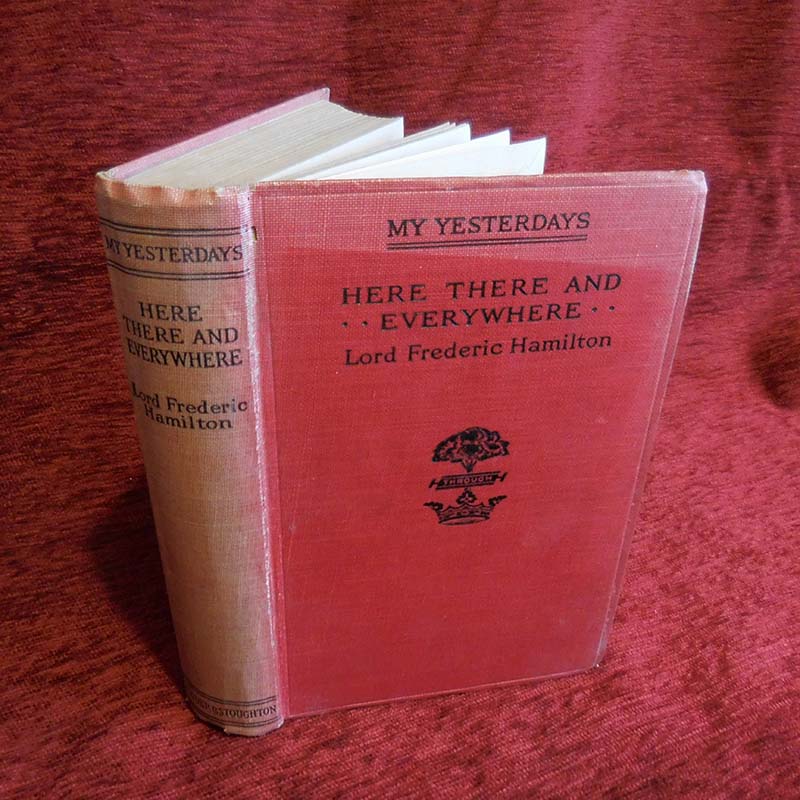
Frederic Hamilton’s Here There And Everywhere, published in the 1930s by Hodder and Stoughton, embodies a specific slice of literary history that is at once intriguing and elusive. The cover design is a testament to the era: a somewhat muted palette with faint imagery that hints at the themes within, creating a sense of nostalgia mixed with a touch of the modern. This is a paperback that carries the weight of its time, the kind of book that might have been passed around in parlours or tucked into a coat pocket for a leisurely read on a train ride. The tactile feel of the pages, slightly yellowed and delicate, evokes the charm of print culture from a period when the written word held a different kind of significance and urgency.
The author, Frederic Hamilton, appears to be a somewhat obscure figure within the literary landscape, with scant biographical information readily available. His name does not resonate widely in discussions of prominent authors from the 1930s, suggesting that he may not have achieved significant acclaim or left a lasting mark on literary culture. This obscurity only adds to the intrigue of the book itself; it feels like a relic from a forgotten time, perhaps written by a man whose voice has been overshadowed by more famous contemporaries. Speculatively, Hamilton might have been one of many writers attempting to capture the zeitgeist of the interwar period, yet his contributions sadly seem to have faded from the collective memory of literary history.
Published in the 1930s, Here There And Everywhere emerges from a decade marked by profound social and political upheaval. The Great Depression had gripped much of the world, and literary works from this time often reflected a sense of disillusionment, exploration, and a search for meaning. The atmosphere of the era was charged with a mix of hope and despair, as well as an undercurrent of modernism that sought to break free from traditional forms of expression. In this context, Hamilton’s work may resonate with readers as a microcosm of the broader struggles and aspirations of humanity during a transformative period. The book could serve as a snapshot of the cultural currents of the 1930s, revealing the complexities and contradictions of life amid a shifting landscape.
As for the content itself, without delving into specifics, the title Here There And Everywhere suggests a theme of exploration, a journey through various locales or states of being. The phrase evokes images of wanderlust and the human condition’s inherent desire to seek, to understand, and to connect. One can imagine that Hamilton’s narrative might weave together experiences that traverse not only physical spaces but also the intricate emotional landscapes that accompany such journeys. The title itself is engaging and prompts curiosity, making readers wonder about the various interpretations it could embody throughout the course of the text.
The book’s physical attributes contribute to its allure. The paper quality reflects the standards of the time, slightly fragile yet rich with the scent of aged ink, which is a sensory delight for any bibliophile. The spine, though slightly creased, retains a level of integrity that speaks to the care with which it has been treated over the decades. Such details are significant; they tell the story of the book’s journey through time, each crease and stain a testament to its past readers and their experiences. This physicality aligns perfectly with the themes likely explored within, as the act of reading itself becomes an exploration of the self in relation to the world around.
In terms of its reception, Here There And Everywhere may not have sparked the kind of fervent critical acclaim that other works of the era garnered, yet its existence within the canon of 1930s literature is significant nonetheless. It stands as a reminder of the myriad voices that populated the literary scene during this tumultuous time, voices that often go uncelebrated yet offer invaluable insights into the human experience. Crappy Old Books, dedicated to preserving and reviewing the less heralded works of the literary world, finds a fitting subject in Hamilton’s effort. This book may not be a classic, but it represents the enduring spirit of exploration and the quest for understanding that defines our shared narrative.
In conclusion, Frederic Hamilton’s Here There And Everywhere is a cultural object that encapsulates the essence of the 1930s while remaining shrouded in mystery due to its author’s obscurity. The book serves as both a connection to a bygone era and a reminder of the importance of every voice in the vast chorus of literature. While it may not have achieved widespread recognition, it certainly holds a place within the tapestry of literary history, making it worthy of attention and appreciation.