AI-assisted note, based on the text and a physical inspection of this copy.
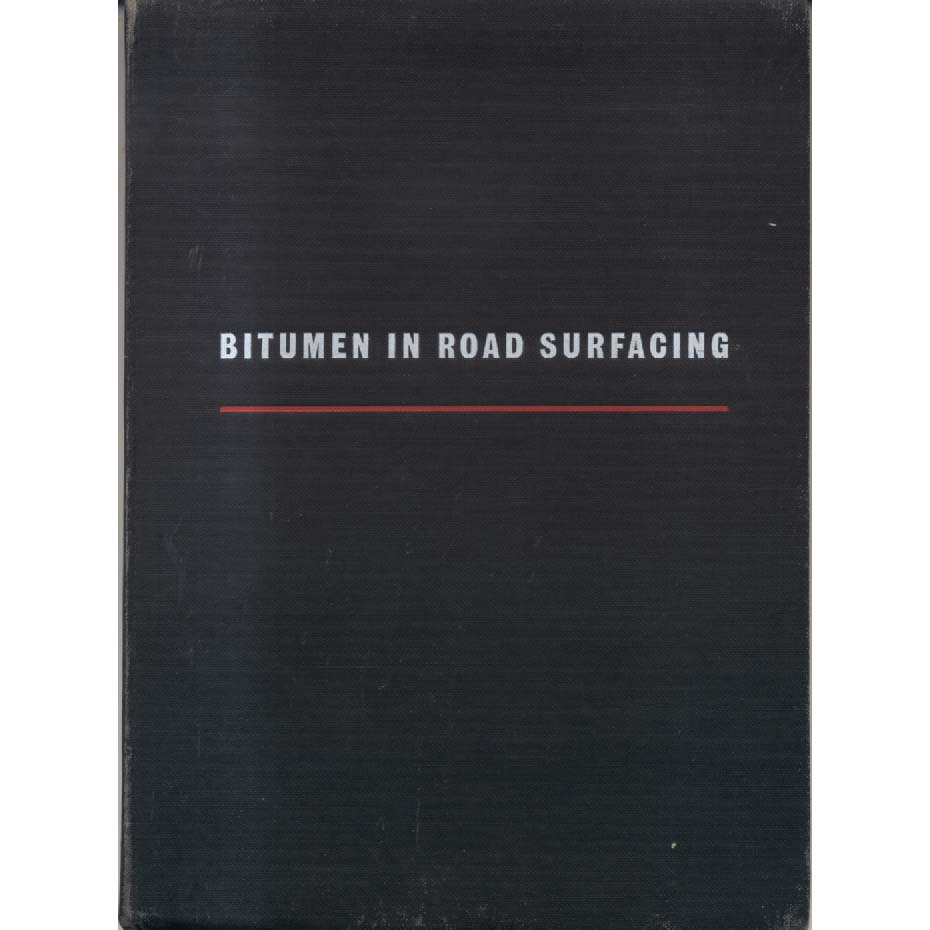
“Bitumen in Road Surfacing” by Shell International Petroleum is a fascinating artifact from the early 1960s, embodying a specific era in both publishing and industrial documentation. This paperback volume, with its utilitarian cover design, reflects the no-frills aesthetic common in technical literature of the period. The cover typically features bold, straightforward typography and perhaps a simple image related to road construction, eschewing the artistic flair found in more literary works. The book’s physical presence, likely slightly worn with age, invokes a sense of nostalgia for a time when petroleum companies were becoming increasingly influential, not just in energy but in infrastructure development.
The overall vibe of the paperback resonates with the practical approach to publishing that defined many technical manuals of the time. It is devoid of the glossy finishes or high-quality imagery that characterise modern publications, instead opting for a straightforward layout aimed at delivering information efficiently. The quality of the paper may be slightly yellowed, and the binding is likely to reflect the utilitarian nature of its content, suggesting that it was intended for use rather than display. This practical aesthetic aligns with the book's purpose: to inform professionals about the specifics of using bitumen in road surfacing, a subject of considerable importance during a time of rapid industrial growth.
Shell International Petroleum, the author of this work, is renowned for its role in the global oil and gas industry. Founded in the 19th century, Shell has been at the forefront of energy production and innovation, deeply entwined with the development of modern infrastructure. While specific details about the individuals responsible for this publication remain elusive, it is reasonable to speculate that the work represents a collective effort by a team of engineers and industry experts at Shell, rather than the vision of a singular author. The obscurity of individual contributors is common in corporate publications, where the emphasis is placed on the organisation rather than on personal accolades. Thus, “Bitumen in Road Surfacing” stands as a testament to Shell's commitment to sharing knowledge within the industry, serving as a reference point for professionals engaged in road construction and maintenance.
Published in 1963, this book emerges from a period marked by significant advancements in civil engineering and materials science. The post-war era saw a boom in infrastructure development, fueled by economic growth and the automobile's rise in popularity. Bitumen, a byproduct of petroleum refining, became a critical material in road surfacing due to its durability and versatility. The 1960s were characterised by a burgeoning awareness of the importance of transport networks in supporting economic expansion and regional connectivity. Consequently, this text is not merely a technical manual; it encapsulates the zeitgeist of an era when the relationship between energy resources and infrastructure was increasingly acknowledged and developed.
The technical content of the book delves into the properties of bitumen, its applications in road surfacing, and the methodologies for its effective use. It serves as a guide for engineers and contractors, providing insights into the best practices for achieving long-lasting road surfaces. This focus on practicality and application underscores the book's role within the niche of technical literature, aimed at equipping professionals with the knowledge necessary to innovate and optimise their work in road construction. The straightforward prose and instructional tone further enhance its utilitarian purpose, rendering it a valuable resource for those involved in the field.
Moreover, the publication reflects the broader cultural environment of the 1960s, a time when industries were beginning to embrace more systematic approaches to quality and standards. The emergence of technical manuals such as this one indicates a shift towards formalising knowledge within the construction industry, which was becoming ever more complex and specialised. The rising demand for better infrastructure coincided with the establishment of formal guidelines and standards, which this book likely contributed to, reinforcing the significance of bitumen in modern road construction.
In conclusion, “Bitumen in Road Surfacing” by Shell International Petroleum serves as both a technical manual and a cultural artifact from the 1960s. Its straightforward design and practical content reflect the corporate ethos of the time, prioritising function over form. While the author remains a collective entity rather than an individual, the book holds a vital place within the narrative of technical publishing and the industrial revolution of the mid-20th century. For those interested in the history of materials science, civil engineering, or the publishing practices of technical literature, this work offers a unique glimpse into an era that laid the groundwork for modern infrastructure. Crappy Old Books celebrates such publications for their role in documenting and shaping the industries of the past, reminding us of the continuing evolution of technology and its dissemination through printed works.