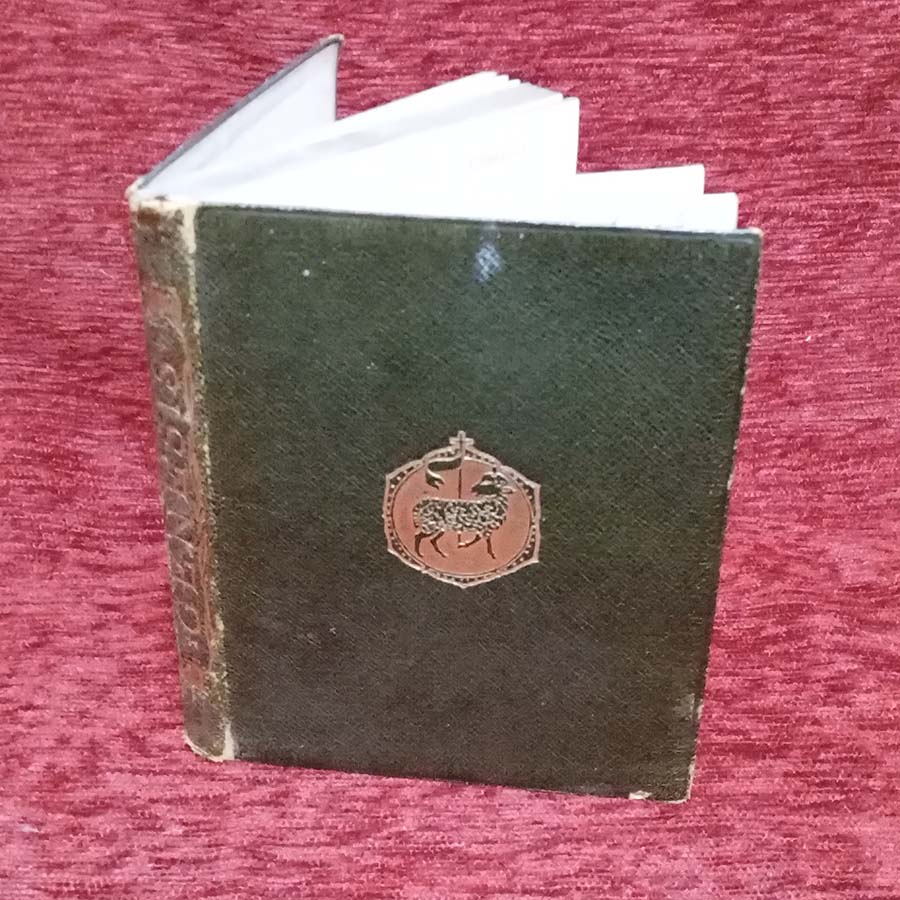
AI-assisted note, based on the text and a physical inspection of this copy.
Genesis - The First Book of Moses, authored by AH Sayce and published around 1900 by JM Dent, stands as a curious artifact in the realm of biblical literature. The book presents a unique interpretation of the first book of the Old Testament, intertwining historical analysis and theological commentary. The cover design, typical of its era, exhibits a faded elegance, with gold lettering embossed on a dark blue backdrop, suggesting a seriousness of purpose that invites contemplation. Yet, it also carries the wear of time, embodying the paperback vibe that evokes curiosity about its past readership, perhaps lingering on the shelves of early 20th-century parlours.
The era of its publication was marked by significant shifts in both religious thought and scholarly inquiry. The turn of the century saw an increasing interest in archaeology and ancient texts, which influenced interpretations of biblical narratives. Sayce's work reflects this zeitgeist, as it attempts to reconcile modern findings with ancient scriptures. The late Victorian and early Edwardian periods were also characterised by a growing scepticism towards traditional religious beliefs, leading to a more critical examination of texts that were once taken at face value. Thus, the book not only serves as a religious text but also as a cultural artefact that embodies the intellectual currents of its time.
AH Sayce, while not a household name today, was a notable figure in the realm of biblical archaeology and linguistics during his lifetime. He was particularly known for his contributions to the understanding of ancient Near Eastern cultures and languages. Sayce’s work often bridged the gap between scholarly analysis and popular understanding, making complex ideas accessible to a wider audience. However, specific details about his life and career remain somewhat sparse, leaving his legacy somewhat obscured in the broader context of literary culture. His position within the publishing history of biblical texts is evident, as he contributed to the popular discourse surrounding the interpretation of the Bible during a transformative period.
The book itself is an interesting case study in the realm of print culture. It embodies the transition from religious texts as mere sacred scriptures to the realm of intellectual inquiry and debate. The physicality of the book, with its slightly yellowed pages and delicate spine, speaks to the nature of paperback publishing at the time, a format that aimed to reach the masses while still maintaining a semblance of authority and reverence. This tension between accessibility and respect for the text is palpable, as readers could easily engage with the material, yet the book’s presentation suggests a deeper significance that was intended to resonate with its audience.
In examining the cultural context of the early 1900s, one notes that this was a time of profound change in society, where traditional values were increasingly scrutinised. The book's publication coincided with a burgeoning interest in science and reason, challenging long-held beliefs and encouraging new interpretations of ancient texts. As readers grappled with the implications of Darwinian theory, the emergence of psychoanalysis, and shifts in artistic expression, Sayce's Genesis offered a window into how these influences shaped religious thought. His work can be seen as part of a larger conversation about faith, reason, and the quest for understanding in an era marked by uncertainty.
As a cultural object, Genesis - The First Book of Moses is more than just a biblical commentary; it represents a snapshot of a pivotal moment in history. The book teeters between reverence for ancient texts and the burgeoning curiosity that characterised the intellectual landscape of the time. Readers today may find themselves drawn to its historical significance, appreciating how it reflects the transition from rigid dogma to a more nuanced understanding of scripture.
In conclusion, AH Sayce's Genesis - The First Book of Moses is a fascinating piece for those interested in the interplay of religion, culture, and literary history. While the author may not be widely celebrated today, his contributions during a transformative period in biblical studies remain relevant. The book serves as a reminder of how literature can encapsulate the complexities of its time, making it an intriguing addition to any collection focused on the evolution of religious thought. Crappy Old Books proudly features such varied texts, inviting readers to explore the layers of meaning within these often-overlooked works.