AI-assisted note, based on the text and a physical inspection of this copy.
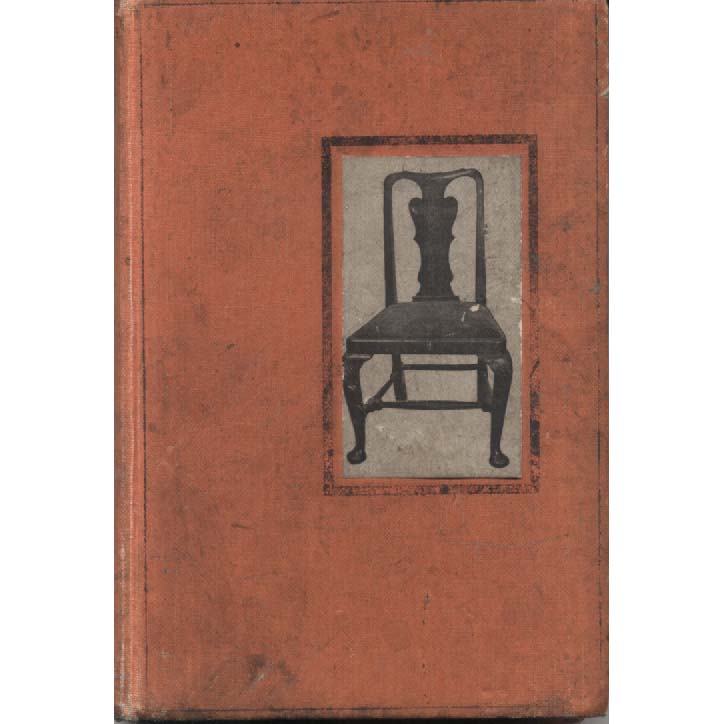
"Little Book About Old Furniture - The Period of Queen Anne," authored by JP Blake and AE Reveirs-Hopkins, is a charming artifact from the 1920s that offers a glimpse into the decorative arts of a bygone era. The book's cover is a faded green cloth with gold lettering, which, while perhaps glamorous in its time, now exudes a certain dusty charm typical of the period. The simplistic yet elegant design embodies the aesthetic sensibilities of the early 20th century, when such publications were often intended for both educational and decorative purposes, appealing to a burgeoning middle class eager to learn about history and the arts.
The book itself is a compact volume, characteristic of many publications from its time, which aimed to be accessible and appealing to a wider audience. The paper quality is quite decent, though it has yellowed with age, and the illustrations, while limited in number, are detailed enough to provide a fair representation of the furniture styles discussed. The text is interspersed with black-and-white images, which lend a certain authenticity, though they may fall short of modern standards of visual presentation. Overall, the physicality of the book gives off an air of quaintness, making it a delightful piece to leaf through, particularly for those who have an appreciation for vintage aesthetics.
JP Blake and AE Reveirs-Hopkins appear to be somewhat obscure figures in the literary and publishing landscape. There is little readily available information about their careers or other works, suggesting that they may not have achieved significant recognition beyond this particular title. Their collaboration on this book hints at a shared interest in historical furniture, but without more substantial biographical records, it is difficult to ascertain their impact or standing within the field of decorative arts literature. They seem to remain sidelined in the annals of publishing history, perhaps overshadowed by more prominent authors of the time.
Published in 1927, this book emerges from a post-World War I context in Britain, a time when society was experiencing a cultural renaissance. The 1920s saw a revival of interest in historical styles, as individuals looked back to the elegance of previous eras in the wake of the war's devastation. This period also corresponded with a growing middle class who sought to educate themselves about art and design, thus making publications like this one increasingly popular. It reflects a moment when people were not just recovering but were also eager to reclaim and appreciate the beauty of their heritage, and furniture from the Queen Anne period was particularly prized for its craftsmanship and aesthetic appeal.
The Queen Anne period, spanning from approximately 1702 to 1714, is celebrated for its simplicity and grace, moving away from the heavy ornamentation of previous styles. The book delves into various aspects of this era, focusing on the craftsmanship of furniture design, the materials used, and the cultural implications of these objects. The authors provide insights into the social and historical context of the furniture, which serves as a fascinating commentary on the period's aesthetics and values. The text is informative, albeit somewhat dry, in its academic tone, which may not engage all readers, particularly those seeking a more lively exploration of the subject.
In terms of cultural significance, "Little Book About Old Furniture" reflects a time when literature on decorative arts was beginning to find its footing as a serious genre. This book may not have garnered critical acclaim, but it contributes to the broader conversation about the importance of preserving historical knowledge and appreciating craftsmanship. It is a reminder of the value placed on heritage, which resonates even today as we navigate contemporary design trends that often hark back to classic styles.
While the book may not be a bestseller or a landmark work in the field of furniture history, its place within the Crappy Old Books category is well-deserved. It offers a quaint, if somewhat dusty, exploration of a specific niche that has captivated collectors and enthusiasts alike. Its modest charm and historical context make it an interesting read for those who appreciate the intersections of design, culture, and history.
Overall, "Little Book About Old Furniture - The Period of Queen Anne" serves as a delightful relic of its time, capturing the essence of early 20th-century interest in historical furniture. With its quaint illustrations and informative text, it is a worthy addition to any collection that celebrates the beauty of craftsmanship and the story behind the objects that fill our homes. For readers intrigued by the aesthetic movements of the past, this book provides a nostalgic window into the past, even if it lacks the depth and vibrancy that modern works in the field might offer.