AI-assisted note, based on the text and a physical inspection of this copy.
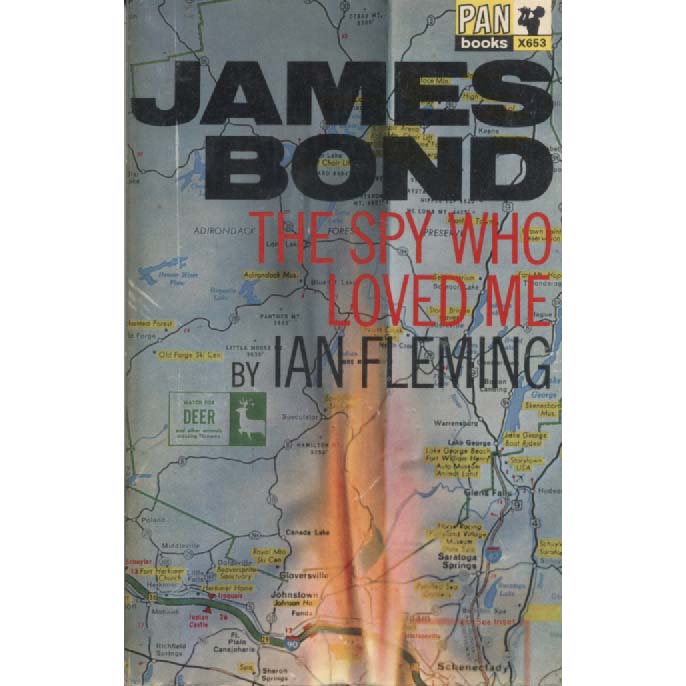
Ian Fleming’s "The Spy Who Loved Me," published in 1967 by Pan Books, is a noteworthy entry in the James Bond series, albeit one that diverges from the well-established formula of its predecessors. The cover design, typical of the era, features bold, eye-catching colours and an illustration that hints at intrigue and danger, evoking the essence of the spy genre while also suggesting a romantic subplot that is central to this narrative. The paperback vibe is undeniably representative of the 1960s, a time when mass-market paperbacks were gaining prominence, allowing literature to become more accessible to the general public. This format not only helped to democratise reading but also contributed to the proliferation of genre fiction, particularly in the realm of thrillers and espionage.
In "The Spy Who Loved Me," Fleming takes a distinct departure from the usual third-person perspective, presenting the story through the eyes of Vivienne Michel, a young woman who becomes embroiled in the world of espionage. This narrative choice offers a refreshing, if controversial, perspective within the Bond canon, as it shifts the focus from the iconic spy himself to a female character navigating her own perilous circumstances. The novel's exploration of themes such as love, betrayal, and survival within a male-dominated society makes it an intriguing, albeit uneven, addition to the series. Critics have often debated its merit compared to other Bond novels, with some praising its ambition and others lamenting its deviation from the expected action-oriented plot that fans had come to anticipate.
Ian Fleming, the mastermind behind the James Bond series, was born in 1908 and became one of the most significant figures in British literature, particularly in the spy fiction genre. His experiences as a naval intelligence officer during World War II heavily influenced his writing, infusing it with a sense of authenticity and realism that resonated with readers. Fleming's creation of the suave, debonair secret agent James Bond has left an indelible mark on popular culture, spawning numerous films, parodies, and imitations. By the time "The Spy Who Loved Me" was published, Fleming was already a household name, with several successful novels under his belt, establishing a franchise that would endure for decades. However, it is important to note that he passed away in 1964, and "The Spy Who Loved Me" was published posthumously, suggesting it may have been a work that was either completed shortly before his death or compiled from earlier drafts.
The year 1967 was a pivotal moment in global culture, particularly in Britain. The countercultural movements were beginning to gain momentum, challenging traditional norms and promoting ideas of liberation and change. This cultural backdrop is reflected in the novel's themes, which diverge from the typical male-centric narratives that dominated earlier entries in the Bond series. The 1960s also saw the rise of feminism, which may have influenced Fleming’s portrayal of Vivienne Michel, albeit in a manner that is often critiqued for its limitations. The film adaptation of "The Spy Who Loved Me," released in 1977, further encapsulated the decade's evolving attitudes toward gender and espionage, signalling a shift in how these narratives were constructed and received.
In terms of print culture, "The Spy Who Loved Me" represents both the height of Fleming's influence and the transitional phase of the spy genre. The novel's publication by Pan Books, a publisher known for its focus on popular fiction, ensured that it reached a wide audience. The paperback format was particularly significant during this time, as it not only made the book more accessible but also positioned it within the burgeoning market of mass-market fiction. This era saw a vast increase in the production and consumption of genre literature, and Fleming's works were at the forefront of this movement, appealing to a demographic eager for escapism and adventure.
Despite its flaws, "The Spy Who Loved Me" stands as a testament to Fleming's ability to innovate within a genre that was becoming increasingly formulaic. The blend of romance and espionage, while not always executed flawlessly, offers a unique insight into the complexities of human relationships amidst the backdrop of danger and intrigue. It invites readers to consider the role of women in a world largely dominated by men, albeit through a lens that is still heavily influenced by the author's own perspectives.
In conclusion, "The Spy Who Loved Me" is a fascinating cultural object that reflects the changing tides of literature and society in the 1960s. While it may not be as celebrated as other entries in the Bond series, its attempt to explore themes of love and identity through a female lens adds a layer of depth that warrants examination. For those interested in the evolution of the spy genre and the cultural implications of literature during this transformative period, this novel is a noteworthy read. Crappy Old Books offers a unique perspective on such works, reminding us of the enduring legacy and impact of authors like Ian Fleming.