AI-assisted note, based on the text and a physical inspection of this copy.
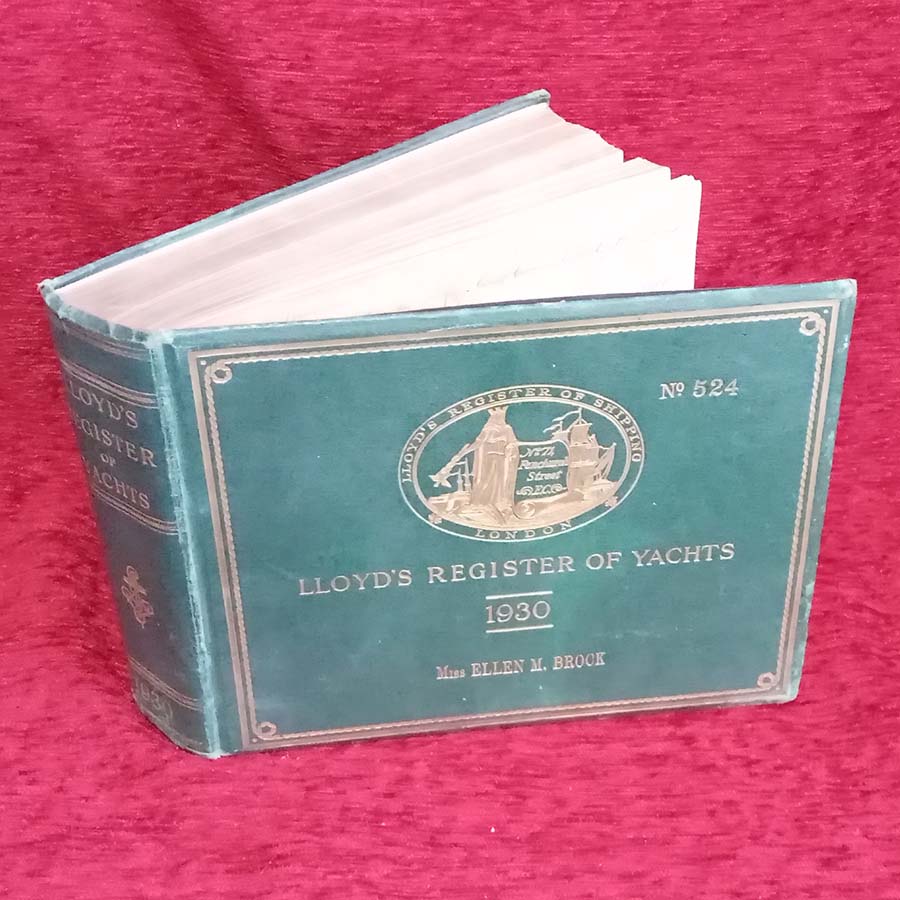
The "Lloyds Register of Yachts - 1930" is an intriguing cultural artefact that encapsulates the maritime spirit of its time. This comprehensive directory serves not only as a catalogue of yachts but also as a reflection of the boating culture and the evolution of leisure activities in the early 20th century. Its cover design—though perhaps not striking by modern standards—exudes a certain charm that invites the reader to explore the world of yachts, complete with an understated elegance that is characteristic of the era. The binding, typical of publications from the early 1930s, features a sturdy yet flexible paperback, giving it a tactile quality that is both inviting and nostalgic.
The interior pages are filled with meticulous details about various yachts, including specifications, ownership, and registration data. The typesetting is clean and utilitarian, reflecting the practical nature of the information contained within. This publication provides insight into the boating trends of the time, showcasing the rise of private yacht ownership as a status symbol among the upper classes. The illustrations, while not overly elaborate, offer a glimpse into the design aesthetics of the period, highlighting the craftsmanship and innovation that defined yacht building in the early 20th century.
Published in 1930, this directory arrived at a time when the world was still reeling from the aftermath of World War I and on the cusp of significant social change. The 1930s were marked by a growing interest in leisure activities among the affluent, as well as advancements in technology that allowed for more sophisticated yacht designs. This book can be seen as both a product of its time and a precursor to the more extravagant yacht culture that would develop in subsequent decades. The economic climate of the era, alongside the burgeoning middle class, contributed to an increased fascination with yachting, making this register a valuable snapshot of a shifting cultural landscape.
As for the author, Lloyds is widely recognised in maritime circles, primarily known for its long-standing role in the marine insurance industry and vessel classification. However, the specifics surrounding the team's individual contributions to this publication remain somewhat obscure. The absence of individual authorship points to a collective effort by the organisation, which has been integral in shaping maritime safety and standards. While Lloyds has a storied history that dates back to the 18th century, the details of the individuals involved in producing this specific register are not well-documented. It is a testament to the institution rather than to any singular author, which is not uncommon for technical publications of this nature.
In terms of print culture, the "Lloyds Register of Yachts - 1930" sits within a niche but important segment of publishing dedicated to maritime interests. During this period, such registers were vital tools for boat owners, manufacturers, and enthusiasts alike. They served not only as directories but also as records of maritime evolution, documenting changes in design, technology, and ownership over time. The 1930 edition is particularly notable as it precedes a decade that would see significant developments in both yacht design and ownership patterns, marking a turning point in leisure boating.
This particular register has become a collector's item, appealing to both historians and yachting enthusiasts. Its value lies not only in the information it contains but also in the way it captures a snapshot of a unique time in maritime history. The book serves as a bridge between the past and present, allowing readers to appreciate the roots of modern yachting culture and the societal shifts that have influenced it.
In conclusion, the "Lloyds Register of Yachts - 1930" is much more than just a directory; it is a cultural object that encapsulates a significant point in time for leisure boating. Its design, content, and context provide a fascinating glimpse into the era's maritime culture, while the obscured authorship highlights the collaborative nature of technical publications. For those interested in the evolution of yachting and the cultural nuances surrounding it, this register is an essential addition to any collection. Crappy Old Books celebrates such unique artefacts, reminding us of the rich tapestry of print culture that defines our understanding of history.