AI-assisted note, based on the text and a physical inspection of this copy.
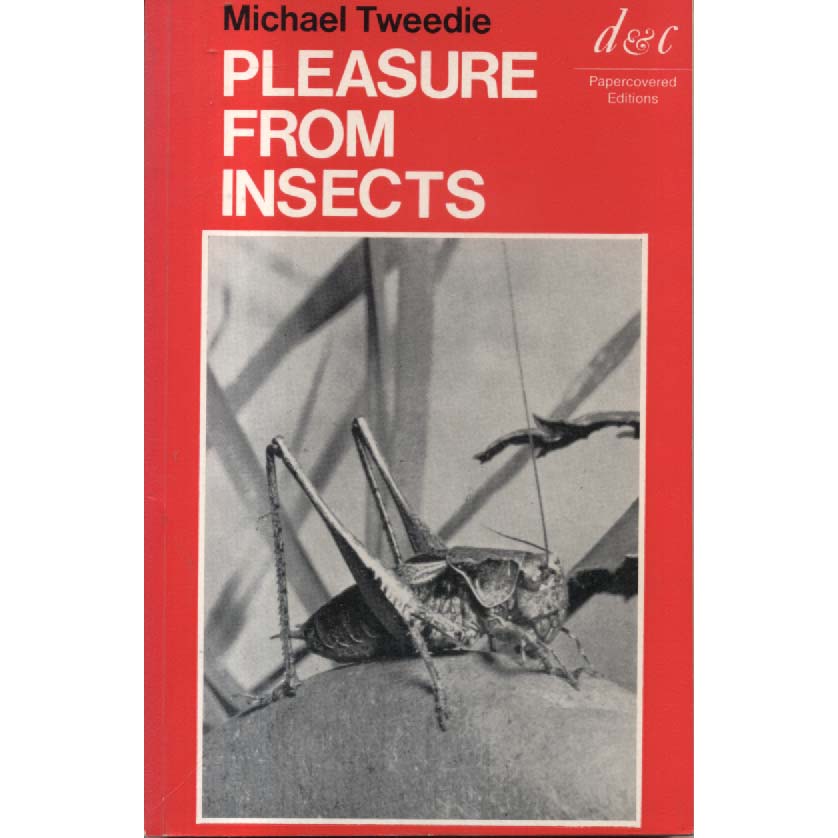
"Pleasure From Insects" by Michael Tweedie is a curious entry in the realm of entomological literature, published in 1968 by David and Charles. This book presents a fascinating yet niche exploration of the relationship between humans and insects, a theme that has only grown more relevant with contemporary ecological concerns. The cover design features an illustration of various insects, rendered in a somewhat whimsical style, typical of the era's fascination with natural history. The paperback edition has a slightly worn feel, embodying the charm and tactile quality of mid-20th-century print culture, which often prioritised accessibility in both content and format.
The book's content is an intriguing blend of scientific observation and personal reflection, inviting readers into a world that many might find off-putting or trivial. Tweedie's writing oscillates between an earnest appreciation of insects and an attempt to contextualise their role in human pleasure and culture. His prose is accessible, though at times it can veer into the realm of the overly enthusiastic, which may alienate readers who do not share his passion for the subject. The book encompasses various aspects of entomology, including the historical significance of insects in human societies and their role in art and literature, providing a compelling perspective that is both informative and engaging.
Michael Tweedie appears to be a somewhat obscure figure within the literary and scientific community, with limited documentation available regarding his life and career. His contributions to entomology and popular science may not have garnered widespread recognition, leaving a gap in biographical details. This absence of comprehensive information leads to speculation about his influence or legacy within the field. Despite this, "Pleasure From Insects" stands as a testament to his enthusiasm for the subject, suggesting a genuine passion for bridging the gap between science and the general public.
The year 1968 is significant in various cultural contexts, particularly as it marked a period of social upheaval and change. The counterculture movement was gaining momentum, promoting new ways of thinking about nature, ecology, and the human experience. This backdrop likely influenced Tweedie's work, as the 1960s saw a shift in how people perceived their relationship with the environment. The rising interest in ecology during this time may have given the book a sense of urgency, as it aimed to cultivate a deeper appreciation for insects that were often overlooked or misunderstood. "Pleasure From Insects" not only reflects the era's curiosity but also hints at a burgeoning awareness of ecological interconnectedness, which resonates with contemporary environmental discourse.
The overall presentation of "Pleasure From Insects" is characteristic of its time, with a layout that prioritises readability and engagement. The typesetting is simple yet effective, allowing the text to take centre stage while illustrations complement the narrative. This balance between visual and textual elements invites readers to explore the subject matter more intimately. The book's design, though not particularly groundbreaking, embodies the ethos of popular science publications of the late 1960s, where the goal was to educate and entertain simultaneously.
One cannot help but appreciate the charm of reading a book from this era, where the aesthetic of the paperback was integral to its appeal. The slightly yellowed pages and the faint smell of aged paper evoke nostalgia for a time when books were often cherished objects. Owning "Pleasure From Insects" feels akin to possessing a piece of cultural history, a reminder of the evolving relationship between humans and the natural world. Its presence on a bookshelf serves as a conversation starter about the complexities of our ecological connections and the often-overlooked significance of insects in our lives.
In conclusion, "Pleasure From Insects" by Michael Tweedie, while perhaps not a staple of modern entomological literature, provides a unique and enjoyable perspective on a subject that is both niche and increasingly relevant. Its publication in 1968 situates it within a transformative cultural landscape, one that was beginning to recognise the importance of ecological awareness. Tweedie's somewhat obscure status does not diminish the book's charm; rather, it adds to its allure as a relic of a time when the natural world was viewed through a lens of curiosity and wonder. For those who appreciate the quirks of literary history, this volume is a delightful addition to any collection, exemplifying the ethos of Crappy Old Books and the whimsical exploration of the world around us.