AI-assisted note, based on the text and a physical inspection of this copy.
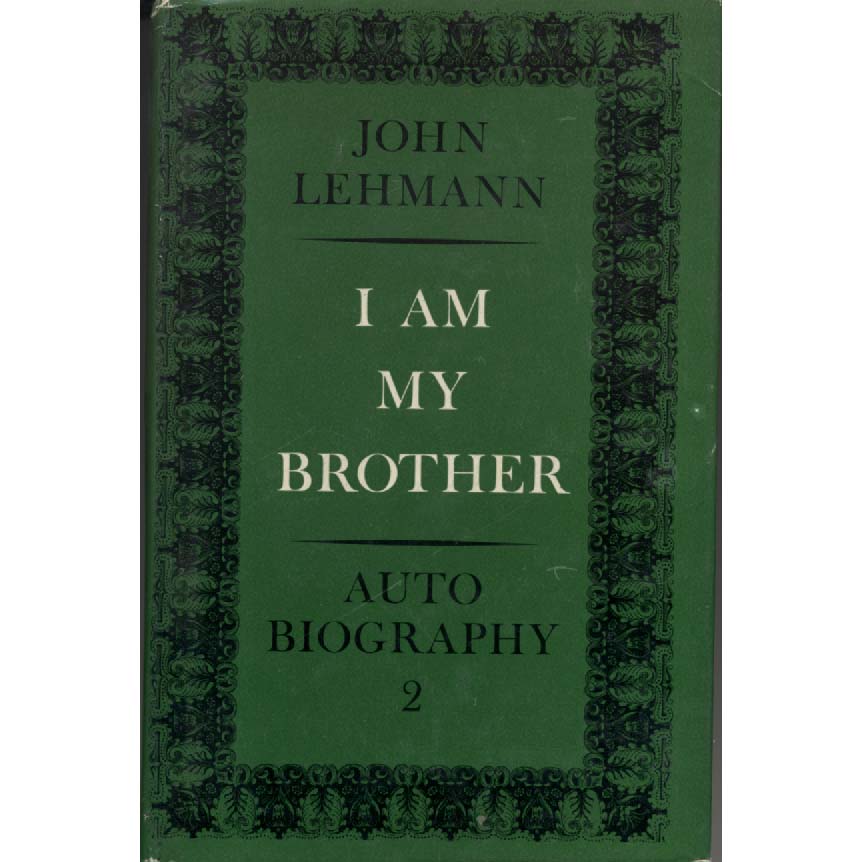
In the realm of mid-20th century literature, "I Am My Brother" by John Lehmann stands out not merely for its narrative ambitions but also for its presentation as a cultural artefact. Published in 1960 by Longman, this book reflects a specific moment in publishing history, encapsulating both the aesthetic and thematic concerns of its era. The cover design, although simple, is emblematic of the period's penchant for minimalism, often prioritising the text over flourish. The paperback vibe does not shy away from the utilitarian, embodying the transitional phase of literature as it moved towards a more mass-market appeal. The font choice and layout reflect a post-war sensibility, where clarity and accessibility took precedence over ornate designs. This aligns well with the broader trends in print culture during the 1960s, where the emphasis was increasingly on reaching the everyday reader rather than an elite audience.
John Lehmann, while not a household name, occupies a notable place in the literary canon of his time. Born in 1907, he was a British poet, novelist, and editor, contributing to various literary movements without being definitively tied to any single one. His work often explored themes of personal and social identity, reflecting the complexities of human relationships. However, information about Lehmann's life appears somewhat obscure, with limited documentation available on his influence or the breadth of his literary contributions. This absence of robust biographical detail leaves readers with a sense of curiosity about the man behind the text, inviting speculation but yielding little concrete insight. Despite this, his role in publishing, particularly through his editorial work, remains significant, as he championed various authors and helped shape post-war literary discourse.
The year 1960 was rife with cultural upheaval and change, both in Britain and worldwide. The post-war era was marked by a quest for new identities, particularly among the younger generation who had lived through the disillusionment of the Second World War. In literature, this was a time when traditional narratives began to be challenged, with writers exploring more fragmented structures and themes of existential angst. "I Am My Brother" can be viewed as a reflection of these societal shifts, grappling with themes of brotherhood, identity, and the search for meaning. The cultural landscape of the time encouraged a deep questioning of previously held values, and Lehmann’s narrative likely resonates with the uncertainties of a society in transition. The book's publication by Longman, a publisher known for its educational materials, also hints at an attempt to bridge the gap between literary fiction and broader educational themes, making it accessible to a wider audience.
As a cultural object, "I Am My Brother" embodies the tensions of its time—caught between the remnants of traditional literature and the burgeoning modernist sensibilities that characterised the 1960s. The very act of reading it evokes the sense of holding a piece of history, where the pages feel both familiar and distant. The texture of the paper, the weight of the book, and the smell of the ink all contribute to the sensory experience that defines reading older works. The book may not be a towering achievement in literary history, but it offers a snapshot of a changing world and the complex emotions that accompany such transformations.
Moreover, the exploration of brotherhood in the title suggests a deeper inquiry into familial bonds and the societal expectations surrounding them. This theme resonates even beyond its time, making it relevant for contemporary readers who continue to grapple with similar issues. Lehmann's choice to focus on such a personal topic invites introspection, encouraging readers to reflect on their own relationships and the societal constructs that govern them. The interplay between individual experience and broader societal narratives is a hallmark of good literature, and while "I Am My Brother" may not shine as brightly as other works from the period, it certainly contributes to the ongoing dialogue about identity and connection.
In conclusion, "I Am My Brother" by John Lehmann is more than just a book; it is a cultural artefact that encapsulates a significant moment in literary history. Its publication in 1960, against a backdrop of societal change, places it within a critical framework for understanding the evolution of narrative form and thematic exploration. While Lehmann himself may not be a widely recognised figure today, his work serves as a window into the complexities of human relationships during a time of upheaval. As readers engage with this text, they are not only experiencing a narrative but also participating in a larger conversation about identity, brotherhood, and the very act of storytelling itself. This exploration of the past is what Crappy Old Books aims to celebrate, reminding us that even lesser-known works can offer profound insights into our shared cultural heritage.