AI-assisted note, based on the text and a physical inspection of this copy.
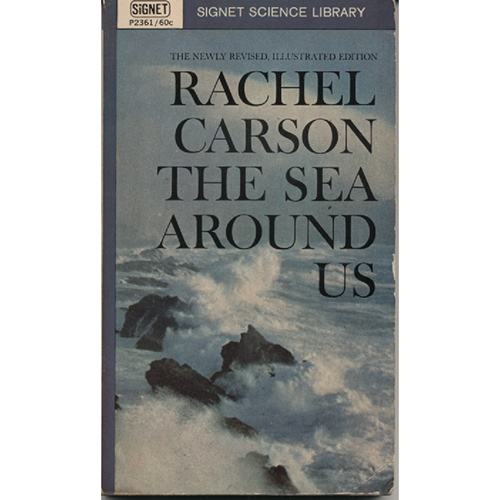
Published in 1963 by Signet, The Sea Around Us by Rachel Carson is a paperback that encapsulates the zeitgeist of its era while providing a glimpse into the natural world that is both poetic and scientifically informative. The cover design, typical of mid-20th century paperbacks, features a striking illustration of the ocean, inviting readers to explore its depths. The aesthetic is reminiscent of the period's fascination with nature and environmentalism, a theme that Carson championed throughout her works. The book’s format, with its well-worn paperback vibe, evokes a sense of accessibility, making complex scientific concepts digestible for the average reader. It is a testament to the growing interest in ecological issues during the 1960s, a time when the environmental movement was beginning to take root in public consciousness.
Rachel Carson, a marine biologist and conservationist, is widely recognised for her contributions to environmental science and literature. She is perhaps best known for her groundbreaking work, Silent Spring, which highlighted the dangers of pesticides and their impact on the environment. Carson’s writing style is both lyrical and precise, allowing her to bridge the gap between scientific jargon and layperson understanding. While she is celebrated in literary and environmental circles, detailed biographical information specific to her numerous publications before The Sea Around Us often appears sparse, focusing primarily on her later works. It is clear that Carson occupies a significant place in publishing history, particularly in the context of nature writing and environmental advocacy, yet the nuances of her earlier career may not be as thoroughly documented.
Released during a transformative period in American history, The Sea Around Us aligns perfectly with the cultural currents of the 1960s. The decade was marked by a growing awareness of ecological issues, civil rights movements, and a general questioning of authority. The publication of this book contributed to a burgeoning environmental ethos that would later culminate in the first Earth Day in 1970. Carson’s exploration of the ocean’s ecosystems resonated with a public eager for knowledge about the natural world, serving as both an educational resource and a rallying cry for conservation. The tone of the book reflects a deep reverence for nature, urging readers to appreciate and protect the delicate balance of marine life.
The narrative structure of The Sea Around Us is both engaging and informative, weaving scientific facts with vivid descriptions of oceanic phenomena. Carson meticulously details the complexities of ocean systems, from the tiniest plankton to the vast migrations of whales. This approach not only captivates the reader but also fosters a sense of responsibility for the environment. The language is rich and evocative, painting a picture of the ocean’s beauty and fragility. It is a call to action that has continued to inspire generations of readers to consider their relationship with nature and the impact of human activity on the planet.
As a cultural object, The Sea Around Us stands out for its role in shaping public discourse around environmentalism. The book has influenced countless readers, from students to policy-makers, and continues to be referenced in discussions about marine conservation. Its enduring relevance speaks to Carson’s ability to articulate the importance of ecological balance, a theme that resonates even more today as contemporary society grapples with climate change and biodiversity loss. The paperback's physicality, with its slightly faded pages and dog-eared corners, adds to its charm, embodying a history of readership that has passed through many hands over the decades.
In summary, The Sea Around Us is more than just a book; it is a cultural artefact that captures a pivotal moment in environmental history. Its publication in 1963 marked a significant step in the growing awareness of ecological issues, a theme that continues to gain traction in today's society. Rachel Carson’s legacy as a pioneering environmentalist is solidified through this work, as it merges scientific insight with a profound love for the natural world. For those exploring the realms of environmental literature, The Sea Around Us is an essential read that not only informs but also inspires action. This review has been brought to you by Crappy Old Books, where we delve into the cultural significance of literature from the past.