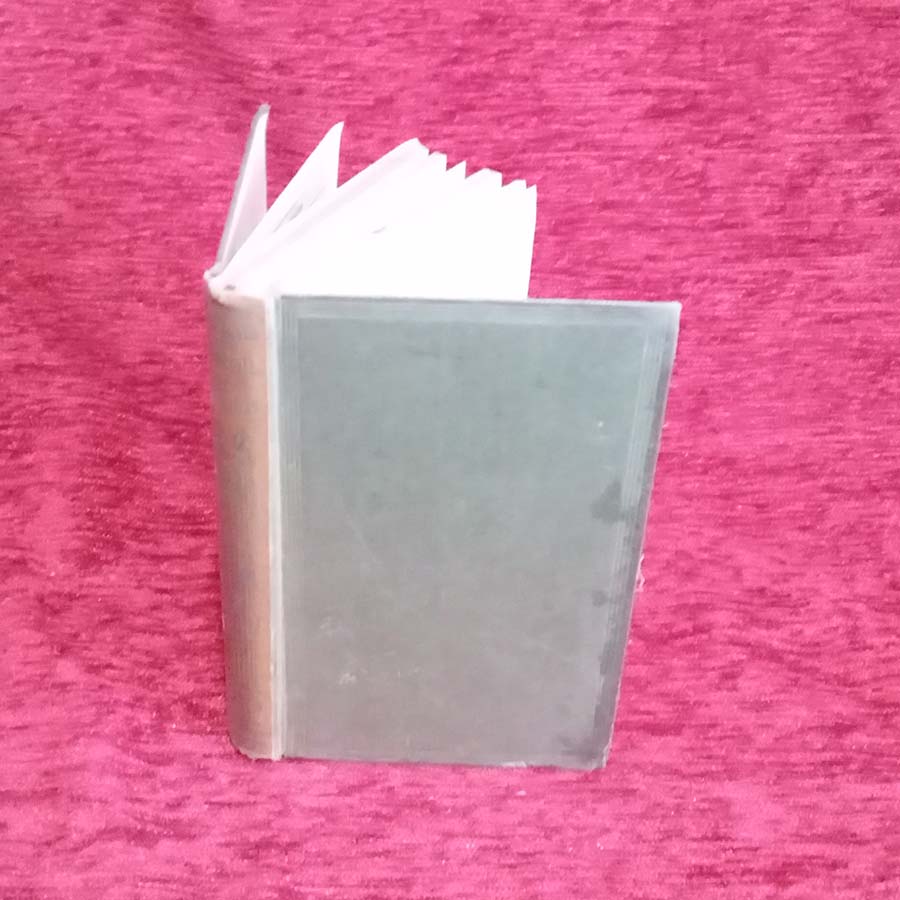
AI-assisted note, based on the text and a physical inspection of this copy.
The 1921 edition of "Poems of Virgil," published by Oxford University Press, presents a fascinating cultural artifact that encapsulates the enduring legacy of one of ancient Rome's most celebrated poets. The cover design of this particular edition, with its muted tones and classical motifs, immediately evokes a sense of antiquity and reverence for the literary canon. The paperback format, a common choice for the era, reflects the accessibility of classical literature during the early 20th century, when there was a burgeoning interest in reviving and rediscovering the literary treasures of the past. The textured paper and simple yet elegant typography add a tactile quality that enhances the reading experience, inviting readers to engage with the text in a manner reminiscent of earlier, more traditional forms of book production.
Virgil, born Publius Vergilius Maro in 70 BCE, is a towering figure in classical literature, best known for his epic poems "The Aeneid," "The Georgics," and "Eclogues." His work has profoundly influenced Western literature and has been a cornerstone of educational curricula for centuries. The poems in this collection likely reflect a selection of his most significant works, showcasing his mastery of language and thematic depth. While Virgil himself is a well-documented historical figure, the specific selection and translation in this edition may vary, depending on the editor's choices and cultural context at the time of publication.
The year 1921 falls within a unique cultural period marked by post-World War I sentiments, where there was a collective yearning for stability and a return to cultural roots. In the wake of the war, many intellectuals and artists sought solace in classical literature, viewing it as a source of wisdom and moral guidance. This edition of "Poems of Virgil" reflects that ethos, serving as a bridge between the tumultuous present and the seemingly more stable, orderly past that Virgil represents. The resurgence of interest in classical texts during the 1920s can be seen as part of a broader movement within literature and the arts, where modernist writers often grappled with the tension between tradition and innovation.
The condition of the book, with the inevitable signs of age, adds to its charm and authenticity. The yellowing pages and faint scent of old paper transport the reader back to a time when literature was often a communal experience, shared in quiet libraries or during intimate gatherings. This aspect of print culture, where the physicality of the book plays a crucial role in the reading experience, cannot be understated. It invites reflection on how the act of reading has evolved and how these tangible artifacts hold stories of their own, beyond the words printed on the pages.
In conclusion, "Poems of Virgil," as published by Oxford University Press in 1921, stands as both a literary and cultural monument, offering insight into the enduring power of classical poetry and its relevance in times of uncertainty. The book serves not only as a collection of Virgil's works but also as a reflection of the cultural zeitgeist of the early 20th century. For those interested in the intersections between literature, history, and the materiality of books, this edition is a valuable addition to any collection. Crappy Old Books invites you to explore such treasures, reminding us of the rich tapestry of literary history that continues to shape our understanding of the world.