AI-assisted note, based on the text and a physical inspection of this copy.
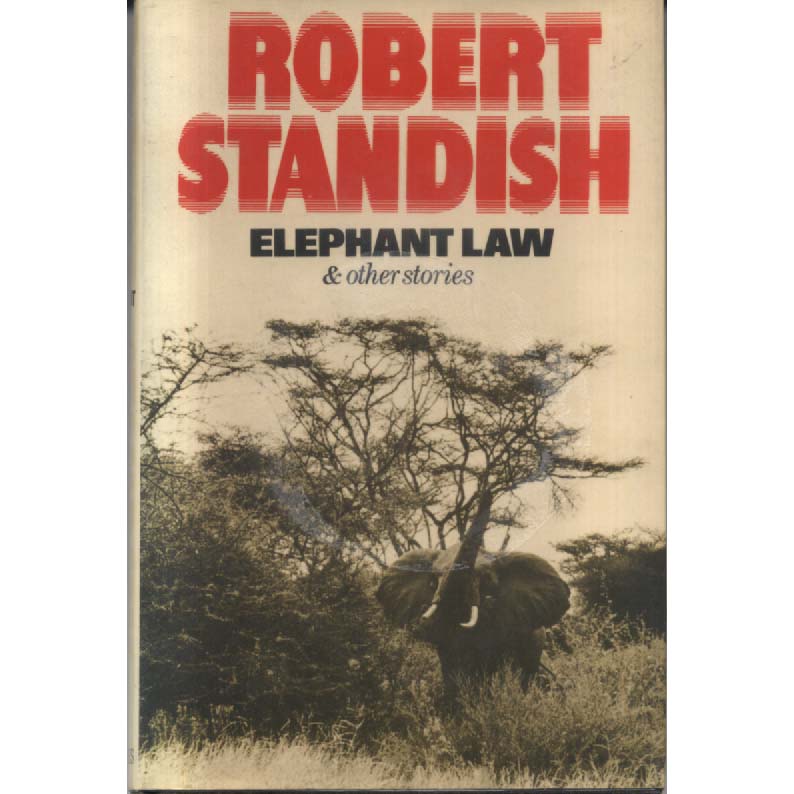
“Elephant Law and Other Stories” by Robert Standish is a curious gem from the late 1960s, a decade teeming with cultural upheaval and literary experimentation. The book is presented as a paperback, typical of its time, with a cover design that features a somewhat whimsical illustration of an elephant, which hints at the eccentricity of the stories within. The cover’s vibrant colours and playful typography draw the eye, suggesting a collection that combines humour with a touch of the absurd. The feel of the book in hand—its slightly worn paperback texture—evokes a sense of nostalgia, reminiscent of a time when readers often discovered tales in second-hand shops or at the back of dusty bookshelves. The design successfully encapsulates the spirit of the era, both inviting and mildly bewildering, much like the stories themselves.
Robert Standish, though not a household name, occupies a niche within the realm of British literature. He appears to be a somewhat obscure figure, with limited biographical details readily available. The absence of a comprehensive record on Standish suggests that he may have operated on the fringes of mainstream literary culture, perhaps carving his own path without the accolades typically associated with more prominent authors. His work, including “Elephant Law,” indicates a playful and sometimes surreal approach to storytelling, yet the lack of widespread recognition makes it challenging to place him firmly within the literary canon. It’s as if he eludes the grasp of literary historians, leaving readers to wonder about his influences and motivations.
Published in 1969, “Elephant Law and Other Stories” emerged during a transformative period in British culture. The late 1960s were marked by significant social change, with the counterculture movement challenging established norms and conventions. This backdrop likely influenced Standish's writing style and thematic choices, which often reflect a sense of absurdity and questioning of authority. The stories within this collection resonate with the zeitgeist of the time, exploring unconventional ideas and embracing a playful narrative style that mirrors the era’s embrace of experimentation in both literature and art. Readers in 1969 would have been navigating a world of political unrest, evolving gender roles, and a burgeoning interest in alternative lifestyles, all of which could have seeped into Standish's creative output.
The stories themselves vary in tone and theme, presenting a patchwork of whimsical narratives that often defy convention. Standish’s writing exhibits a characteristic lightness, a playfulness that invites readers to engage with the absurdities of life. However, this same quality can sometimes lead to a sense of disjointedness, as the narratives meander through surreal landscapes and quirky characters. While some readers may find joy in this unpredictability, others might struggle to connect with the stories on a deeper level, finding the lack of traditional structure disconcerting. The collection seems to oscillate between moments of genuine insight and instances of puzzling absurdity, leaving readers to navigate their own interpretations.
One notable aspect of “Elephant Law and Other Stories” is its ability to evoke a sense of nostalgia, not just for the era in which it was published but for the type of storytelling it represents. The whimsical nature of Standish's tales recalls a time when literature was often seen as a playground for the imagination, a space where the rules could be bent or broken. This collection serves as a reminder of the playful spirit that can be found in literature, even if it sometimes veers into the territory of the obscure and enigmatic. The stories seem to invite readers to embrace the ridiculous and the fantastical, echoing the experimental ethos of the 1960s.
As a cultural object, “Elephant Law and Other Stories” stands as a testament to the diverse literary landscape of its time. It encapsulates the spirit of experimentation that characterised the late 1960s, offering readers a glimpse into a world where storytelling could be both whimsical and thought-provoking. While Standish may not be a widely recognised name, his work contributes to the broader tapestry of British literature from this era, reminding us of the myriad voices that deserve to be explored and appreciated. Crappy Old Books presents this collection as a delightful exploration of absurdity and creativity, encouraging readers to delve into its pages and discover the unique charm of Robert Standish's storytelling.