AI-assisted note, based on the text and a physical inspection of this copy.
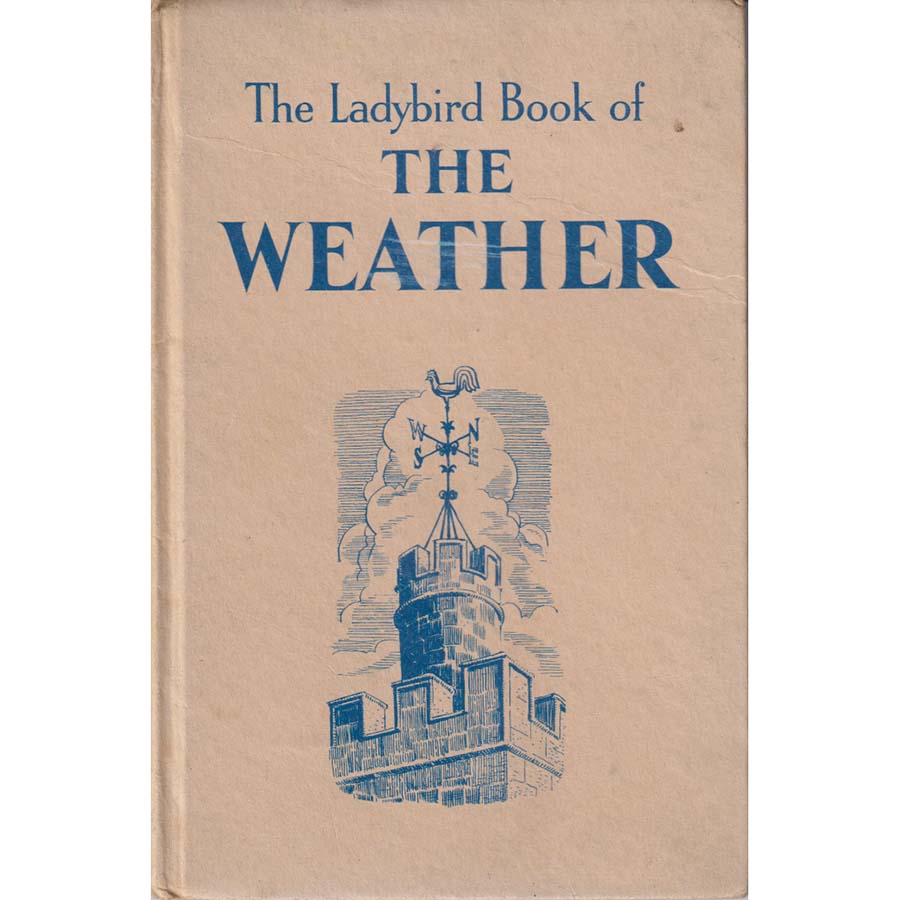
The Ladybird Book of the Weather, published in 1962 by Wills and Hepworth, is a delightful yet somewhat dated exploration of meteorological phenomena aimed primarily at children. With its charming illustrations and straightforward text, this book embodies the quintessential Ladybird style, which has long been synonymous with educational literature for young readers. The cover design features a bright and engaging depiction of various weather elements, appealing to the curious minds of children. The aesthetics of the book evoke a sense of nostalgia, encapsulating the mid-20th century British approach to teaching, where clarity and simplicity were paramount.
As a cultural artefact, The Ladybird Book of the Weather serves as a window into the educational values of its time. The illustrations are vibrant, yet they reflect a certain naïveté about the complexities of weather phenomena. Each page contains a blend of text and images that aim to explain concepts such as rain, sunshine, and snow in a manner that is easily digestible for its young audience. The use of primary colours alongside bold illustrations contributes to a tactile, inviting experience that is characteristic of the Ladybird series. However, for modern readers, the lack of depth and scientific rigour may come across as overly simplistic, positioning the book firmly within its era while raising questions about the evolution of educational content in children’s literature.
The authors, FE Newing and Richard Bowood, appear to be relatively obscure figures in the realm of publishing. While both names are tied to the Ladybird series, there is scant documentation detailing their contributions beyond this specific volume. It is plausible that they were part of a collective of writers and illustrators who contributed to the series, as many Ladybird titles were produced by various authors and artists during the post-war period. Their collaborative work reflects the publishing culture of the time, which often prioritised accessibility and educational value over individual authorial recognition. This collective approach aligns with the ethos of Ladybird books, designed to be approachable and informative for young readers, rather than showcasing the distinct voice of a single author.
The year 1962, when this book was released, was a time of considerable social and cultural change in Britain. The post-war era was characterised by a desire for stability and growth, with an increasing focus on education and the nurturing of young minds. The Ladybird series emerged during this period as a trusted source of knowledge for children, reflecting the values of a society that was keen to foster learning in a rapidly changing world. In the context of the 1960s, The Ladybird Book of the Weather not only serves its educational purpose but also acts as a historical document that captures the zeitgeist of a nation striving for progress while holding onto traditional values.
While The Ladybird Book of the Weather may not provide the scientific depth that contemporary readers might expect, it is an endearing relic of its time. It encapsulates a specific approach to children’s education that prioritised engagement over complexity, making it a beloved volume for those who grew up with Ladybird books. The charming illustrations and simple explanations invite readers to explore the natural world, albeit through a lens that may now seem quaintly outdated.
In conclusion, The Ladybird Book of the Weather stands as a testament to the educational practices of the 1960s, offering a unique glimpse into the past. It exemplifies the ethos of the Ladybird series, which continues to hold a cherished place in British literary culture. Despite its limitations, it remains a delightful addition to any collection of Crappy Old Books, serving both as a nostalgic piece and a cultural artefact from a bygone era.