AI-assisted note, based on the text and a physical inspection of this copy.
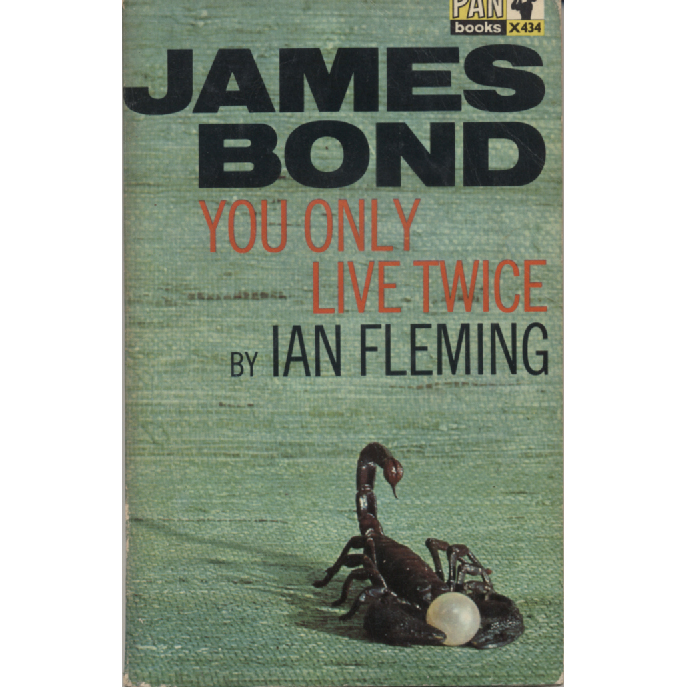
Ian Fleming's You Only Live Twice, published in 1966 by Pan Books, presents a curious blend of the Cold War's anxieties and the burgeoning cultural shifts of the 1960s. As the twelfth novel in the James Bond series, it encapsulates the quintessential elements of Fleming's style: thrilling escapades, exotic locales, and a portrayal of masculinity that is both alluring and problematic. The cover design, typical of the era, features bold, vibrant colours and striking imagery that beckons readers into a world of espionage and glamour, though it also exemplifies the somewhat kitsch aesthetic that characterises many mid-century paperbacks. The paperback format, with its slightly worn edges and the smell of aged paper, adds a nostalgic charm that enhances the reading experience, making one feel part of a bygone literary culture.
The author, Ian Fleming, is a well-documented figure in literary history. Born in 1908, he was a British naval intelligence officer during World War II, which undoubtedly influenced his writing. Fleming created the James Bond character in 1953, and the series quickly gained immense popularity, leading to a legacy that has permeated popular culture through films, merchandise, and various adaptations. His distinctive style, characterised by vivid descriptions and a penchant for intricate plots, set a standard for spy fiction that many have attempted to emulate. However, while he remains a significant figure in the genre, his depictions of gender and race have come under scrutiny in recent years, prompting discussions about the cultural implications of his work.
Published in the midst of significant global upheaval, 1966 was a year marked by the United States' involvement in Vietnam, the rise of counterculture movements, and the ongoing tensions of the Cold War. This context is essential for understanding the themes of You Only Live Twice, as it reflects an era grappling with concepts of loyalty, betrayal, and the complexities of international relations. The novel’s exploration of identity—particularly through Bond's journey into Japan and his encounters with the local culture—serves as a backdrop for the broader societal shifts occurring at the time. The book captures a transitional moment when traditional notions of heroism were being challenged by the growing awareness of moral ambiguity in global politics.
The narrative itself delves into themes of loss and renewal, following Bond as he embarks on a mission that takes him to Japan after a personal tragedy. This journey is not merely physical; it also signifies an internal struggle, reflecting the cultural zeitgeist that questioned established norms. Fleming's portrayal of Eastern culture, while exoticising at times, also attempts to embed Bond within a complex landscape of alliances and rivalries, albeit through a lens that can be described as limited by modern standards. The blend of action, romance, and espionage creates a compelling read, even if certain depictions feel dated and problematic today.
The cover art of the Pan Books edition features a striking illustration that captures the essence of the story: a mix of danger and allure. The artwork often reflects the era's fascination with the Orient, showcasing bold colour contrasts and an almost psychedelic vibe that was prevalent in the 1960s. This visual representation resonates with the novel's themes, drawing readers into a world where danger lurks beneath the surface of beauty. The tactile experience of the paperback, with its slightly worn cover and crisp pages, invites readers to engage with the text in a way that digital formats often do not replicate.
As a cultural object, You Only Live Twice embodies the complexities of its time, showcasing both the escapism offered by fiction and the underlying societal tensions that shaped its narrative. It serves as a reminder of the genre's roots while also prompting critical reflection on how far we have come in our understanding of representation in literature.
In conclusion, You Only Live Twice is a quintessential example of Ian Fleming’s contribution to the spy fiction genre, encapsulating the excitement and challenges of its era. While the book may not stand up to contemporary literary scrutiny in every aspect, its cultural significance cannot be denied. It remains a staple for fans of the genre and those interested in the evolution of popular literature. Crappy Old Books celebrates such works, inviting readers to explore the layers of history and cultural context that accompany them.