AI-assisted note, based on the text and a physical inspection of this copy.
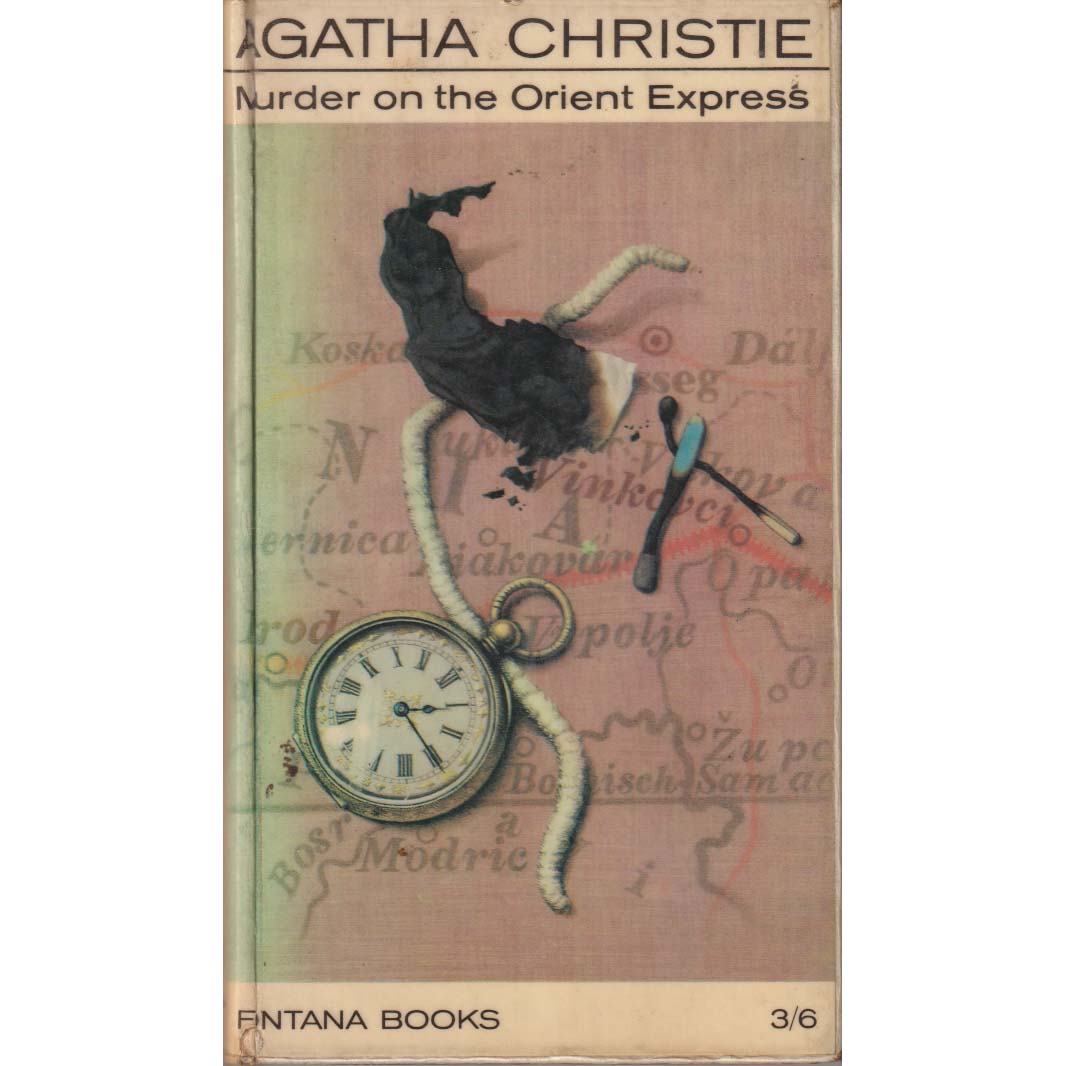
When flipping through the pages of Agatha Christie’s Murder on the Orient Express, one cannot help but appreciate the iconic status this work has achieved in the realm of detective fiction. The book, published in 1964 by Fontana Books, is a classic example of Christie's mastery of the whodunit genre, featuring a captivating plot that unfolds aboard the luxurious train traversing Europe. The cover design, a rather simplistic yet striking portrayal of the train set against a backdrop of snow, evokes a sense of nostalgia and intrigue, perfectly encapsulating the essence of a murder mystery. The paperback edition has that familiar, well-worn feel that many readers associate with the genre, enhancing the experience of diving into Christie's world of clever twists and turns.
Christie herself is a monumental figure in literary culture, often heralded as the Queen of Crime. Born in 1890, she penned over 66 detective novels and 14 short story collections, becoming one of the best-selling authors of all time. Her works, including Murder on the Orient Express, have been translated into numerous languages, showcasing her widespread appeal. Christie’s remarkable ability to create intricate plots with memorable characters has left an indelible mark on the genre, influencing countless writers who followed in her footsteps. Despite her prominence, there seems to be a relative scarcity of detailed biographical information about her personal life, focusing instead on her prolific writing career. This lack of personal context, however, does little to overshadow her legacy as a master storyteller.
Published in 1964, Murder on the Orient Express arrived during a period marked by significant cultural shifts. The post-war era was a time of transformation, with society grappling with the consequences of the Second World War while also embracing advancements in technology and changes in social norms. The allure of the Orient Express, a symbol of luxury and adventure, resonated with readers seeking escapism from their everyday realities. Christie’s work cleverly plays on this desire, combining elements of suspense and glamour that were particularly appealing during this time. The book’s publication coincided with a growing fascination for travel literature and detective stories, which often served as a reflection of the complexities of human nature and morality.
The narrative structure of the novel is another aspect that deserves mention. Christie's signature style, characterised by her meticulous plotting and sharp dialogue, shines through as she introduces a cast of diverse characters, each with their own potential motives for murder. The slow revelation of clues and the gradual unfolding of secrets keeps readers engaged, making it a quintessential example of the locked-room mystery trope. Christie's ability to weave together the lives of her characters, each with their own hidden pasts, creates a rich tapestry that invites readers to ponder the nature of justice and the reliability of appearances.
While the themes of deception and betrayal resonate throughout the novel, the era of its publication also adds a layer of complexity to the narrative. The social dynamics of the 1960s, with their burgeoning movements for civil rights and gender equality, juxtapose the traditional values represented by the characters aboard the train. Christie navigates these waters with skill, allowing for a subtle critique of societal norms while still delivering an entertaining story. The characters are often archetypal, yet they embody the nuances of human behaviour that Christie so expertly captures, making them relatable even decades later.
As readers immerse themselves in the world of the Orient Express, they may find themselves reflecting on the broader implications of Christie's work within the context of its time. The tension between the glamorous exterior of the train and the dark undercurrents of murder serves as a metaphor for the complexities of human relationships and societal expectations. The book's ability to remain relevant and engaging, even in today's rapidly changing cultural landscape, speaks volumes about Christie's craftsmanship.
In conclusion, Agatha Christie’s Murder on the Orient Express is more than just a murder mystery; it is a cultural artifact that encapsulates the essence of its time while continuing to resonate with readers across generations. The book's design and presentation, combined with Christie's unparalleled storytelling abilities, create an experience that is both nostalgic and thought-provoking. For those who appreciate classic literature that challenges perceptions while entertaining, this novel remains a must-read. As this review on Crappy Old Books demonstrates, the enduring allure of Christie's work continues to captivate and inspire, reminding us of the timelessness of a well-crafted story.