AI-assisted note, based on the text and a physical inspection of this copy.
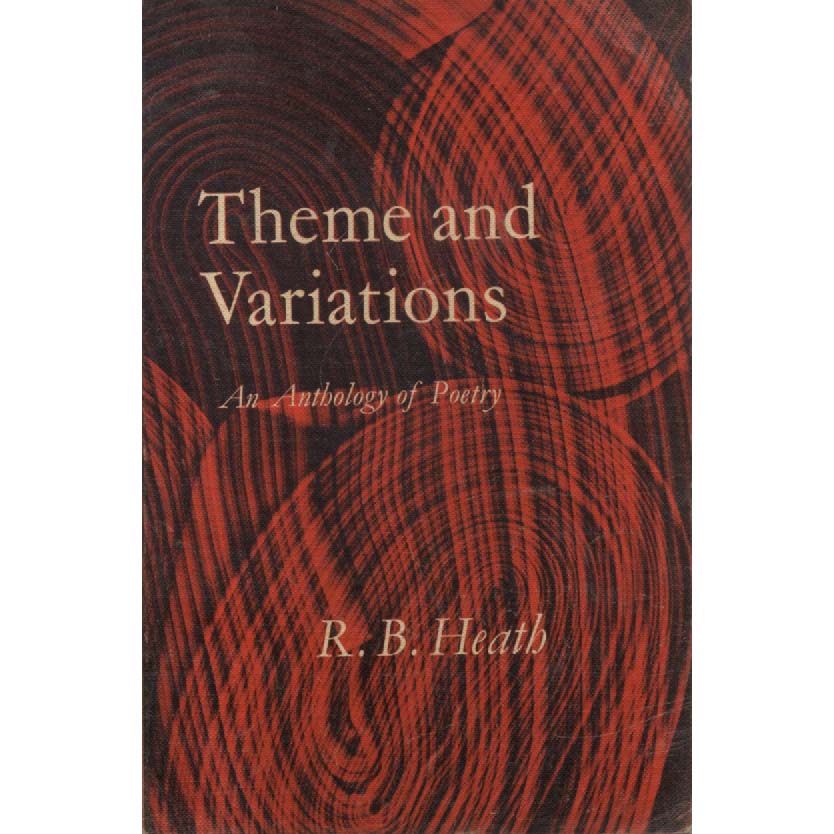
“Theme and Variations” by R.B. Heath, published in 1965 by Longmans, emerges as a cultural artifact that reflects the sensibilities and aesthetics of its time. The cover design captures the essence of the mid-20th century with its bold, abstract motifs, suggesting a sense of dynamism and intellectual engagement. The paperback format, slightly worn around the edges, evokes a nostalgic charm, reminiscent of the days when such volumes were prevalent in the hands of students and avid readers alike. The texture of the cover, with its matte finish, hints at a period when physical books were cherished objects rather than mere vessels of digital information. The overall design—including the typography and layout—serves as a window into the visual culture of the 1960s, a time when experimental art and literature were beginning to thrive.
R.B. Heath appears to occupy a rather obscure position in literary history, with limited documentation on his life and career. There is scant information available about him, which raises questions about his impact and legacy within the broader literary community. This lack of biographical detail makes it difficult to assess his influence or to understand his motivations for writing “Theme and Variations.” He seems to be one of those writers who have slipped through the cracks of mainstream literary recognition. His work, therefore, stands as a testament to the countless voices that contribute to the literary landscape, even if they remain uncelebrated. The absence of substantial critical discourse surrounding Heath might suggest that he was more of a niche writer, appealing to a specific audience without breaking into the collective literary consciousness typically reserved for more prominent figures.
Published in 1965, “Theme and Variations” arrives at a crossroads in cultural history, nestled within a decade marked by profound social upheaval, artistic experimentation, and a redefining of norms. The 1960s were a time of great change, with movements in civil rights, feminism, and counter-culture challenging traditional values. This cultural backdrop may have influenced Heath’s writing, even if the direct connections remain elusive. The literary scene of the time was rich with diverse voices exploring new forms and ideas, from Beat poetry to postmodern narratives. “Theme and Variations” could be seen as part of this wave, albeit perhaps as a quieter echo compared to the louder declarations of more famous contemporaries. The book's title itself suggests an exploration of themes and motifs that might resonate with the era's burgeoning sense of experimentation and diversity.
The narrative style and thematic content of "Theme and Variations" invite readers to ponder the complexity of human experience, reflecting the philosophical inquiries that were increasingly prominent in literature during the 1960s. The book’s structure may echo the musical concept of theme and variations, implying a nuanced exploration of ideas that evolve and transform throughout the text. Such a method could encourage readers to engage in a deeper analysis of the work, prompting discussions about the interplay of form and content, especially within the context of its time. Readers may find themselves contemplating how these themes resonate with contemporary issues, bridging the gap between past and present.
In summary, “Theme and Variations” presents itself as a curious piece of literature that merits exploration within the framework of cultural history. Its cover design and format reflect a bygone era, while the obscurity of its author, R.B. Heath, adds a layer of intrigue. The book stands as a testament to the rich literary tapestry of the 1960s, encapsulating the spirit of experimentation and intellectual pursuit that characterised the decade. For those interested in uncovering the lesser-known gems of literary culture, it serves as a reminder of the myriad voices that contribute to the ongoing dialogue of literature. In the realm of Crappy Old Books, this volume finds its place as a noteworthy artifact, inviting readers to delve into its pages and discover the themes that resonate within its variations.