AI-assisted note, based on the text and a physical inspection of this copy.
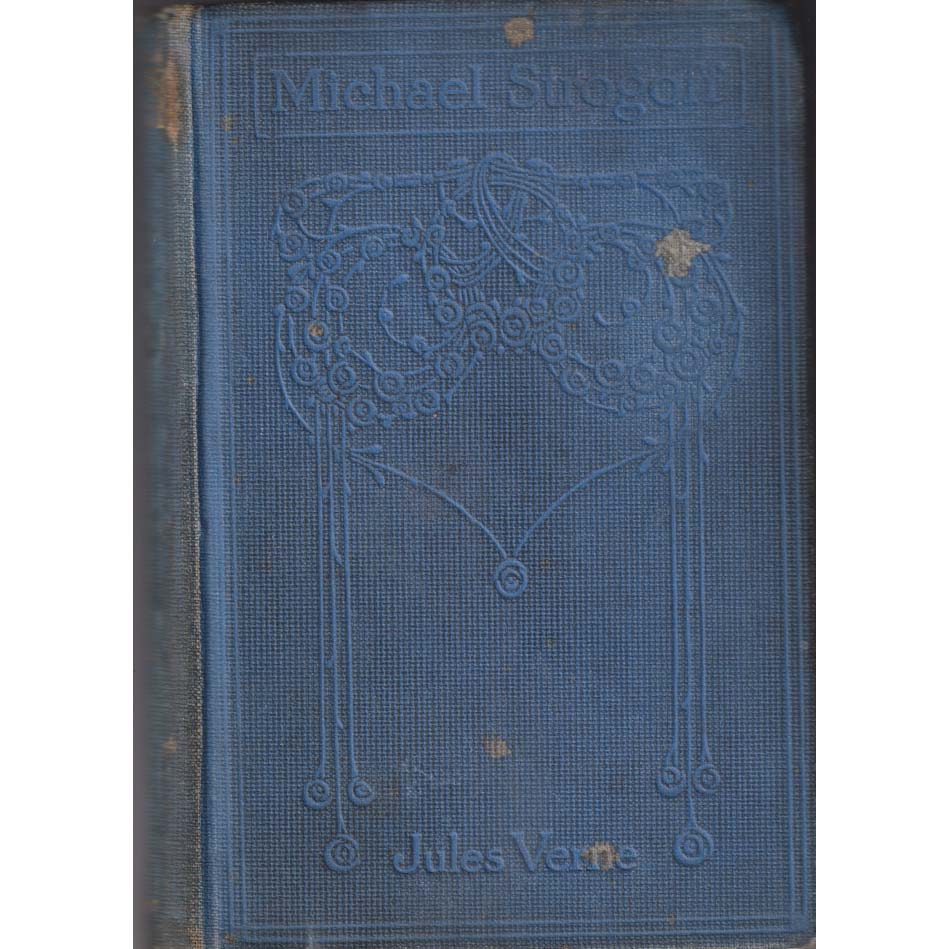
In the pantheon of adventure literature, few titles resonate with the same nostalgic charm as Jules Verne's "Michael Strogoff." Published by Thomas Nelson between 1905 and 1908, this novel encapsulates a bygone era of storytelling, where the thrill of exploration and the intricacies of human resilience were paramount. The cover design itself is a fascinating artifact from the early 20th century, typically adorned with bold illustrations and ornate typography that beckons readers with a promise of thrilling escapades. It embodies the spirit of its time, an invitation into the realms of exotic locales and daring feats, thus serving as a cultural object in its own right.
The paperback edition presents a certain tactile quality that is often missing from modern publications. The slightly yellowed pages and the musty scent evoke a sense of history, as if each reader before you has left a subtle imprint of their own journey through the text. The book's dimensions and weight reflect the era's publishing standards, which favoured substantial tomes that could withstand the rigours of time and eager hands. The typeface is carefully chosen, lending an air of gravitas to the narrative while simultaneously ensuring readability—a testament to the craftsmanship that characterized early 20th-century print culture.
Jules Verne, a titan of adventure fiction, is often celebrated for his pioneering contributions to the genre. Born in 1828 in Nantes, France, he is most renowned for his imaginative explorations of science and technology, often presaging inventions that would later come to fruition. His works, including classics like "Twenty Thousand Leagues Under the Sea" and "Journey to the Centre of the Earth," have cemented his legacy as a visionary. However, in the case of "Michael Strogoff," Verne's focus shifts towards the themes of patriotism and sacrifice, set against the backdrop of the vast Russian landscape. While Verne is widely known, his life outside the realm of literature has not been extensively documented, making him a somewhat enigmatic figure within literary circles.
Published in the early 20th century, "Michael Strogoff" reflects a world on the cusp of modernity, where the anxieties of imperialism and the allure of adventure coalesce. The narrative, set during the tumultuous times of the Russian Empire, resonates with a sense of urgency and nationalism, mirroring the contemporary political climate of its publication. This period was marked by rapid technological advancements, which Verne often wove into his narratives, showcasing the tension between progress and the inherent dangers it brings. The book not only captures the essence of its time but also serves as a window into the societal values and aspirations that defined an era.
The plot follows Michael Strogoff, a courier tasked with delivering critical information across the vast expanse of Siberia, amidst threats and obstacles that test his resolve and spirit. This narrative structure epitomises the classic hero’s journey, a trope that resonates deeply within the literary canon. Verne’s vivid descriptions of the Russian landscapes, combined with the tension of espionage and warfare, create an immersive experience for readers, who are transported into a world of danger and intrigue. The pacing is reminiscent of the serialized fiction popular in the 19th century, encouraging readers to turn each page with bated breath.
As an object of cultural significance, "Michael Strogoff" stands as a testament to the enduring legacy of adventure literature. Its presence in the library of any literary enthusiast is a nod to the foundational works that paved the way for modern storytelling. The book encapsulates the dreams and fears of a society grappling with change, while also serving as an exploration of human courage in the face of adversity. The physicality of the book, with its worn cover and creased pages, invites readers to engage with it not just as a narrative but as a historical artefact, a bridge between the reader and the past.
In conclusion, "Michael Strogoff" is more than just a tale of adventure; it is a cultural object that reflects the spirit of its time, embodying the themes of bravery and the quest for knowledge that Verne so passionately explored. It invites readers to immerse themselves in a world that is both foreign and familiar, where the stakes are high, and the journey is as significant as the destination. As with many entries reviewed on Crappy Old Books, this work serves as a reminder of the rich tapestry of literature that continues to influence and inspire generations.