AI-assisted note, based on the text and a physical inspection of this copy.
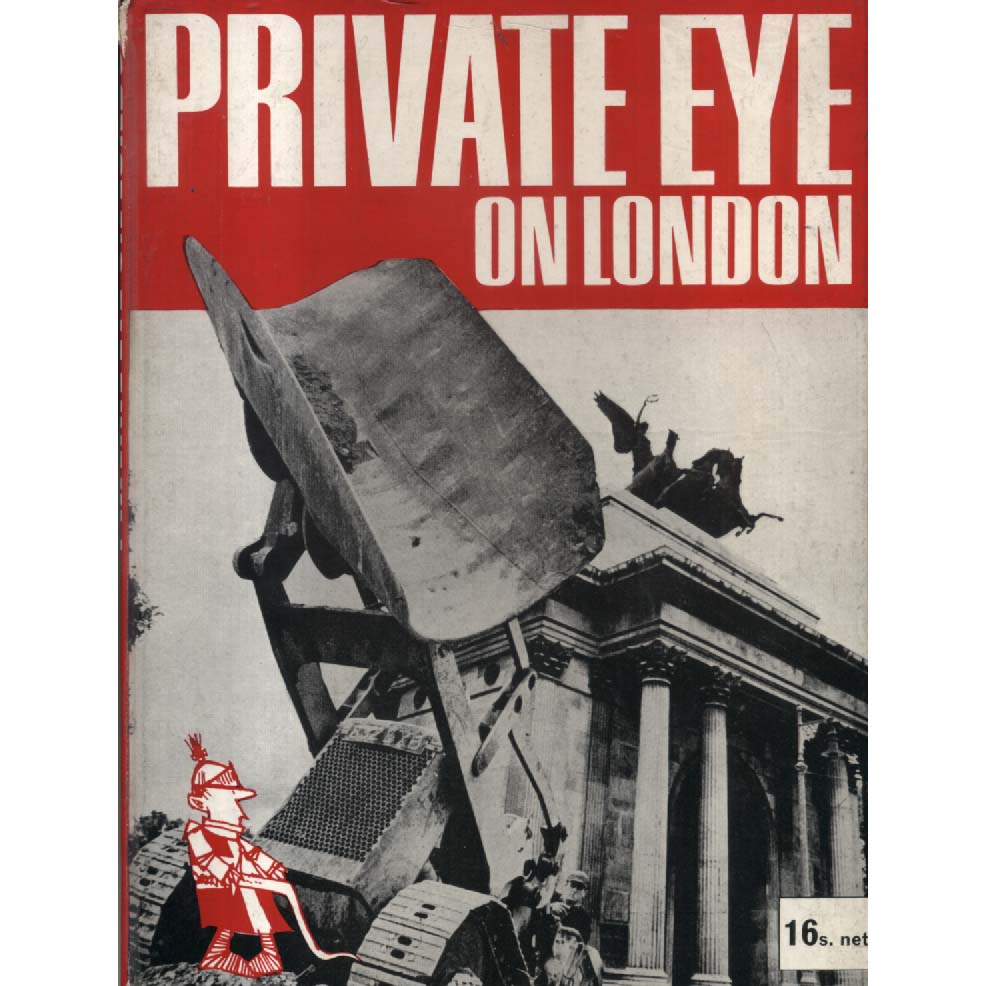
"Private Eye On London," published in 1962 by the notorious satirical magazine Private Eye, stands as a fascinating cultural artefact from a period rich in social and political upheaval in the United Kingdom. The book's cover design is distinctly emblematic of the era, featuring bold, vibrant colours and a striking illustration that immediately captures the reader's attention. It utilises the magazine's signature cartoonish aesthetic, which has become synonymous with its brand of irreverent humour and sharp social commentary. The paperback format is fitting for a publication that aims to reach a broad audience, aligning with the popular trend of the time that favoured accessible and affordable print media. The physicality of the book—its slightly worn pages and the scent of aged paper—adds to its charm, evoking the tactile experience of reading a period piece that has survived decades of political satire and commentary.
The author, or rather the collective behind "Private Eye," remains a somewhat enigmatic figure. Private Eye has been a staple of British satirical journalism since its inception in 1961, founded by a group of writers and cartoonists who sought to challenge the status quo. While individual contributors have varied and included some well-known figures in journalism and comedy, the publication itself is best understood as a collaborative effort rather than the work of a single author. This collective identity mirrors the ethos of the book, which is more about the commentary on society than any singular narrative or voice. The lack of a defined author underscores the collaborative nature of modern journalism and satire, allowing for a multitude of perspectives to shine through.
Published in 1962, "Private Eye On London" emerged during a time of significant cultural transformation in Britain. The early 1960s were marked by the swinging London phenomenon, a time when music, fashion, and youth culture experienced a vibrant renaissance. The book encapsulates the spirit of an era characterised by a burgeoning counterculture, political discontent, and a questioning of traditional norms. The satire within its pages reflects the societal changes occurring at the time, as well as public responses to political events such as the Suez Crisis and the rise of the Labour government under Harold Wilson. The publication tapped into the zeitgeist, providing a platform for dissenting voices and critical perspectives that resonated with a populace eager for change.
The content itself navigates a labyrinth of social commentary, poking fun at the figures and institutions that shape London life. The humour is sharp and often biting, employing irony and exaggeration to highlight the absurdities of contemporary life. Topics range from political corruption to celebrity culture, all delivered with a wit that is both entertaining and thought-provoking. The book serves not only as a humorous take on London but also as a historical document that captures the prevailing attitudes and issues of the time. Its pages are a testament to the power of satire as a tool for political engagement and social critique, revealing the complexities of life in a city that is often romanticised yet deeply flawed.
In terms of print culture, "Private Eye On London" fits snugly within the broader context of 1960s publishing. The proliferation of magazines and alternative media during this decade allowed for a diverse range of voices to emerge, challenging traditional journalism's authority. Private Eye was at the forefront of this movement, using its platform to not only entertain but also inform and provoke thought. The magazine's ability to blend humour with serious commentary made it a unique player in the media landscape, influencing subsequent generations of satirists and journalists. This legacy is palpable in the book, which captures the essence of a publication that continues to thrive, adapting to the ever-changing socio-political landscape.
In conclusion, "Private Eye On London" is more than just a satirical take on life in one of the world's most iconic cities; it is a cultural artefact that encapsulates a pivotal moment in British history. The book's design, content, and historical context all contribute to its significance within the canon of satirical literature. As we reflect on this work through the lens of Crappy Old Books, we are reminded of the enduring power of satire and its role in shaping public discourse. Whether you are a connoisseur of British humour or a casual reader, this book offers a window into the past, revealing the complexities of a city and its people through the eyes of those who dare to speak truth to power.