AI-assisted note, based on the text and a physical inspection of this copy.
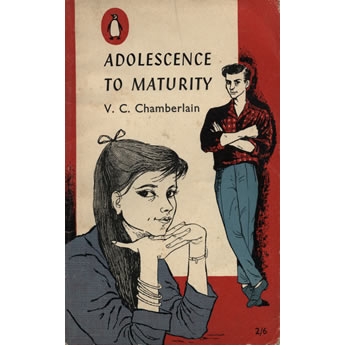
“Adolescence to Maturity” by VC Chamberlain, published in 1959 by Penguin Books, is a fascinating artifact that reflects the psychological and cultural attitudes of its time. The cover design, a minimalist yet eye-catching illustration typical of Penguin's mid-century aesthetic, features bold typography and a simple colour palette that captures the essence of the era. This paperback edition not only invites readers in with its promise of insight into the transitional phase of adolescence but also evokes a certain nostalgia for a time when psychology was becoming more mainstream, yet still retained an air of mystery and seriousness.
The book itself explores the complex journey from adolescence to adulthood, a theme that remains relevant across generations. Chamberlain's writing style is reflective and analytical, delving into the psychological underpinnings of the challenges faced during these formative years. The prose is laced with observations that resonate with both the struggles of youth and the societal expectations of maturity, making it a compelling read for parents, educators, and young adults alike. While the text may feel dated to contemporary readers, it serves as a window into the societal norms and expectations of the late 1950s, when the concept of adolescence was still being defined and understood.
VC Chamberlain, however, appears to be a somewhat obscure figure in literary culture. There is limited biographical information available about him, suggesting that he may not have achieved the same level of prominence as some of his contemporaries in the field of psychology or literature. This lack of documentation raises intriguing questions about his impact, or lack thereof, on the broader discourse surrounding adolescence and personal development. It is possible that he was a practitioner who sought to bridge the gap between academic psychology and the layperson, but without more substantial records, much of his significance remains speculative.
The year 1959 was pivotal in many ways. The post-war era was marked by a burgeoning interest in psychology and self-help literature, influenced by the rising popularity of Freudian and behaviourist theories. This period saw a cultural shift towards understanding and exploring the inner workings of the mind, particularly in relation to the youth of the era. The Baby Boomer generation was coming of age, and “Adolescence to Maturity” taps into the anxieties and aspirations of a society grappling with rapid change. The book serves not only as a guide for navigating the tumultuous years of youth but also as a reflection of the social dynamics that shaped the experiences of adolescents in the late 1950s.
In examining the print culture of the time, the 1950s were marked by a significant increase in the accessibility of literature through the paperback format. Penguin Books played a crucial role in democratizing literature, making it more affordable and widely available. “Adolescence to Maturity” fits neatly into this movement, appealing to a readership eager to engage with contemporary psychological thought. The very presence of this book on a shelf serves as a testament to the era's changing attitudes towards mental health and personal growth.
Interestingly, the themes explored in Chamberlain's work resonate with many of the societal conversations still prevalent today. The struggles of adolescents in finding their identity, understanding their emotions, and navigating societal expectations continue to be significant. In many ways, the book stands as a historical document, showcasing how perceptions around adolescence have evolved while also highlighting the enduring challenges young people face as they transition into adulthood.
Ultimately, “Adolescence to Maturity” is more than just a book; it is a cultural object that encapsulates a specific time and place in literary and psychological history. While VC Chamberlain may not be a household name, his work contributes to the ongoing dialogue surrounding youth and maturity. For those interested in the intersections of psychology, culture, and literature, this book offers a compelling glimpse into the past. Crappy Old Books invites readers to explore such forgotten gems, allowing us to reflect on how far we've come—and how much further we still have to go.