AI-assisted note, based on the text and a physical inspection of this copy.
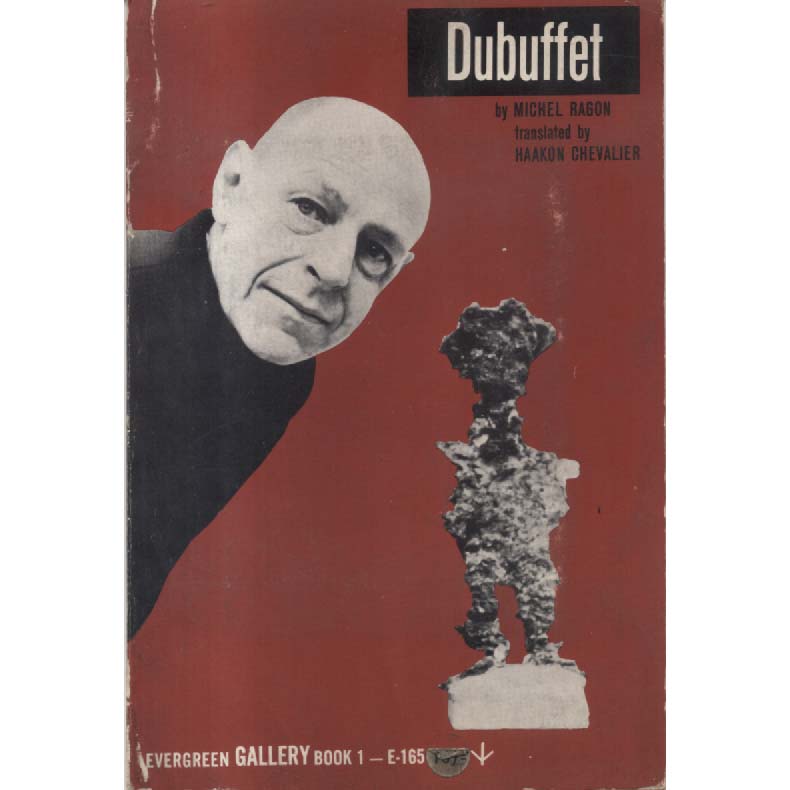
“Dubuffet” by Michel Ragon, published in 1959 by Evergreen Gallery, is an exploration of the work and philosophy of Jean Dubuffet, a pivotal figure in the post-war art scene. This book, presented in a modest paperback format, reflects the aesthetic sensibilities of its era, featuring a cover that showcases a striking piece of Dubuffet’s art. The design, with its bold colours and abstract forms, serves as a fitting introduction to the content within, while also embodying the spirit of the avant-garde movement that Dubuffet championed. The text is accompanied by a selection of images that illustrate Dubuffet’s radical approach to art, which rejected traditional aesthetics in favour of a more raw, instinctual creativity.
Michel Ragon remains a somewhat obscure figure, primarily known for his writings on modern art and culture. His contributions to the discourse around art during the mid-twentieth century are significant, yet he does not enjoy the same level of recognition as some of his contemporaries. Ragon's role as an art critic and historian places him within a niche of literary culture where he attempted to bridge the gap between art and its societal implications. While detailed biographical information on Ragon is limited, it is evident that he was deeply engaged with the artistic movements of his time, and his insights into Dubuffet's work reveal a thoughtful analysis of the artist's impact on the cultural landscape.
The year 1959 was a transformative period within the art world, marked by a burgeoning interest in new forms of expression as the aftermath of World War II led to a questioning of established norms. The rise of movements such as Art Brut, which Dubuffet famously promoted, reflected a desire to break away from elitist art traditions and embrace spontaneity and authenticity. This cultural backdrop is essential in understanding the significance of Ragon’s text, as it situates Dubuffet not merely as an artist, but as a revolutionary figure who sought to redefine what art could be. The book captures this zeitgeist, positioning Dubuffet’s work as a response to the disillusionment of the post-war era and an embrace of the unconventional.
“Dubuffet” serves as both an introduction and an homage to an artist whose methodologies were as much about philosophy as they were about technique. Ragon’s writing is accessible, aimed not only at art connoisseurs but also at the general public, making the complex ideas surrounding Dubuffet's art approachable. The author’s commentary on the nature of art and its relation to the human experience reflects the broader intellectual currents of the time, emphasising a shift towards valuing personal expression over technical skill.
The paperback format of the book enhances its accessibility, inviting readers to delve into a world of art that challenges conventional narratives. The tactile quality of the cover and the lightweight nature of the pages contribute to a casual reading experience, perfect for those who might be intimidated by more academic art texts. This aligns well with the ethos of the 1950s, a decade that saw a burgeoning interest in art among the general populace, spurred by the availability of publications that presented complex ideas in an engaging manner.
As an artefact, “Dubuffet” captures a moment in time when art was not just for the elite but was becoming part of the everyday conversation. The book’s publication by Evergreen Gallery, a publisher known for its focus on art literature, underscores its intention as a serious yet approachable contribution to the understanding of contemporary art. The interplay of text and image within its pages reflects a growing recognition of the importance of visual culture in shaping societal narratives.
In conclusion, “Dubuffet” by Michel Ragon is a significant cultural object that encapsulates the spirit of the late 1950s art scene. It offers insights into Dubuffet’s revolutionary approach and positions the artist within the broader context of post-war art movements. While Ragon may not be a household name, his thoughtful examination of Dubuffet’s work contributes to an ongoing dialogue about the nature and purpose of art. For those interested in exploring the intersections of art and culture, this book serves as a valuable resource, reminding us of the power of art to challenge, provoke, and inspire. Crappy Old Books celebrates such treasures, inviting readers to revisit works that, while perhaps overlooked, continue to hold relevance today.