AI-assisted note, based on the text and a physical inspection of this copy.
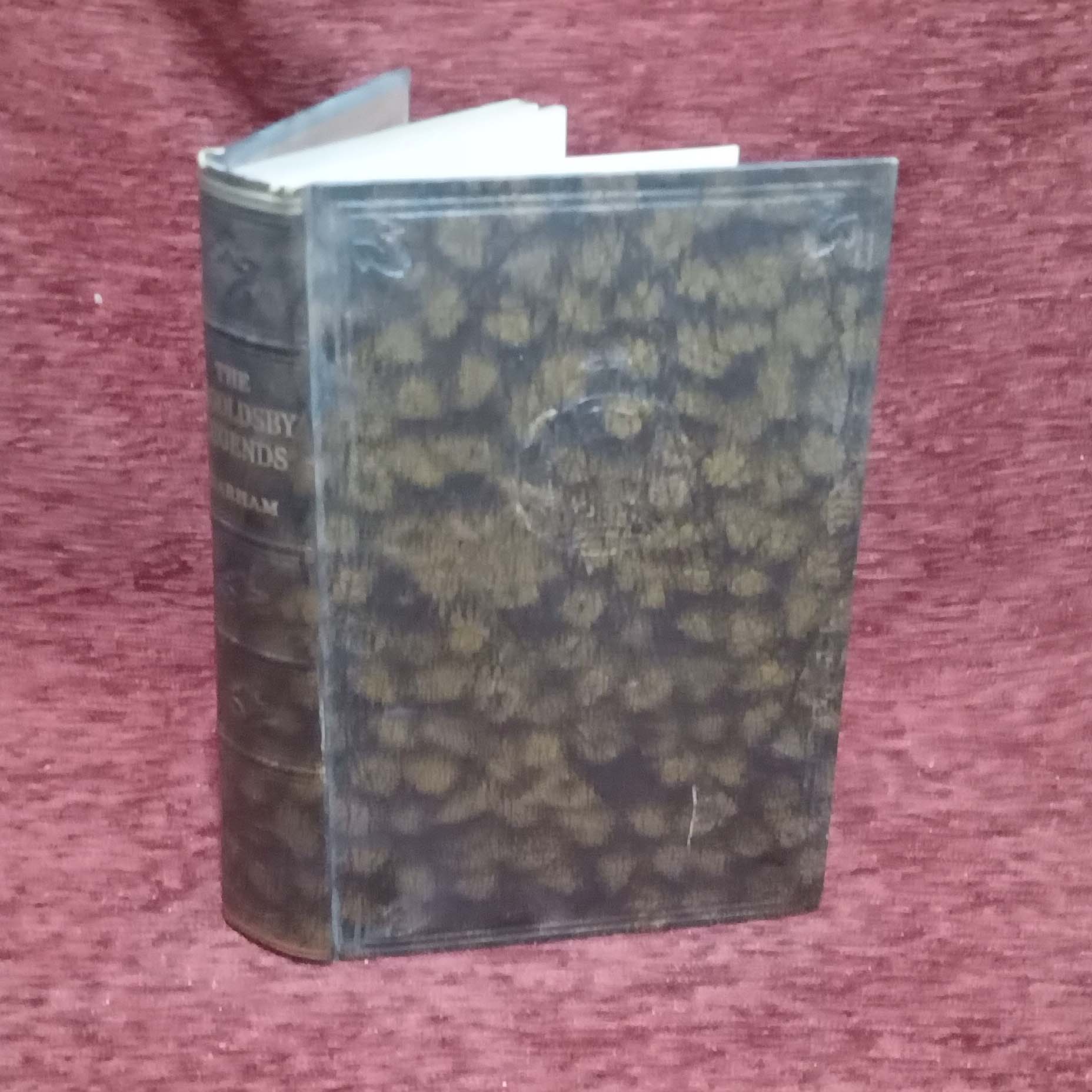
The Ingoldsby Legends is a curious artifact that serves as a fascinating glimpse into the literary culture of mid-20th century Britain. Published around 1950 by Odhams Press, this volume encapsulates a blend of folklore, humour, and the macabre, all wrapped up in the whimsical illustrations and prose that characterised Thomas Ingoldsby’s work. The book’s cover, adorned with intricate designs and an air of antiquity, invites readers to delve into a world that feels both familiar and strange, perfectly setting the stage for the odd tales within. The paperback format, with its slightly yellowed pages and a somewhat flimsy cover, carries the nostalgic vibe of post-war literature, evoking a time when readers sought both entertainment and escapism through the written word.
Thomas Ingoldsby, though widely recognised in certain literary circles, remains an enigmatic figure within the broader context of publishing history. Most notably, he is better known as Richard Harris Barham, who adopted the pseudonym Thomas Ingoldsby when publishing his stories. Barham was an Anglican clergyman whose literary career flourished in the early to mid-19th century, and his contributions to the genre of humorous poetry and gothic tales have left a lasting impression on subsequent writers. However, by the time of this 1950 publication, Ingoldsby’s popularity had diminished, relegating him to a somewhat obscure status in the annals of literary history, perhaps overshadowed by more prominent contemporaries. The reissue of his work by Odhams Press serves as a reminder of his once-celebrated contributions, even if they had faded from mainstream popularity.
The cultural landscape of 1950 was marked by a complex interplay of recovery and transformation following the devastation of World War II. This era saw the British public grappling with a longing for tradition and comfort, alongside a burgeoning desire for modernity and progress. The Ingoldsby Legends, with its roots in Victorian storytelling and its blend of traditional themes, seemed to resonate with a population yearning for both nostalgia and a touch of the eerie. The book's tales, often infused with moral lessons and a playful sense of the grotesque, reflect a transitional period where old-world charm met the anxieties of a rapidly changing society. The reappearance of such a work in a post-war context suggests a cultural desire to reconnect with the past, even as Britain was forging a new identity.
Visually, the book is a treat for the eyes, with illustrations that dance across the pages, complementing the text with a quirky charm that enhances the reading experience. The design choices of Odhams Press, with their emphasis on creating visually appealing editions, allowed The Ingoldsby Legends to stand out on the shelves, even amid a sea of other literary offerings. Each story is accompanied by whimsical drawings that capture the essence of the tales—an old-world style that invites readers to become immersed in the peculiarities of Ingoldsby’s universe. This attention to detail in design reflects a broader trend in the publishing industry during this time, where the visual appeal of a book was increasingly recognised as a crucial element in attracting readers.
As for the content, the stories within The Ingoldsby Legends range from the darkly humorous to the outright bizarre, often involving supernatural elements and traditional folklore. The narratives invite readers to question the nature of reality, morality, and the absurdities of human behaviour. They are an exploration of the uncanny, with each tale crafted to entertain while simultaneously proffering subtle critiques of society. This duality is characteristic of Ingoldsby’s style, blending light-heartedness with a darker undercurrent—an aspect that may resonate with modern readers as much as it did with those in the mid-20th century.
Despite the book's charm and historical significance, its relevance in contemporary literary discourse may be limited. The language and style reflect an earlier era, and while that may appeal to some, it also risks alienating readers who prefer more modern sensibilities. The humour, while clever, may appear dated to a contemporary audience, and the tales can sometimes feel repetitive or overly reliant on familiar tropes. Nonetheless, for those willing to engage with the text in the spirit of its original context, The Ingoldsby Legends offers a delightful escapade into the whimsical and the bizarre.
In conclusion, The Ingoldsby Legends stands as a testament to a unique moment in literary history, encapsulating the essence of a bygone era while inviting reflection on the nature of storytelling itself. The book serves as a cultural object that allows readers to traverse time, exploring the intersections of humour, folklore, and societal critique. It’s an essential addition to the collection of anyone interested in the oddities of literary history, especially those who appreciate the quirks of Crappy Old Books. This volume is not merely a book but rather a portal to a peculiar world, full of laughter and mystery, waiting to be rediscovered by curious minds.