AI-assisted note, based on the text and a physical inspection of this copy.
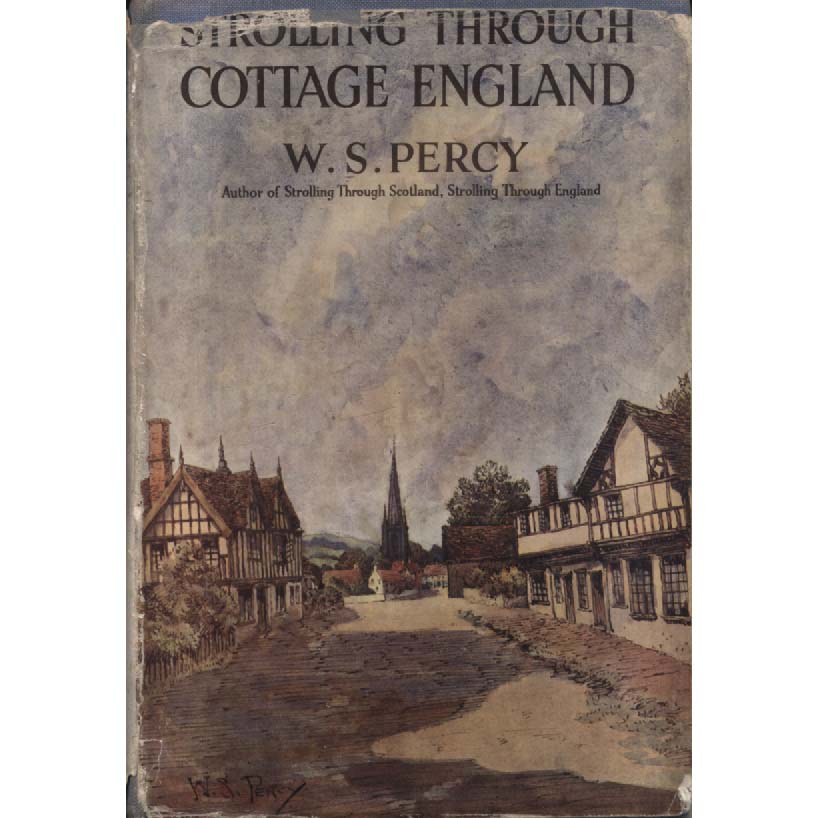
"Strolling Through Cottage England" by WS Percy, published in 1936 by Collins, presents itself as a quaint exploration of the pastoral charm and idyllic landscapes of rural England. The cover design, typical of the mid-1930s, features a charming illustration that captures the essence of the English countryside—a serene cottage surrounded by lush greenery and blooming flowers. The colour palette is soft and pastel, evoking a sense of nostalgia and warmth, inviting readers to delve into a simpler time. The paperback vibe of the book further enhances its appeal, providing a tactile connection to an era when literature often accompanied leisurely strolls through the countryside, much like the subject matter it embodies.
As for WS Percy, little is known about his life or broader contributions to literature. He appears to be a somewhat obscure figure, as records detailing his biography or literary significance are scant. This lack of information leads to speculation about his influences and the context surrounding his work. One can only wonder whether he was a passionate observer of rural life or merely a writer caught in the ebb and flow of a literary culture that valued pastoral themes during the interwar period. His absence from literary discussions suggests that, while he may have captured the spirit of the time, he did not leave a significant mark on the literary landscape.
The year 1936 sits at a fascinating crossroads in British culture, as the nation was grappling with the aftermath of the Great Depression and the spectre of impending global conflict. This period saw a resurgence of interest in the pastoral genre, as urbanisation and industrialisation led many to yearn for the tranquillity and simplicity of rural life. In literature, this manifested in a wave of works that idealised the countryside, often portraying it as a refuge from the chaos of modernity. "Strolling Through Cottage England" aligns perfectly with this cultural zeitgeist, offering readers an escape into a world that feels both comforting and reassuring amidst the uncertainty of contemporary life.
The content of the book itself reflects this longing for pastoral simplicity. Percy takes readers on a leisurely journey through various English cottages, each described with a level of detail that invokes the senses. The prose is infused with a sense of wonder and appreciation for nature, providing vivid imagery of flower-filled gardens and rustic architecture. His descriptions often evoke a feeling of serenity, allowing readers to imagine themselves wandering through these picturesque landscapes. However, one could argue that this idyllic portrayal may border on the idealistic, glossing over the realities of rural life during a time of economic hardship.
While the book is undoubtedly charming, it may not resonate with all readers. Those seeking a more profound exploration of rural life or a critique of the social issues of the time might find themselves wanting. The narrative is less of a rigorous examination and more of a gentle stroll, which may leave some feeling unsatisfied. Yet, for those who appreciate the simple pleasures of nature and the beauty of quaint English cottages, this book serves as a delightful escape.
In terms of print culture, "Strolling Through Cottage England" reflects the era's fascination with books that offered comfort and escapism. The popularity of such publications during the 1930s speaks to a societal desire to retreat from the complexities of modern life. The physicality of the paperback, with its slightly worn pages and delicate cover, adds to the sense of nostalgia, making it a fitting representation of its time. Readers who stumble upon this book may find themselves not only engaging with its content but also with the tangible remnants of a bygone era.
In conclusion, while WS Percy may not be a household name, "Strolling Through Cottage England" remains a quaint cultural object that encapsulates a particular moment in British literary history. Its exploration of pastoral themes, combined with the nostalgia of its publication period, creates a unique snapshot of the interwar years. Crappy Old Books serves as a reminder that even the lesser-known works can hold value and charm, inviting us to appreciate the simpler pleasures of literature and the beauty of the world around us.