AI-assisted note, based on the text and a physical inspection of this copy.
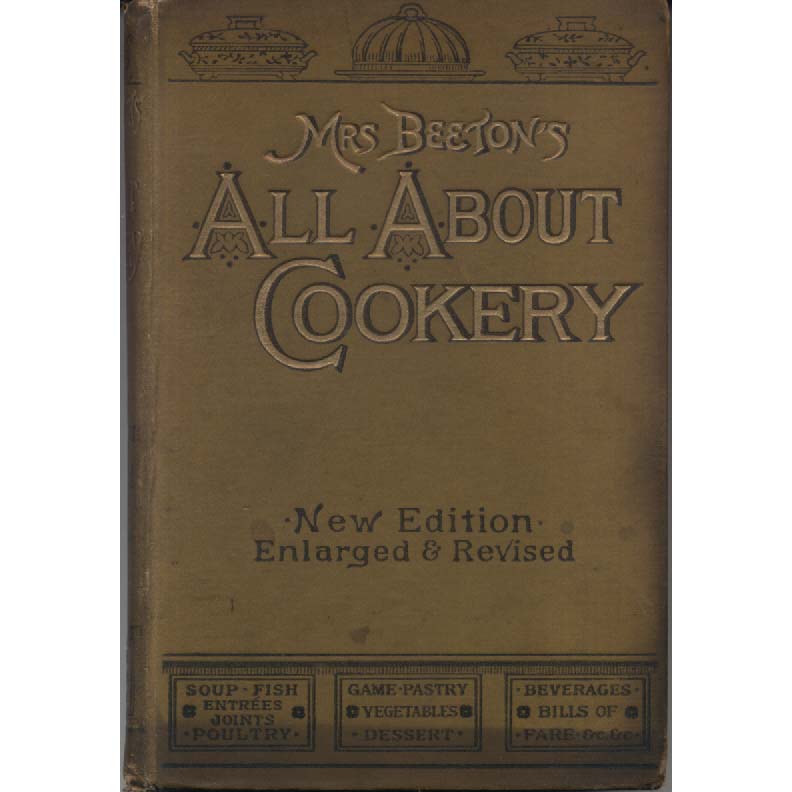
“Mrs Beeton’s All About Cookery” is a culinary tome that stands as a testament to the early 20th century’s obsession with domesticity and the ideal of the English housewife. The book is adorned with an ornate cover that features intricate motifs typical of the Edwardian era, evoking a sense of nostalgia and elegance. The paperback vibe is palpable, with the pages slightly yellowed and a faint smell of age wafting from the spine. This book, published by Ward Lock and Co around 1900, encapsulates a time when home cooking was not merely a skill but an art form, and Mrs Beeton herself became a household name synonymous with culinary authority.
Mrs Beeton—whose full name is Isabella Beeton—was born in 1836 and is most widely known for her earlier work, “Mrs Beeton’s Book of Household Management,” published in 1861. This book established her as a pioneering figure in the realm of domestic advice and cookery, marking her as a cornerstone of Victorian culinary literature. Yet, beyond her notable publications, little is documented about her personal life and career trajectory. The author appears somewhat enigmatic, with scant biographical details available, leaving her legacy largely defined by her contributions to cookery rather than her individual narrative.
The year 1900 was a pivotal moment in British culture, marked by the turn of the century and a burgeoning interest in culinary experimentation and household efficiency. The Victorian ideals of domesticity were still very much alive, but there was a shift towards modernity that began to influence cooking practices. This book reflects those changes, blending traditional recipes with emerging trends of the time, thus serving as an important cultural artifact. It offers a glimpse into the culinary expectations of the time, tying together the past and the future through its recipes and household tips.
“Mrs Beeton’s All About Cookery” is more than just a collection of recipes; it is a cultural object that highlights the evolving role of women in society and the growing appreciation for home economics. The book’s layout is straightforward, allowing readers to navigate through various sections with ease. Recipes are presented with an air of authority, often accompanied by practical advice on kitchen management, suggesting a holistic approach to cooking that was both aspirational and achievable for the average household. This duality may explain its enduring popularity, as it appeals to both experienced cooks and novices alike, positioning itself as an essential guide.
The recipes within the book range from traditional British fare to more exotic dishes, reflecting the imperial influences of the time. This diversity not only showcases the culinary landscape of early 20th-century Britain but also hints at the broader social changes occurring in the wake of the British Empire. The book serves as a culinary time capsule, preserving not only recipes but also the cultural nuances of the era. Each page invites the reader to not only prepare a meal but to engage with the historical context that shaped these dishes.
While the book’s cultural significance is undoubtedly rich, it is also important to address the limitations and biases inherent in Mrs Beeton's work. The recipes often reflect a middle-class perspective, which may alienate working-class readers who had different culinary needs and constraints. Furthermore, the book seldom acknowledges the contributions of women of colour or those from diverse backgrounds, presenting a somewhat narrow view of British cooking during the period. This lack of inclusivity is a reminder of the social hierarchies that permeated Victorian society, and by extension, the culinary world.
In terms of print culture, the book is emblematic of the late Victorian and early Edwardian publishing trends that sought to provide practical knowledge to the masses. The quality of the paper and the binding reflects a commitment to craftsmanship, appealing to an audience that valued both aesthetics and functionality. The illustrations, though limited, add a visual element that enhances the reader's experience, demonstrating the publisher's understanding of the importance of visual culture in cookery books.
Overall, “Mrs Beeton’s All About Cookery” stands as a cultural object that encapsulates the ideals of its time while also serving as a reminder of the complexities surrounding gender, class, and culinary practices in early 20th-century Britain. It invites readers to not only cook but to reflect on the societal norms and expectations that shaped their culinary experiences. In the grand tapestry of culinary literature, this book retains a significant place, and for those interested in the cultural history of cookery, it is certainly a worthy addition to their collection from Crappy Old Books.