AI-assisted note, based on the text and a physical inspection of this copy.
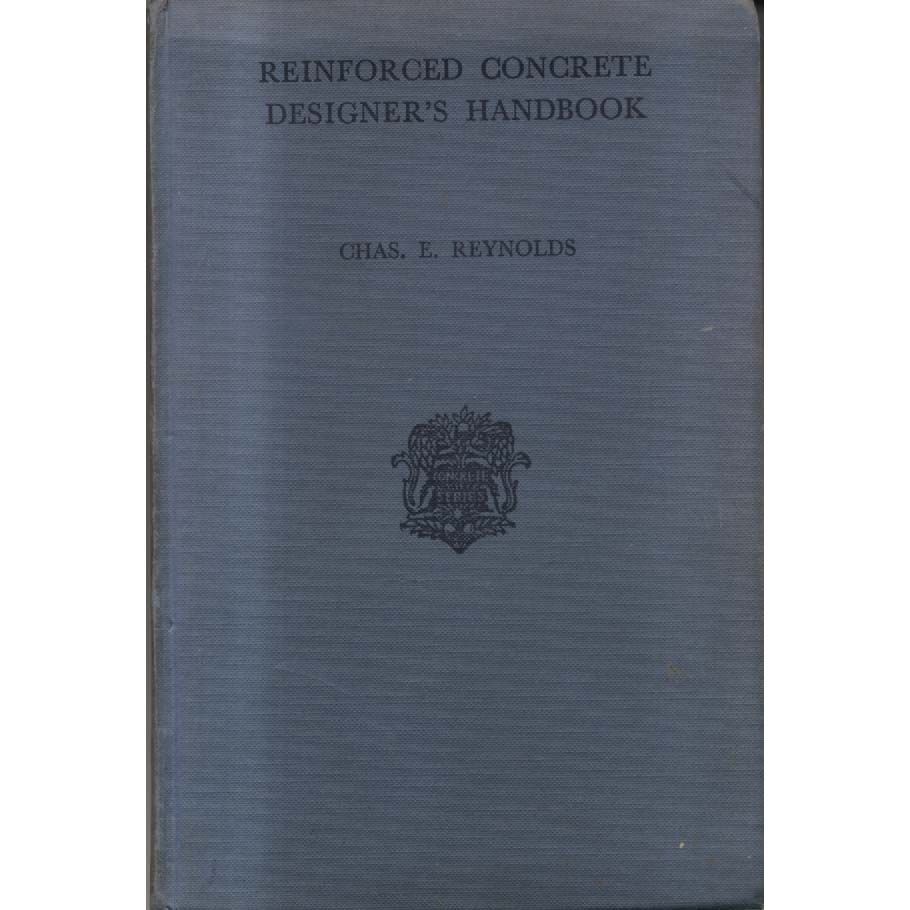
The "Reinforced Concrete Designers Handbook" by Chas E Reynolds is a fascinating relic from the mid-20th century, a period that marked significant advancements in civil engineering and construction practices. This handbook, published in 1957 by Concrete Publications Limited, serves as an essential reference for engineers and architects involved in the design and implementation of reinforced concrete structures. The cover design reflects the utilitarian approach of the era, featuring a straightforward, functional aesthetic that prioritises clarity over flair. The paperback format, characteristic of technical manuals of its time, gives it a well-thumbed, practical feel, suggesting that it was intended for frequent use rather than as a decorative item on a bookshelf.
Chas E Reynolds, the author, appears to be a somewhat obscure figure within the landscape of engineering literature. There is limited biographical information readily available about him, which makes it challenging to position him within the broader context of publishing history or engineering culture. However, the fact that he has authored a handbook on reinforced concrete suggests that he was likely a practitioner with a solid grasp of the technical challenges and innovations of his time. His work in this handbook indicates that he was engaged with the pressing need for reliable resources in the rapidly evolving field of construction during the post-war period, a time when the demand for infrastructure was surging.
The year 1957 was a pivotal time in both the UK and global contexts. Following World War II, there was an urgent need for reconstruction and development, particularly in urban areas. The use of reinforced concrete was particularly significant during this era, as it allowed for more durable and versatile structures. The book encapsulates the spirit of innovation and practicality that characterised the mid-century architectural movement, as engineers and builders sought to create robust solutions to meet the demands of a growing population. The manual reflects contemporary practices and the technical language of the time, which can feel archaic to modern readers but holds immense value for understanding the evolution of building techniques.
As a cultural object, the "Reinforced Concrete Designers Handbook" is emblematic of a specific moment in engineering literature. Its pages are filled with diagrams, technical specifications, and guidelines that would have been critical for professionals navigating the complexities of reinforced concrete design. The layout is functional, with a no-nonsense approach that prioritises information delivery over visual aesthetics. This is indicative of the era's emphasis on practicality in technical publications, which often catered to a readership that valued substance over style. The tactile quality of the paperback, with its slightly yellowed pages and the smell of old paper, transports readers back to a time when such manuals were indispensable tools for professionals in the field.
The relevance of the handbook extends beyond its technical content; it also serves as a snapshot of the societal values of the 1950s. The post-war boom saw a shift towards modernism, characterised by a belief in progress through technology and engineering. The emphasis on reinforced concrete as a building material during this time was not merely about creating buildings; it was about shaping the future of urban environments. The handbook plays a role in this narrative, acting as a guide for those who were at the forefront of this architectural evolution.
In conclusion, the "Reinforced Concrete Designers Handbook" by Chas E Reynolds stands as more than just a technical manual; it is a cultural artifact that encapsulates a transformative period in engineering and architecture. While the author remains largely in the shadows of history, his contributions through this handbook resonate within the context of mid-20th-century construction practices. For those interested in the intersections of literature, design, and engineering, this handbook offers a window into the past. Crappy Old Books provides a unique opportunity to appreciate such works that might otherwise be overlooked in favour of contemporary publications.