AI-assisted note, based on the text and a physical inspection of this copy.
"Britain's Racing Motor Cycles," by LR Higgins, is a peculiar artifact that encapsulates a specific moment in British automotive history, published in 1952 by GT Foulis. The book appears to be a celebration of the racing motorcycle culture that was burgeoning in post-war Britain, a time when the nation was keen to reclaim its place in the competitive world of motor sports. Despite its somewhat bland title, the book promises an exploration of the engineering marvels that defined the era, showcasing the intricate designs and speed of these machines that captured the imagination of enthusiasts and racers alike.
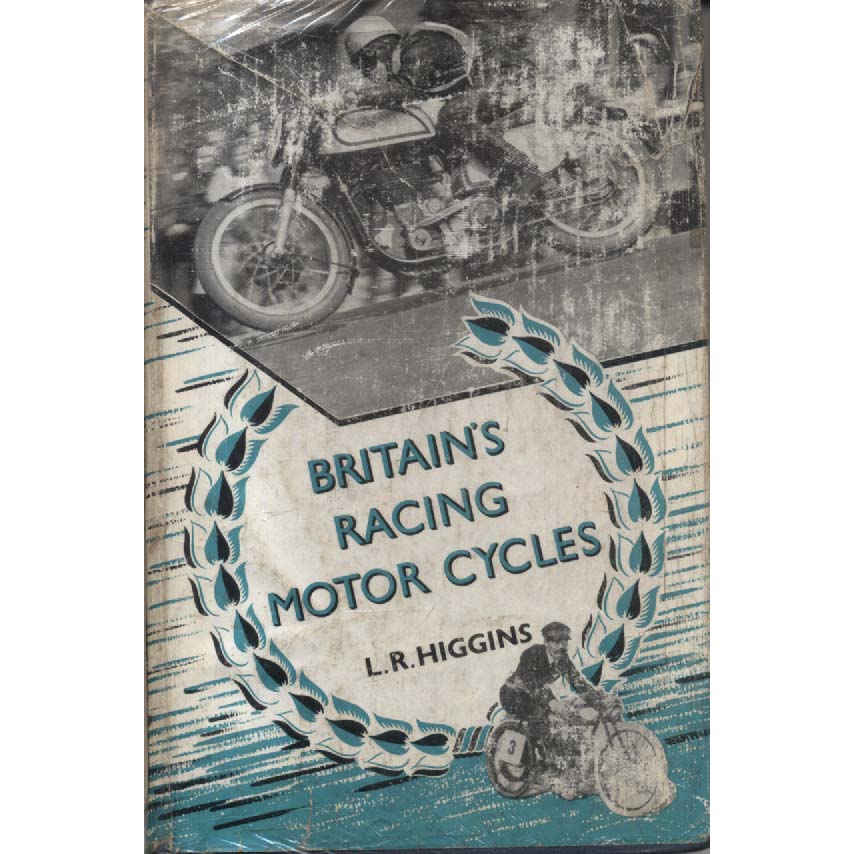
The cover design, typical of the period, features bold typography that seems to shout its subject matter from the shelf. The image of a sleek motorcycle racing forward is both thrilling and indicative of the era’s love for speed and innovation. The paperback feel is decidedly utilitarian, reflecting the practical nature of the content within. There’s an earnestness to the presentation, as if the book is aimed at a dedicated readership rather than the casual browser. One can almost picture it sitting on the shelves of a garage or workshop, covered in grease stains from hands eager to learn more about the machines they adore.
LR Higgins appears to be a somewhat obscure figure in the realm of motorcycle literature. There is little widely available information regarding his life or career, which adds a layer of intrigue to the publication. It’s possible that he was a passionate motorcyclist and writer, contributing to the niche of motorcycle culture during a time when such interests were gaining traction. His lack of extensive documentation suggests that he may not have reached the same level of recognition as other automotive writers, which makes "Britain's Racing Motor Cycles" an interesting find for those delving into the less-charted territories of motorcycle literature.
Published in 1952, the book emerges from a post-war Britain that was experiencing a renaissance in various forms of production and design. The immediate aftermath of the Second World War saw a nation striving to rebuild and redefine itself, and the motorcycle became a symbol of freedom and mobility. The 1950s were marked by a burgeoning youth culture, with motorcycles becoming associated with rebellion and a new lifestyle. This context undoubtedly influenced the book, as it was likely written for a readership eager to embrace the excitement and promise of this new era. As British manufacturers sought to innovate and compete on a global scale, publications like this one played a crucial role in documenting and promoting the advancements in motorcycle engineering.
The content within "Britain's Racing Motor Cycles" is as much a history lesson as it is a technical guide. It provides insights into the specifications, designs, and racing achievements of various motorcycle models, serving as a reference point for both enthusiasts and competitors. The book likely includes photographs and illustrations that complement the text, presenting a visual feast that would appeal to the eyes of racing aficionados. However, the style of writing may lack the flair or engagement that modern readers expect, reflecting a more straightforward, factual approach typical of the 1950s publishing scene.
Examining the cultural implications of this book reveals much about the societal attitudes towards motorcycling in mid-20th century Britain. Motorcycles were not merely seen as vehicles; they represented a lifestyle choice, a means of expressing individuality, and a connection to the rapidly evolving world of technology. The book’s publication aligns with an era where motor racing was becoming increasingly popular, with events and competitions drawing large crowds and sparking national pride. The excitement surrounding motorcycle racing would have resonated strongly with readers at the time, allowing them to delve deeper into a world that felt both exhilarating and accessible.
In terms of print culture, "Britain's Racing Motor Cycles" fits neatly into the mid-century trend of specialised publications that catered to niche interests. The choice of GT Foulis as a publisher is noteworthy, as the firm was known for its focus on automotive literature, particularly in motor racing and motorcycle history. This connection underlines the book’s authenticity and relevance within its specific genre, making it a significant contribution to the literature on British motorcycling.
In conclusion, "Britain's Racing Motor Cycles" by LR Higgins serves as a fascinating snapshot of a pivotal moment in British motorcycling history. Its straightforward design and earnest presentation reflect the era's spirit, while the author, shrouded in obscurity, adds an element of mystery to the publication. As readers engage with the book, they not only learn about the technical aspects of racing motorcycles but also immerse themselves in the cultural landscape of post-war Britain—a time when speed, innovation, and adventure were at the forefront of the national consciousness. For those interested in delving into the often overlooked corners of automotive literature, this title from Crappy Old Books stands as a testament to the passion and craftsmanship that defined an era.