AI-assisted note, based on the text and a physical inspection of this copy.
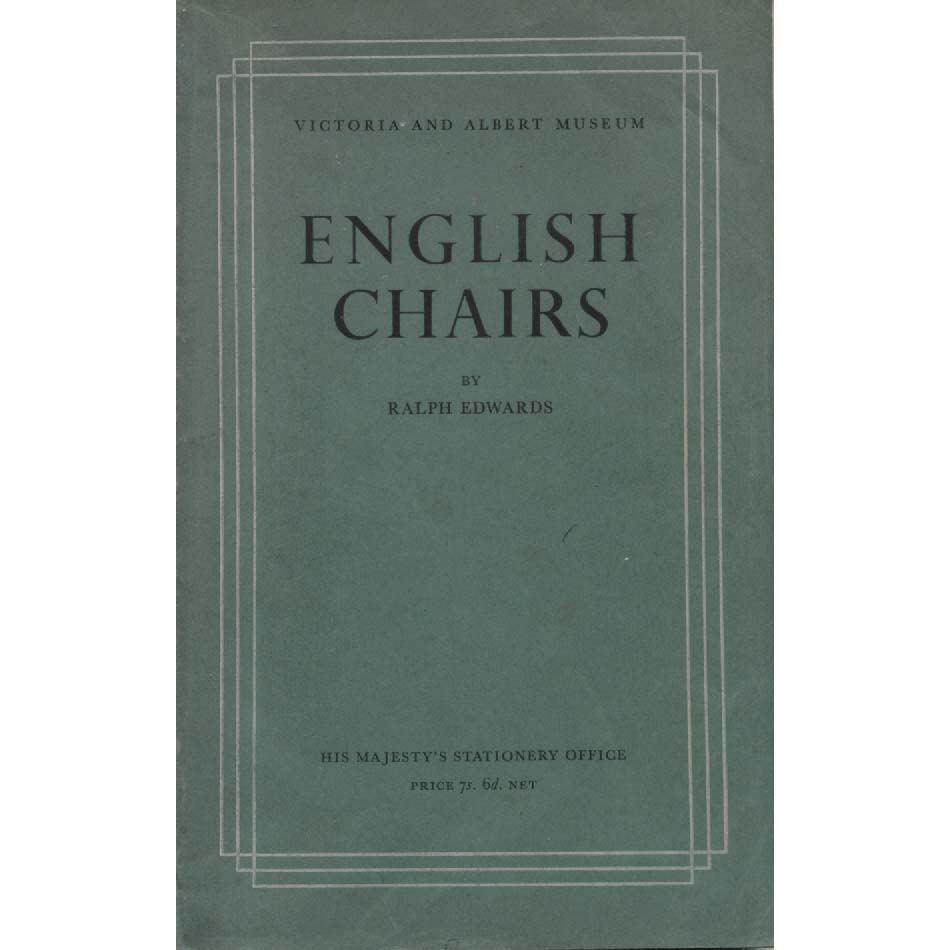
“English Chairs” is a curious cultural artifact that invites readers to sit back and ponder the evolution of furniture design in Britain. Published in 1950 by HMSO and associated with the prestigious Victoria and Albert Museum, this book takes the reader on a journey through the history of chairs in England, showcasing their aesthetic and functional developments over centuries. The cover design reflects the mid-20th century's inclination towards simplicity and clarity, featuring a clean layout that hints at the serious yet accessible tone of the content within. The paperback format adds a certain charm, reminiscent of educational art books of the era, making it both a collectible and a piece of cultural history in its own right.
The text is filled with illustrations and photographs that highlight various styles and periods, creating a visual feast for enthusiasts of design and history alike. The layout, though simple, is effective in drawing attention to the intricate details of the chairs featured. This attention to visual detail aligns well with the post-war British cultural landscape, where design and functionality began to blend in new, innovative ways, reflecting societal shifts towards modernity and practicality in everyday life.
Published in 1950, “English Chairs” arrived at a pivotal moment in British culture. The aftermath of World War II had left the nation grappling with a desire for revival and reconstruction, not just in architecture but in all aspects of life, including domestic spaces. Furniture design was increasingly viewed through the lens of utility and comfort, as people sought to rebuild their lives and homes. The book encapsulates this zeitgeist, celebrating traditional craftsmanship while also hinting at the modernist influences that were beginning to permeate British design. The choices made in the selection of chairs reflect a broader cultural appreciation for both heritage and innovation, making the book a snapshot of its time.
The authorial credit goes to the Victoria and Albert Museum, a renowned institution dedicated to art and design, which lends the book a weighty credibility. The museum has long been a custodian of British decorative arts and has played a significant role in educating the public about the importance of design history. However, the absence of a singular author may present a challenge for readers seeking a personal narrative or a specific point of view. Instead, the book appears to be a collaborative effort, showcasing the museum's curatorial expertise rather than the voice of a single author. This could suggest a deliberate choice to present a collective vision of British chair design, although it does leave the authorship somewhat obscured and the narrative thread less personal.
As for the authorial background, the lack of detailed documentation on the specific contributors or curators involved in this publication leaves one speculating about their identities and expertise. It is evident that the Victoria and Albert Museum has a rich history, yet individual contributors to this particular work remain elusive. This anonymity could be seen as a reflection of the collaborative nature of museum publications, where the collective effort often overshadows individual contributions, creating a sense of shared cultural heritage rather than focusing on personal achievement.
In terms of print culture, the 1950s were a transformative period for publishing, especially in Britain. The post-war era saw an increase in the production of educational materials and art books, as institutions like the Victoria and Albert Museum aimed to make art and design more accessible to the public. “English Chairs” fits neatly into this context, serving not only as a resource for the design aficionado but also as an educational tool for those looking to understand the significance of furniture in British history. The book's relatively modest publication by HMSO, a government publisher, further underscores its role in disseminating knowledge and fostering a cultural appreciation for the arts.
The book's content is engaging and informative, with a systematic approach to categorising various styles of chairs, from the intricacies of the medieval period to the elegance of Regency designs. Each section provides insights into the cultural and historical significance of the furniture, making it an enlightening read for anyone interested in design history. However, one could argue that the book's academic tone might deter casual readers, as it sometimes leans heavily on technical terminology and historical context that may not resonate with the uninitiated.
Ultimately, “English Chairs” stands as a testament to the enduring importance of furniture design within the broader narrative of British culture. It encapsulates a moment when the appreciation for craftsmanship and historical context was gaining momentum, a trend that would continue to evolve in subsequent decades. The book serves as both a reference and an invitation to explore the world of design, providing a glimpse into how chairs have been more than mere objects; they are reflections of societal values, technological advancements, and artistic expression.
In conclusion, “English Chairs” is a substantial contribution to the understanding of furniture design in Britain, though it may not appeal to all readers due to its academic tone and lack of a singular narrative voice. Yet, it remains a valuable resource for those willing to delve into the rich history of British chairs, offering insights that resonate beyond the pages. As with many titles featured in Crappy Old Books, this work prompts us to consider the cultural implications of what we often take for granted in our daily lives.