


Talking About The Cinema
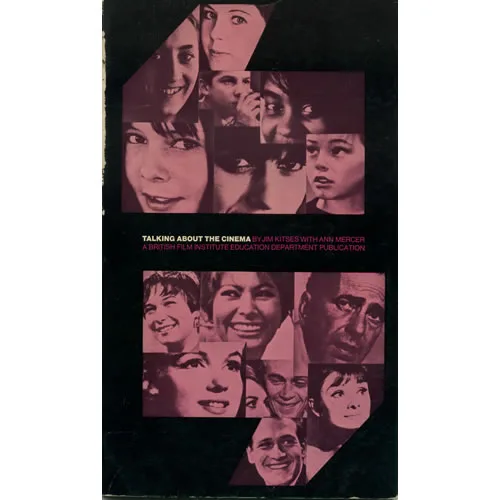
Publisher: british Film Institution
ISBN: none
In a world where everyone has an opinion on cinema—often loudly expressed over a pint—Jim Kitses dares to take a magnifying glass to the big screen’s many facets with his 1966 tome, "Talking About The Cinema." Published by the British Film Institution, this book promises a delightful romp through the celluloid jungle, where critics and cinema buffs alike can indulge in their favourite pastime: pontificating. With a title that sounds suspiciously like a directive rather than a suggestion, one wonders whether the book itself is chock-full of arguments, rants, and musings that will leave you either nodding in fervent agreement or vehemently shaking your head in disbelief.
Set against the backdrop of a swinging sixties Britain, this literary treasure seems to embody the spirit of the age: people discussing everything from the latest Bond film to the merits of art cinema while donning their grooviest attire. If one can imagine the mumbled discussions in smoke-filled rooms, overflowing with half-drunk cups of tea and overcooked biscuits, "Talking About The Cinema" may just be the book that captures that very essence. Who needs action-packed thrillers when you can immerse yourself in a slow-burning exploration of the cinematic experience?
But let’s not be fooled into thinking this is merely a collection of opinions. Oh no, dear reader! Kitses has taken it upon himself to dissect the film industry with the precision of a surgical scalpel wielded by a caffeinated critic. His prose dances across the page like a particularly enthusiastic film student trying to make sense of their existential crisis in a darkened room. Be prepared for wordy analysis that ranges from insightful to utterly bewildering, leaving you questioning not just cinema, but possibly your life choices.
For those with an insatiable thirst for film theory, this book offers a buffet of tantalisingly eclectic topics, including:
- The subtle art of deciphering a director’s hidden intentions
- The paradox of blockbusters vs. independent films
- The importance of soundtrack choices in creating emotional impact
- A deep dive into the cinematic language that can make or break a movie
- An exploration of the misfit actors who became icons by sheer accident
As you delicately flip through the brittle pages—each one whispering sweet nothings of nostalgia—prepare to grapple with the peculiar notion that perhaps, just perhaps, everyone’s a critic. If you’ve ever found yourself in a heated debate over the merits of a Technicolor classic versus a gritty black-and-white masterpiece, this book could serve as both a kindred spirit and a clarion call to arms in the ongoing battle of taste.
Condition: Used, but not in the way you’d expect from a relic of the past. The pages are yellowed, like they’ve been sipping tea for far too long, and there’s a charmingly haphazard collection of underlined quotes that suggest previous readers were either entranced by Kitses’ wit or trying to convince themselves they understood the metaphors. It may have a slightly musty scent that evokes memories of long-lost cinemas, while the cover, adorned with retro typography, could ignite fond recollections of film posters from an era you might not have actually lived through.
In a world overflowing with superficial film critiques, "Talking About The Cinema" stands as a robust homage to the art form, challenging readers to engage—not just with the pages before them, but with the very essence of cinema itself. So grab yourself a copy from Crappy Old Books, and prepare to engage in spirited discussions with friends—or perhaps just your cat, who will undoubtedly have its own strong opinions on the subject. After all, in the cinema of life, who isn’t a critic? Enjoy the ride!
Keep browsing: See more Film books Other books by Jim Kitses
