


Anthropology A Human Science
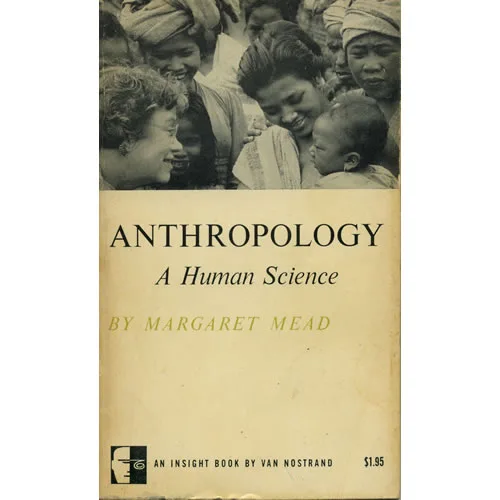
Publisher: An Insight Book
ISBN: none
Step right up, dear reader, and behold "Anthropology: A Human Science," a tome that dares to peel back the layers of our quirky, baffling existence. Authored by none other than the illustrious Margaret Mead—who, rumor has it, conversed with spirits of generations gone by while sipping herbal tea in her cozy armchair—this enlightening volume promises to whisk you away on a journey through the eccentricities of human behavior. If you’ve ever wondered why people insist on wearing socks with sandals, or why your neighbour speaks to their houseplants as if they were long-lost friends, this book may hold some answers. Or at least some amusing anecdotes.
Published in the groovy year of 1964, when bell-bottoms reigned supreme and everyone was too busy dancing to question the meaning of life, this Insight Book is perhaps as much a reflection of the era as it is a study of humanity. With a slight whiff of smoke and mirrors, Mead attempts to untangle the complex web of social interactions that make us who we are—if only she had included a detailed guide on how to avoid awkward small talk at parties, we’d be eternally grateful.
Prepare to encounter the joys and absurdities of kinship, culture, and the inexplicable need for everyone to post their lunch on social media. Mead’s anthropological insights, wrapped in a delightful layer of 1960s nostalgia, will leave you pondering the age-old question: What on earth are we all doing here? The answer is likely buried somewhere between the pages, hidden beneath a mountain of outdated references and peculiar observations about our species that are just outlandish enough to make you chuckle.
Now, let’s talk about the physical form of this masterwork. The cover, though slightly worn from being lovingly thumbed through by eager hands, retains a certain charm reminiscent of a bygone era. The pages are yellowed, offering the irresistible scent of time itself—like a fine cheese, if you will, but without the potential for food poisoning. This book also features a delightfully unhelpful index; the kind that leaves you asking, “Did I really just spend ten minutes searching for the word ‘culture’ only to find it under ‘c’ for ‘confounding’?”
Condition: Used but not in a scary way. It bears the charming scars of its journey through the world—dog-eared pages, hastily scribbled notes in the margins (we can only assume they’re profound thoughts), and a strange coffee ring that seems to suggest someone took their research a bit too literally. Still, this adds character, doesn’t it? Just think of it as an anthropological artifact in itself, a snapshot of a reader grappling with the complexities of life over a cup of something vaguely caffeinated.
But wait, there’s more! As you delve into the depths of Mead’s musings, you may find yourself pondering the structural integrity of your own existence, as well as the mysteries of why your cat refuses to acknowledge your existence half the time. This book doesn’t just serve as a portal into the minds of our predecessors; it also acts as a lens through which you can scrutinize your own peculiarities and perhaps come to terms with the fact that you, too, may be a curious specimen in this grand theatre of life.
In conclusion, if you’re in the mood for a sociological jaunt that sometimes feels like a stroll through an overgrown garden of ideas—where you might trip over a rogue tomato plant or two—then "Anthropology: A Human Science" is your ticket to an evening well spent. Gather your friends, pop some popcorn, and prepare for a book club meeting that may or may not devolve into a debate about the existential dread of living in a world where humans have the audacity to create a book on humans. And remember, this delightful specimen is available for your reading pleasure at Crappy Old Books, where every purchase comes with the distinct thrill of second-hand adventure.
Keep browsing: See more Academic books Other books by Margaret Mead
