


The House Of Mirth
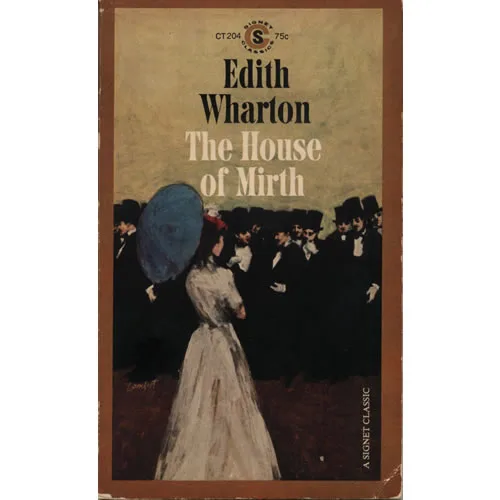
Publisher: Signet Classics
ISBN: none
Step right up and prepare to enter a world where the tea is lukewarm, the social climbers are equipped with stilettos, and the moral compass has gone slightly askew! Edith Wharton’s “The House of Mirth,” a title that sounds like a quaint yet sinister carnival attraction, unfurls a tale of high society in the early 20th century that could only be described as a less cheerful “Gossip Girl” for the Edwardians. This particular edition, lovingly bestowed upon us by the venerable Signet Classics in 1964, is a veritable time capsule filled with the rich aroma of faded ink and the potential for literary regret.
In this splendidly ironic narrative, we meet Lily Bart, a young woman navigating the treacherous waters of New York’s elite society, where one wrong move could lead to social ruin—or perhaps even worse, a botched tea party. As Lily flits from cocktail to cocktail, she contends with a plethora of societal expectations, thwarted romantic prospects, and an uncanny ability to attract the wrong kind of attention, like a moth to a flame, or perhaps more aptly, a socialite to a scandal.
Wharton deftly examines the constricting corset of societal norms, showcasing how the glittering facade of wealth and prestige can mask a far darker reality. One might wonder if Lily’s primary adversary is the rigid upper crust of society or her own penchant for lavish hats that seem to consume her entire paycheck. Spoiler alert: it’s likely both. The tension builds as we witness Lily’s stylish descent into disarray, as she discovers that a well-placed bon mot can only save one for so long.
Expect delightful forays into the world of conspicuous consumption, where the characters seem to possess more wealth than sense, and where every dinner party is an opportunity for covert espionage and ulterior motives. It is a veritable banquet of betrayal, self-deception, and the faintest whisper of a good old-fashioned tragedy looming on the horizon. You may find yourself clutching your pearls at the audacity of it all, or perhaps, just perhaps, giggling at the absurdity of a society that prizes reputation over genuine connection.
And what a cast of characters we have! From the cynical socialites who hoard their gossip like dragon hoards gold, to the hapless gentlemen who can barely muster enough charm to ask for a second serving of pudding. Each one is more eccentric than the last, leaving you to wonder how they all manage to coexist without a daily dose of irony-infused herbal tea. As you delve deeper into the narrative, prepare for a burgeoning awareness of social dynamics that could make your head spin faster than a carousel full of over-caffeinated debutantes.
Condition: A veritable relic of a bygone era, this used copy of “The House of Mirth” has seen better days. Its pages are slightly yellowed, perhaps due to the weight of its own profound insights, and it has more creases than a seasoned socialite’s favorite evening gown. The cover, while still holding its dignity, bears the scuffs of countless curious hands that have dared to open this tome of societal exploration. It is a testament to the lives it has touched and the readers who have pondered its themes of longing, failure, and the ever-elusive pursuit of happiness.
So, if you’re in the mood for a literary rollercoaster that navigates the precarious balance between wealth and worth, don’t let this opportunity pass you by. “The House of Mirth” promises to wrap you in its rich tapestry of irony while keeping your moral compass tantalizingly off-kilter. Be sure to grab your copy from Crappy Old Books, where the pages may be worn, but the wisdom is sheer gold.
By the end, you might just find yourself questioning whether the true house of mirth isn’t among the glittering chandeliers and lavish parties, but rather amongst the dog-eared pages of a second-hand book that tells the story of those who dared to dream, falter, and, in most cases, dramatically drop the ball.
Keep browsing: See more Fiction books Other books by Edith Wharton
