The Liberation Of Mankind
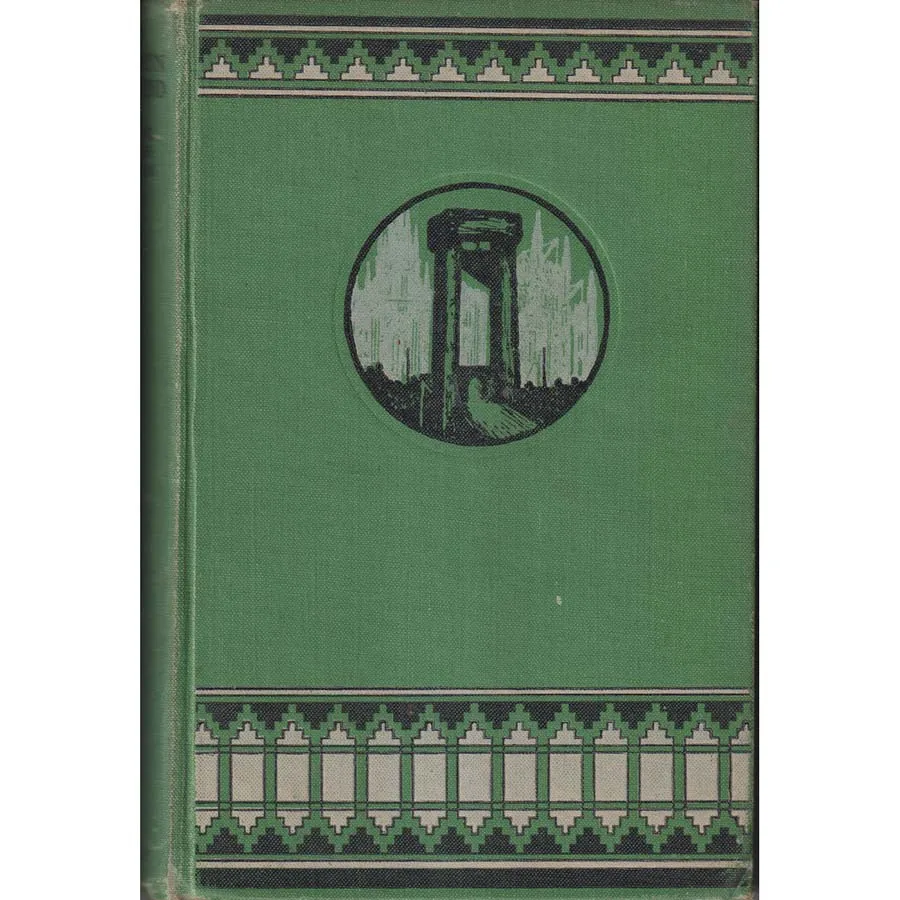
Publisher: George G Harrap and Co
Format: Hardback
ISBN: none
Humanity has made some extraordinary advances over the centuries. We have invented writing, developed science, constructed magnificent civilisations and discovered increasingly sophisticated ways of making life more comfortable. Unfortunately, we have also demonstrated a remarkable enthusiasm for imprisoning, torturing and occasionally burning alive anyone who suggests that our most cherished beliefs might be wrong. Hendrik Willem van Loon thought this was a rather unfortunate arrangement.
The Liberation of Mankind: The Story of Man’s Struggle for the Right to Think (1947), by Hendrik Willem van Loon and published by George G. Harrap & Co., is a wonderfully spirited exploration of humanity’s long, frequently bloody and occasionally absurd struggle for intellectual freedom.
Originally published in 1926, the book examines the extraordinary difficulties encountered by individuals who dared to think independently in societies where religious authorities, political rulers and respectable opinion had already decided precisely what everybody was permitted to believe.
Van Loon, the celebrated Dutch-American historian and author of The Story of Mankind, approaches this enormous subject with his characteristic mixture of historical knowledge, lively storytelling and a refreshing intolerance of intolerance.
His narrative moves through centuries of religious persecution, philosophical rebellion and intellectual controversy, encountering figures such as Socrates, Erasmus, Spinoza and Voltaire, among many others who discovered that independent thought could be an exceptionally dangerous occupation.
The history of civilisation, it turns out, is filled with people who announced that they possessed the absolute truth, established elaborate institutions to defend it and then became extremely unpleasant towards anyone requesting a little supporting evidence.
Religious disputes provide particularly fertile territory. Entire communities were persecuted over theological distinctions so complicated that modern readers may struggle to understand what everybody was arguing about, let alone why the disagreements required imprisonment, exile or execution.
Van Loon exposes the extraordinary contradictions of societies that proclaimed spiritual enlightenment while enthusiastically suppressing intellectual inquiry. His sympathies lie firmly with those who challenged established authority and insisted upon the right to investigate the world for themselves.
The result is not a dry academic history but a lively, provocative and occasionally mischievous examination of human progress, revealing how slowly tolerance emerged and how frequently civilisation appeared determined to reverse the achievement.
Published in 1947, shortly after the Second World War, this edition possesses particular historical resonance. Europe had just witnessed the catastrophic consequences of political fanaticism and ideological persecution, making van Loon’s defence of freedom of thought especially relevant.
Condition: Good. This 1947 George G. Harrap & Co. edition is a previously owned vintage volume showing ordinary signs of age, reading and handling, but remains an appealing historical survivor.
Offered by Crappy Old Books, where we enthusiastically support independent thinking, freedom of expression and the right to disagree with almost everybody, although we would prefer customers not to exercise these liberties by disputing our postage charges.
No ISBN, naturally. In 1947, books were still permitted to exist without thirteen-digit identification numbers.
A fascinating historical work for readers interested in philosophy, religion, intellectual freedom and humanity’s extraordinary ability to turn differences of opinion into international catastrophes.
Proof that thinking for oneself is a wonderful achievement, provided nobody decides to execute you for it.
Keep browsing: See more Academic books Other books by Hendrik Willem Van Loon