


The Classic Indian Motorcycle
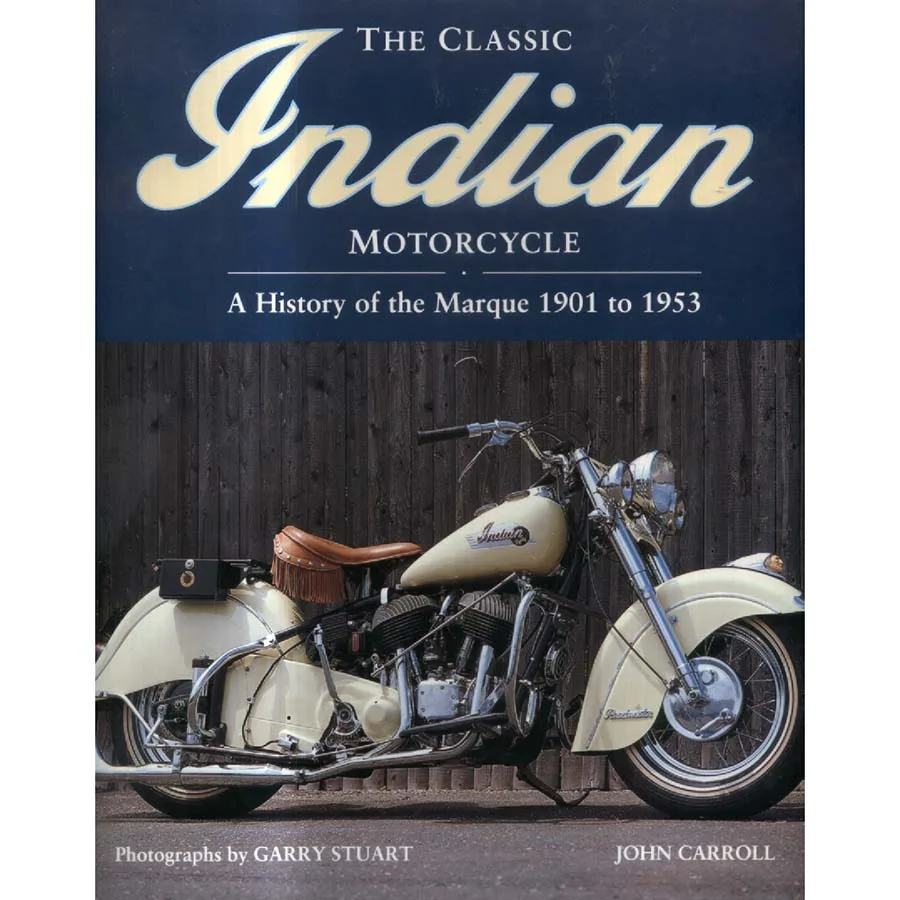
Publisher: Greenwich Editions
Format: Hardback
ISBN: 9780862882426
There are motorcycles, there are magnificent motorcycles, and then there are Indian motorcycles, glorious American contraptions from an age when chrome was plentiful, engines were enormous and the prospect of travelling several hundred miles with nothing between oneself and the scenery was considered a splendid way to spend a weekend. Long before motorcycles became fashion accessories for prosperous gentlemen experiencing a sudden enthusiasm for leather trousers, Indian was producing some of the finest two-wheeled machinery in the world.
In The Classic Indian Motorcycle (1996), John Carroll celebrates one of the most distinctive and historically important names in American motorcycling. Published by Greenwich Editions, this illustrated tribute explores the engineering, character and extraordinary appeal of the motorcycles that helped establish Indian as a genuine legend of the open road.
Founded in Springfield, Massachusetts, in 1901, Indian quickly became one of America’s pioneering motorcycle manufacturers, developing machines that combined mechanical innovation with impressive performance and unmistakable styling. At a time when the motorcycle was still a relatively novel invention, Indian was already demonstrating that two wheels and a powerful engine could provide an exhilarating alternative to the horse, although the horse was generally less demanding when it came to spark plugs.
Among the marque’s most celebrated creations were the legendary Scout and Chief, machines whose distinctive lines, commanding presence and engineering sophistication made them objects of considerable admiration. The great Indian motorcycles were not merely transport; they were statements of mechanical confidence, built for riders who preferred their machinery to possess genuine character and were prepared to accept the occasional inconvenience that character inevitably involved.
Indian motorcycles achieved success in competition, served police and military organisations, and became closely associated with the romantic image of American motorcycling. Their sweeping mudguards, polished metalwork and powerful engines helped create a visual identity that remains instantly recognisable, even among people whose practical motorcycling experience extends no further than watching somebody else attempt to start a vintage machine.
Carroll’s book offers an affectionate appreciation of these remarkable motorcycles, capturing the appeal of an era when engineering, craftsmanship and distinctive styling mattered rather more than electronic riding modes or the ability to connect one’s telephone to the dashboard.
The original Indian company’s eventual demise in 1953 only added to the legend. Apparently, producing beautiful motorcycles, winning admirers and establishing an enduring reputation were not quite sufficient to guarantee commercial survival. It was a familiar chapter in the history of ambitious engineering enterprises, where mechanical brilliance occasionally encountered the rather less romantic realities of accounting.
Condition: Very Good. This is a previously owned copy dating from 1996, displaying only modest signs of age and handling. Unlike an original Indian motorcycle, it should require neither a specialist restoration workshop nor a substantial financial commitment before being enjoyed.
Published by Greenwich Editions in 1996. ISBN: 9780862882426.
Offered by Crappy Old Books, where we admire the romance of vintage motorcycles, particularly when ownership does not involve oil leaks, seized components or explaining to the neighbours why an engine must be started at seven o’clock on a Sunday morning.
A splendid addition to any collection of classic motorcycle literature, American motoring history or vintage engineering. Particularly recommended for enthusiasts who appreciate that Indian was a legendary motorcycle name long before expensive leather jackets and weekend rides to fashionable cafés became essential elements of the motorcycling experience.
Keep browsing: See more Transport books Other books by John Carroll
