


The Noir Style
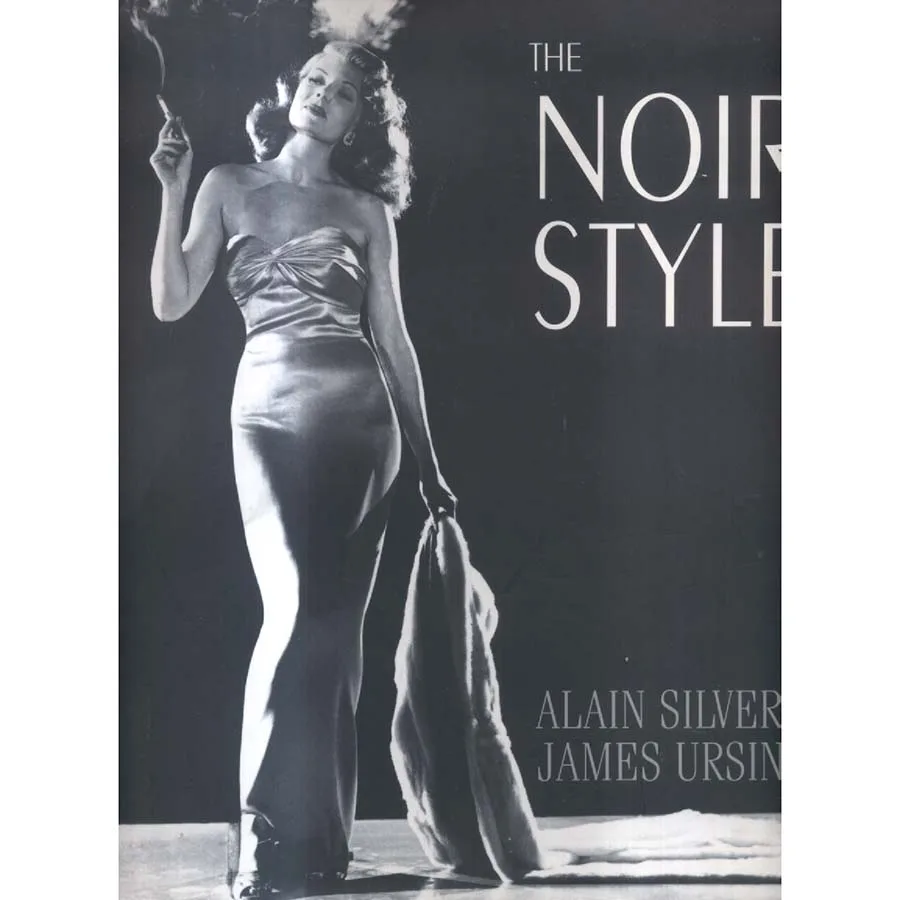
Publisher: Aurum Press
Format: Hardback
ISBN: 9781854106650
There are books about films, and then there are books about the way films look—the shadows that seem to have their own agenda, the cigarette smoke curling through a beam of light as though it has rehearsed the scene, and the detective who somehow manages to wear a trench coat indoors without anyone questioning it. The Noir Style by Alain Silver and James Ursini is a sumptuous celebration of one of cinema’s most enduring visual languages, where even a streetlamp appears to be withholding vital information.
Rather than simply cataloguing famous films, this richly illustrated volume explores the distinctive style that made film noir so unforgettable. It examines the dramatic lighting, striking compositions, costume, architecture and visual storytelling that transformed ordinary city streets into places where danger seemed permanently booked in for the evening. Suddenly, a rain-soaked alleyway becomes art, Venetian blinds become existential philosophy, and every staircase appears to lead directly into moral ambiguity.
The irony is delicious. Film noir is famous for depicting corruption, betrayal and despair, yet it manages to make all three look astonishingly elegant. Only noir could convince audiences that insomnia, chain-smoking, questionable life choices and a profound distrust of humanity are somehow incredibly stylish. One suspects the heroes would have lived considerably longer had they occasionally switched the lights on.
Silver and Ursini are among the foremost authorities on film noir, and their enthusiasm shines through every page. Packed with superb stills, production photographs and thoughtful commentary, the book demonstrates how directors, cinematographers and designers created an entire cinematic vocabulary from shadows, contrast and carefully placed pools of light. It is a reminder that some of cinema’s greatest performances were delivered not by actors, but by lighting technicians.
What makes The Noir Style especially rewarding is that it encourages readers to look more closely. After spending time with this book, you’ll never watch a classic crime film in quite the same way again. You’ll start noticing reflections in windows, the deliberate positioning of characters, the geometry of staircases and the suspicious number of ceiling fans turning slowly in emotionally complicated rooms. Noir, it turns out, is less a genre than a state of permanent atmospheric excellence.
There is also a wonderful paradox at the heart of the movement. Many of these films were produced quickly, on modest budgets, often without anyone imagining they would become classics. Decades later, they are studied frame by frame, their visual techniques admired by filmmakers around the world. It seems that the fastest route to cinematic immortality may simply involve photographing everything as though it has just started raining.
Published by Aurum Press in 1999, this handsome volume arrived just as renewed appreciation for classic noir was reaching full strength. It bridges Hollywood history, photography, design and cultural criticism, making it equally appealing to film enthusiasts, students of visual art and anyone who has ever wondered why black-and-white films somehow contain more shades of grey than modern life itself.
And then there is the unavoidable truth that noir has influenced almost everything that followed. Contemporary thrillers, detective dramas, graphic novels and even advertising continue to borrow its visual tricks. Somewhere, at this very moment, a director is almost certainly asking for "more shadows" without fully appreciating the debt owed to the films celebrated in these pages.
This Good condition copy, offered by Crappy Old Books, has acquired just enough character to feel appropriately noir itself. It bears the honest signs of careful reading while remaining an excellent copy for film lovers and collectors alike. No private investigators have left cryptic notes in the margins, no femme fatales are concealed between the pages, and thankfully the only mystery you’ll face is deciding which classic noir masterpiece to watch immediately after finishing the book.
Keep browsing: See more Film books Other books by Alain Silver and James Ursini
